A hilltop village, far from the sea
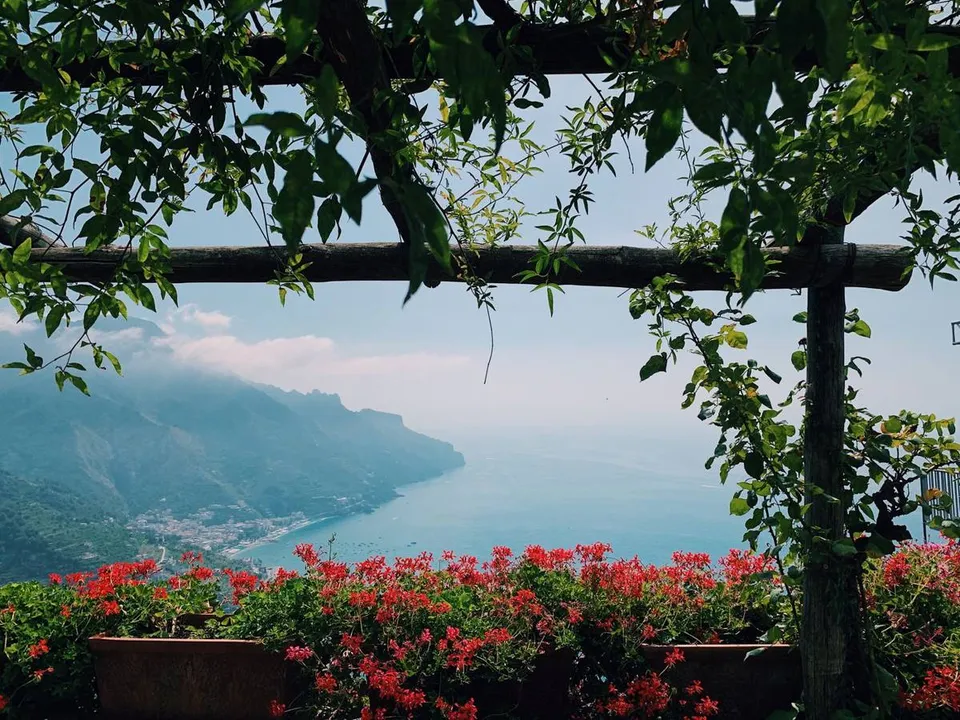
Tradition holds that Ravello was founded when groups of inhabitants, fleeing the turmoil of the early Middle Ages, sought shelter on the heights above the coast. Even without dating its origins precisely, the choice of site says a great deal: a defensible position, beyond the reach of pirates and dominating the gulf.
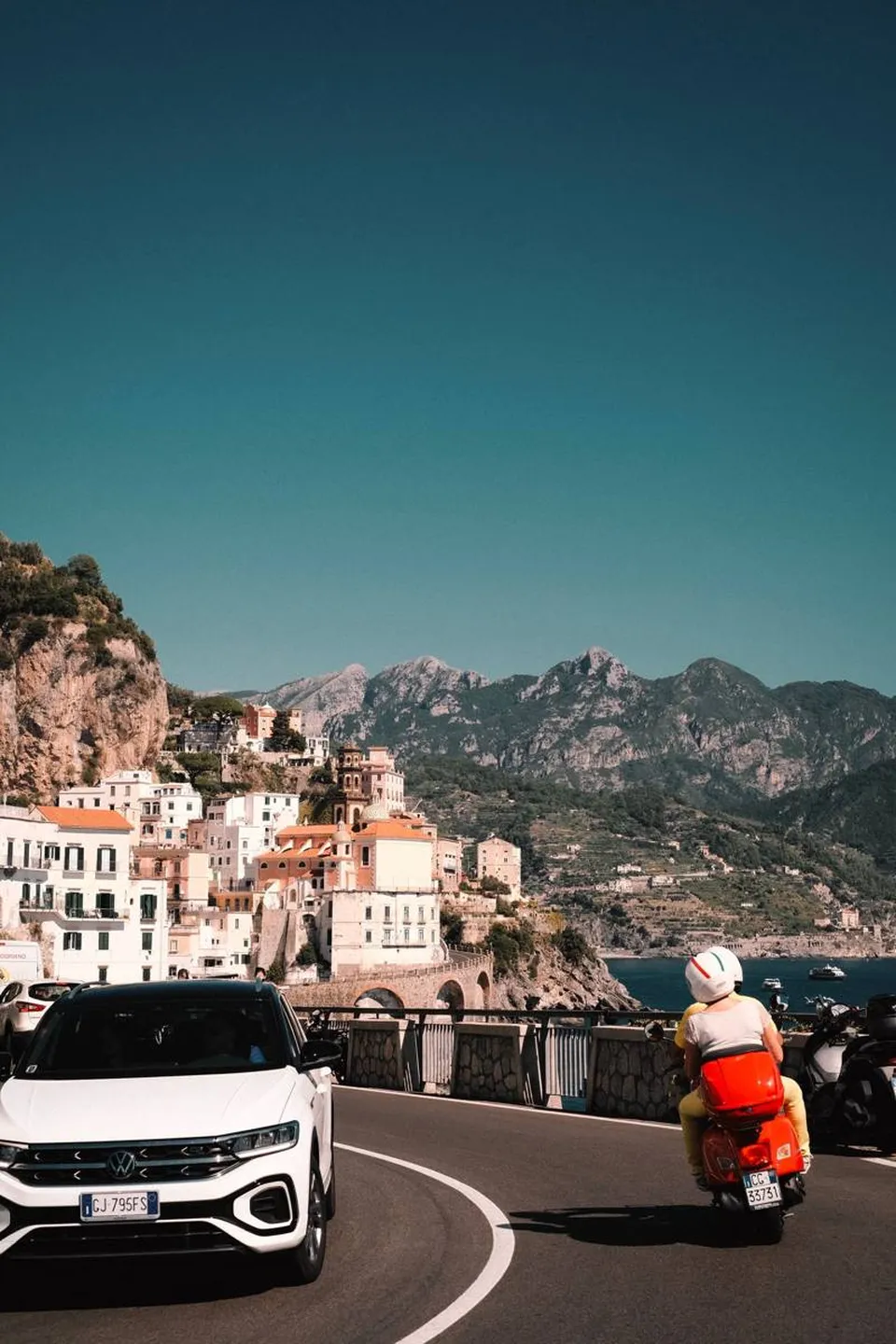
That is the first key to understanding the town. Ravello never had beaches or a port: the sea lies below, at Minori and Amalfi, and for centuries it was a horizon to look at and to reach on foot, along stairways and paths.
Inside the Republic of Amalfi
During the period of greatest prosperity of the Maritime Republic of Amalfi, Ravello was an integral part of it. While Amalfi traded across the Mediterranean, wealthy merchant families flourished on the heights, living in close contact with the port and sharing its relations, taste, and ambitions.
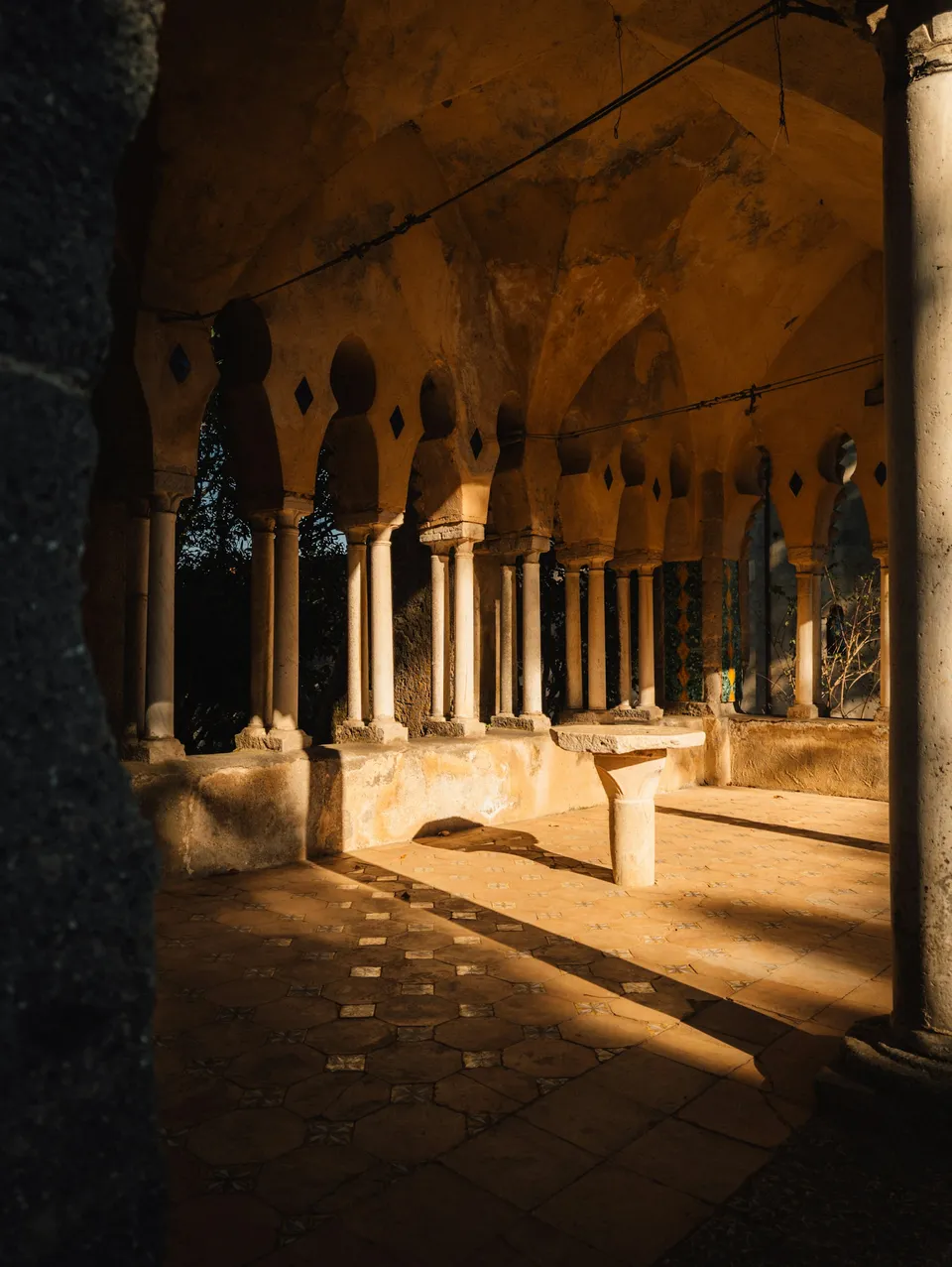
This wealth had a concrete reflection: palaces, churches, and representative residences, often with Arab-Sicilian and Byzantine influences, the result of trade with the East and with southern Italy.
The Duomo and the episcopal seat
A decisive step was the founding of the Duomo in 1086, when Ravello became an episcopal seat. For a hilltop village, this meant religious autonomy and a prestige that few centers on the coast could claim.
From this golden age, two works still visited today remain: the bronze door by Barisano da Trani and the mosaic ambo. They are the clearest testimony to how cultured local patrons were, and how willing they were to invest in prominent artists.
The 13th century of the Rufolo family
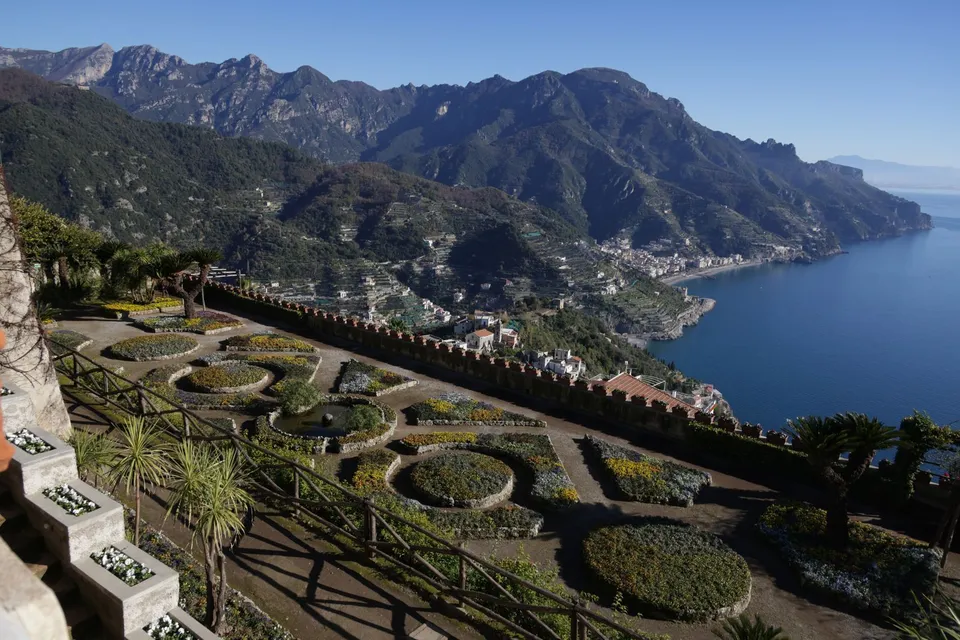
In the 13th century Ravello was living one of its finest moments, and at the center of the scene was the Rufolo family, wealthy merchants. It was this dynasty that gave rise to Villa Rufolo, the complex with gardens and a belvedere that remains one of the town’s symbols.
The Rufolo name has also reached literature: Boccaccio, in the Decameron, sets in Ravello the tale of the merchant Landolfo Rufolo, who loses and regains his fortune at sea. A fictional story, but one that shows how well known the town’s commercial fame had become beyond the coast.
Decline and long quiet
With the end of Amalfi’s independence and the changing trade routes, Ravello too lost influence. The great families weakened, the representative residences were neglected, and the village withdrew into a more intimate dimension, tied to agriculture and the life of the terraces.
This long quiet had a paradoxical effect: the town was not transformed by major rebuilding. For this reason, medieval structures, layered and adapted over time, can still be found today alongside a compact, pedestrian-friendly urban fabric.
The 19th century: the rediscovery by travelers
From the mid-19th century, Ravello again drew the attention of scholars, artists, and travelers crossing the South in the footsteps of the Grand Tour and the later romantic journey. They sought ruins, light, and silence, and found them in a suspended village, free from clamor.
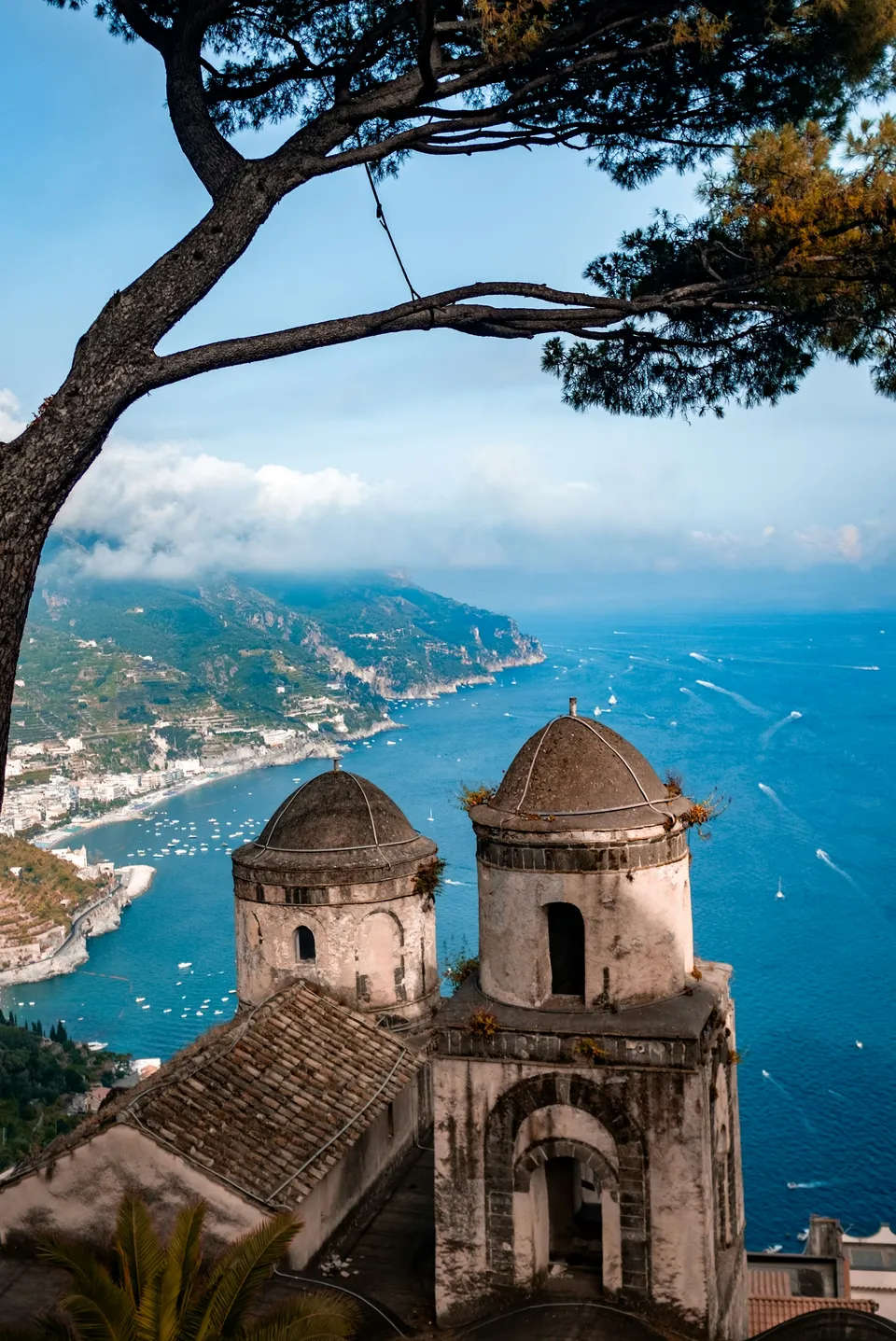
In those years Villa Rufolo passed to a wealthy Scotsman, Francis Nevile Reid, who restored it and its gardens. In 1880 Richard Wagner stayed there: before those terraces he found the inspiration for the garden of Klingsor in Parsifal. Since then, the bond between Ravello and music has never been broken.
From the 20th century to today
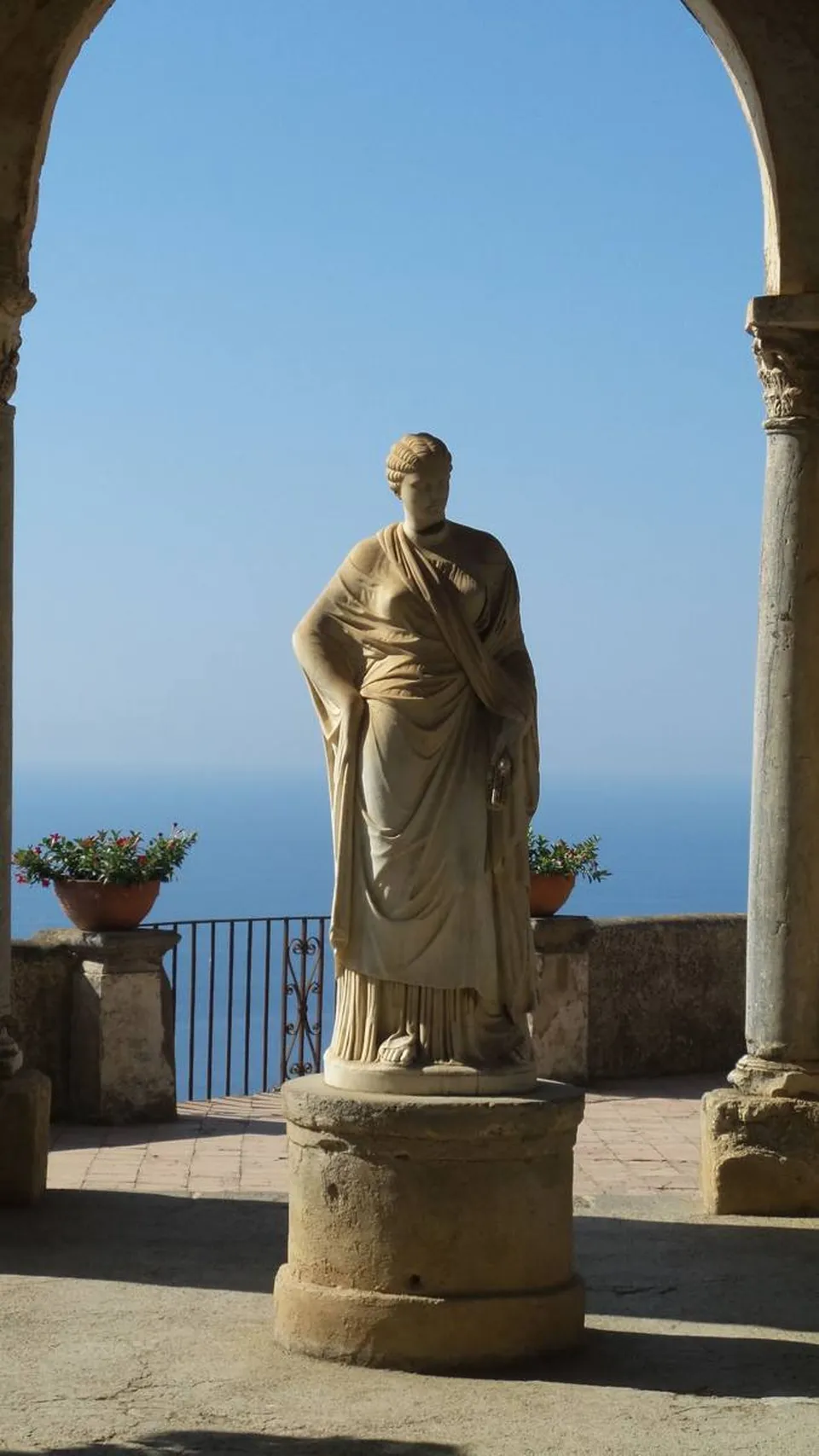
At the beginning of the 20th century Villa Cimbrone was reshaped by the Englishman Ernest William Beckett, who gave it the garden layout we know, with the Viale dell'Immenso and the Terrazza dell'Infinito. The town became a favored refuge for artists and writers, drawn by its quiet and its views.
This cultural vocation continued with the Ravello Festival, which brings summer concerts to the suspended stage in the belvedere of Villa Rufolo, and with the Auditorium designed by Oscar Niemeyer, a sign of a town capable of combining memory and contemporaneity.
Reading history on foot
The best way to feel Ravello’s history is to move slowly. The center is pedestrian, and the stairway paths leading down to Minori, Atrani, and Amalfi, passing through the hamlet of Torello, retrace the connections that linked the village to the sea for centuries.
Opening hours for villas and monuments, accessibility of the paths, and bus connections from Amalfi may vary: it is best to check official channels before visiting.
Frequently asked questions
What relationship did Ravello have with the Republic of Amalfi?
Ravello was part of the Amalfi world and shared its trade and culture. While Amalfi traded by sea, merchant families and strong artistic and religious patronage flourished in the hilltop village.
Why is Wagner linked to Ravello?
In 1880 Richard Wagner stayed at Villa Rufolo and found inspiration in its gardens for the garden of Klingsor in Parsifal. That stay remains one of the best-known memories in the town’s history today.
What medieval landmarks can you see in Ravello?
Above all the Duomo, with the bronze door by Barisano da Trani and the mosaic ambo, and Villa Rufolo, which dates back to the 13th century. Before traveling, check opening hours and visiting conditions on official sites.
Sources and useful links
Times, prices and services can change: always check with the official sources before you travel.
Updated: 2026-10-26