Pontone, the threshold of the valley
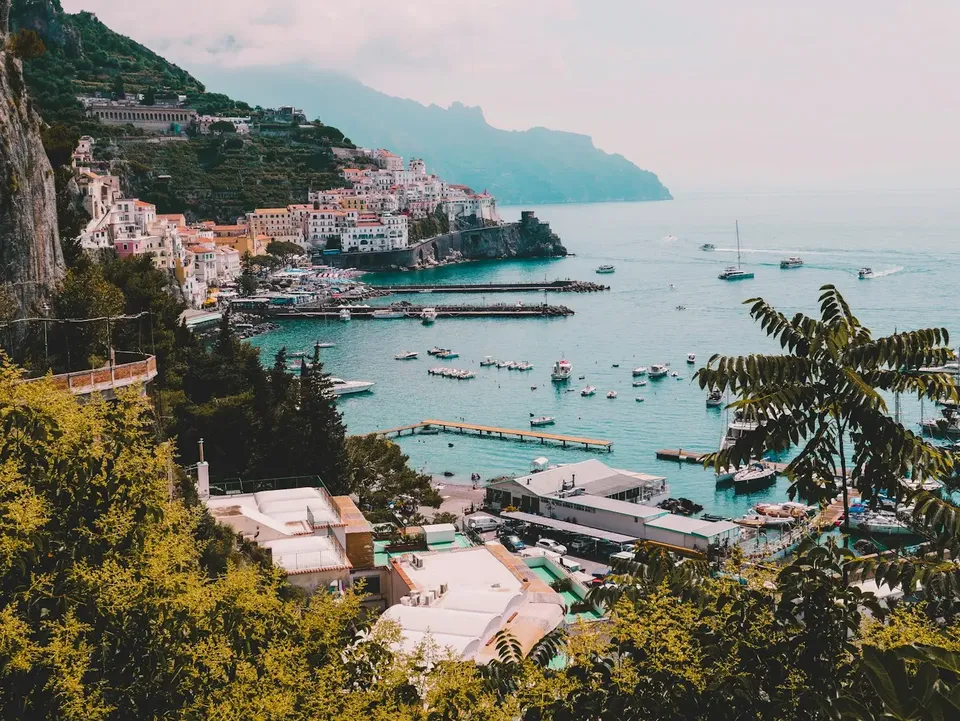
Those who know the Amalfi Coast through its seaside towns struggle to imagine how much the landscape changes as you gain altitude. Pontone, a hamlet of Scala suspended between Amalfi and Atrani, sits right on the edge: on one side, the open view of the sea and rooftops; on the other, the deep green gash that opens above the Valley of the Mills.
It is a place of passage for those heading toward the Ferriere Valley, and it is best thought of as the entrance to a natural setting rather than a simple scenic stop.
A microclimate out of time
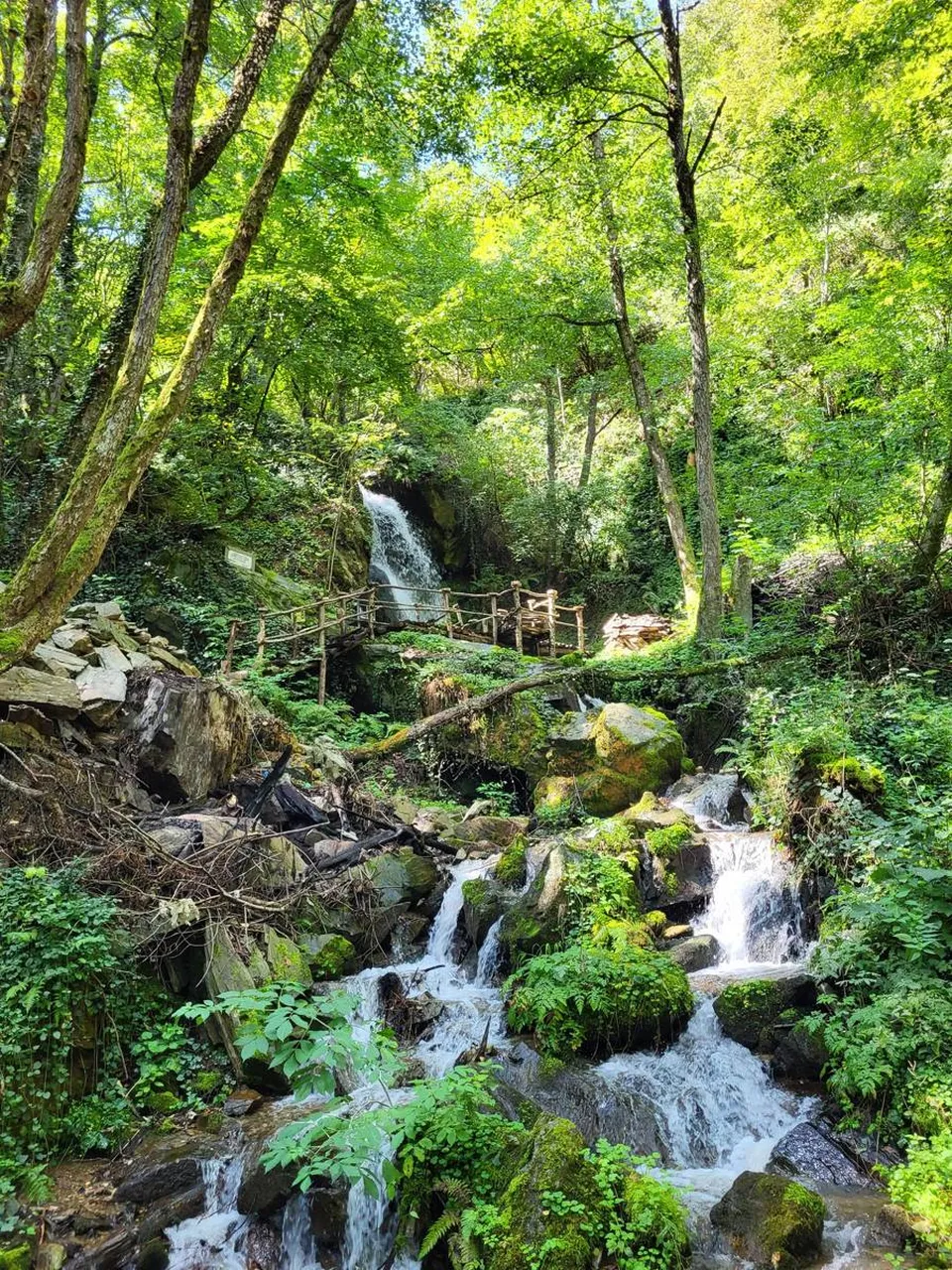
The Ferriere Valley is a narrow, steep gorge, where the air is cooler and more humid than on the sun-drenched slopes. The difference is immediate: Mediterranean scrub and cultivated terraces give way to shady woods, moss, and walls dripping with water.
In these conditions grows Woodwardia radicans, a large fern considered a relic of earlier, warmer and more humid eras than the present one. Because of this presence, the valley is also known among botanists and is often cited as one of the Amalfi Coast's most distinctive natural environments.
The water that flows down to Amalfi
Water shapes the valley's character. A stream runs along the bottom and, descending toward the sea, crosses the Valley of the Mills, the stretch above Amalfi where for centuries the force of the water powered the old paper mills.
Following this ribbon of water helps you understand the area as a single system: from the springs and upland woods to the alleys of the seaside town. After periods of rain, the stream becomes livelier and its sound accompanies walkers for a long time.
Why it is called the "Ferriere" valley
The name recalls the old activities linked to ironworking, which here relied precisely on the force of the water. Traces of that industrial past remain among the vegetation: stone structures, ruins, signs of work that nature has now largely reclaimed.
It is a fascinating aspect of the valley: not an untouched environment in the absolute sense, but a place where humans and nature coexisted until the forest took back space.
A reserve to cross with respect
The valley is part of a protected natural area, and this brings common-sense rules worth remembering:
- stay on marked trails, without creating shortcuts
- do not pick plants, ferns, or flowers
- do not leave litter and take everything you brought with you
- keep your voice down: the woods are also habitat for wildlife
The fragility of humid environments is the very reason these places have survived.
When to go and what to observe
The valley changes with the seasons, and each period has its own reasons.
Spring and autumn
The greenery is intense, the water plentiful, and milder temperatures make the walk more pleasant. After rain, however, surfaces and steps can be slippery.
Summer
The shade of the woods offers relief compared with the exposed parts of the Amalfi Coast. Even so, it is wise to start slowly and bring water.
What to look for
- the large ferns on the damp walls - the moss on the rocks - the play of light among the tree canopies - the stone remains of the old workshops
Before you set off
Access to the trails and the reserve may vary because of bad weather, landslides, maintenance work, or decisions by the managing authority. Before you set out, check updated information from official sources, such as the municipalities of Scala and Amalfi and the bodies that manage the protected area.
Wear shoes with sturdy soles, bring a light jacket even in summer, and pay close attention to the forecast: in a narrow valley, conditions change faster than in town.
Frequently asked questions
What makes the Ferriere Valley special?
Its cool, humid microclimate, which supports rare vegetation such as the fern Woodwardia radicans, together with the presence of water and the remains of old ironworking workshops.
Is Pontone a good starting point for the valley?
Yes, the village is a passage point toward the Ferriere Valley and is connected to Amalfi by stairways and paths. Before setting off, always check the condition of the routes with official sources.
Is it advisable to walk in the valley after rain?
Caution is advisable: surfaces and steps become slippery and the stream swells. Check the forecast and the official indications on trail accessibility.
Sources and useful links
Times, prices and services can change: always check with the official sources before you travel.
Updated: 2026-10-26