A village overlooking two towns
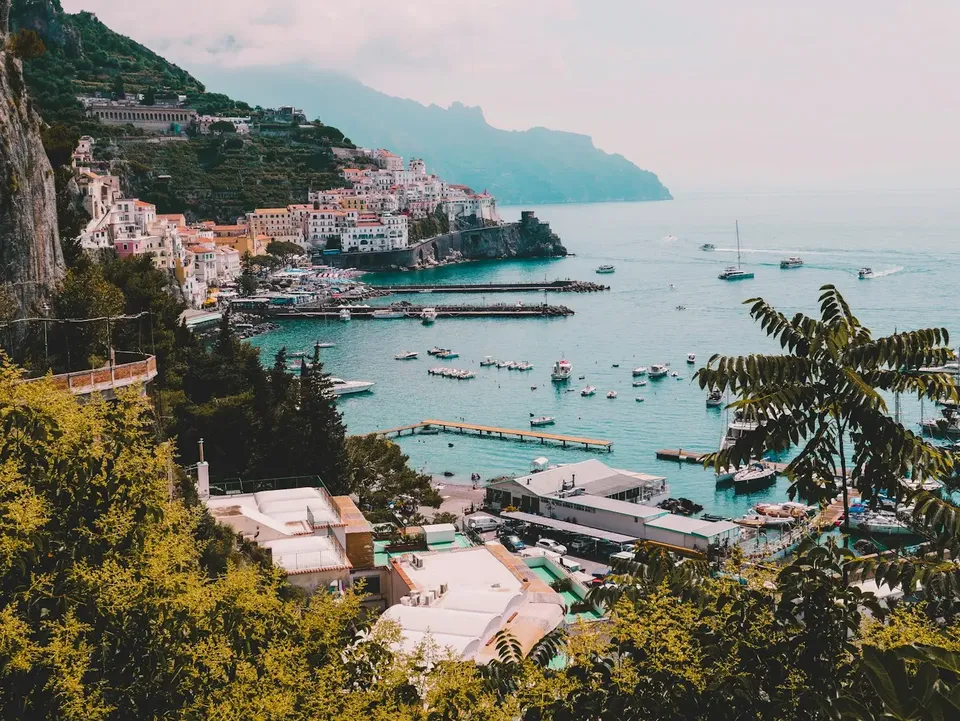
Pontone is a hamlet of Scala and occupies a singular position: it stands high up, between Amalfi and Atrani, above the Valle dei Mulini. A glance at the geography is enough to understand why people built and lived here. From this point, two centres of the coast and the valley below can be kept under watch, a useful position for those who had to oversee, connect and defend.
It is also a place that time has left to one side. There is very little traffic, the little square still has the proportions of a village, and the monuments are few but eloquent.
In the territory of the Republic of Amalfi
To read Pontone, one must remember that this stretch of the Coast was at the centre of Amalfi's history, the former maritime republic. The coastal city was the commercial and political heart, but its life also depended on the hills and valleys behind it, where people lived, farmed and worked.
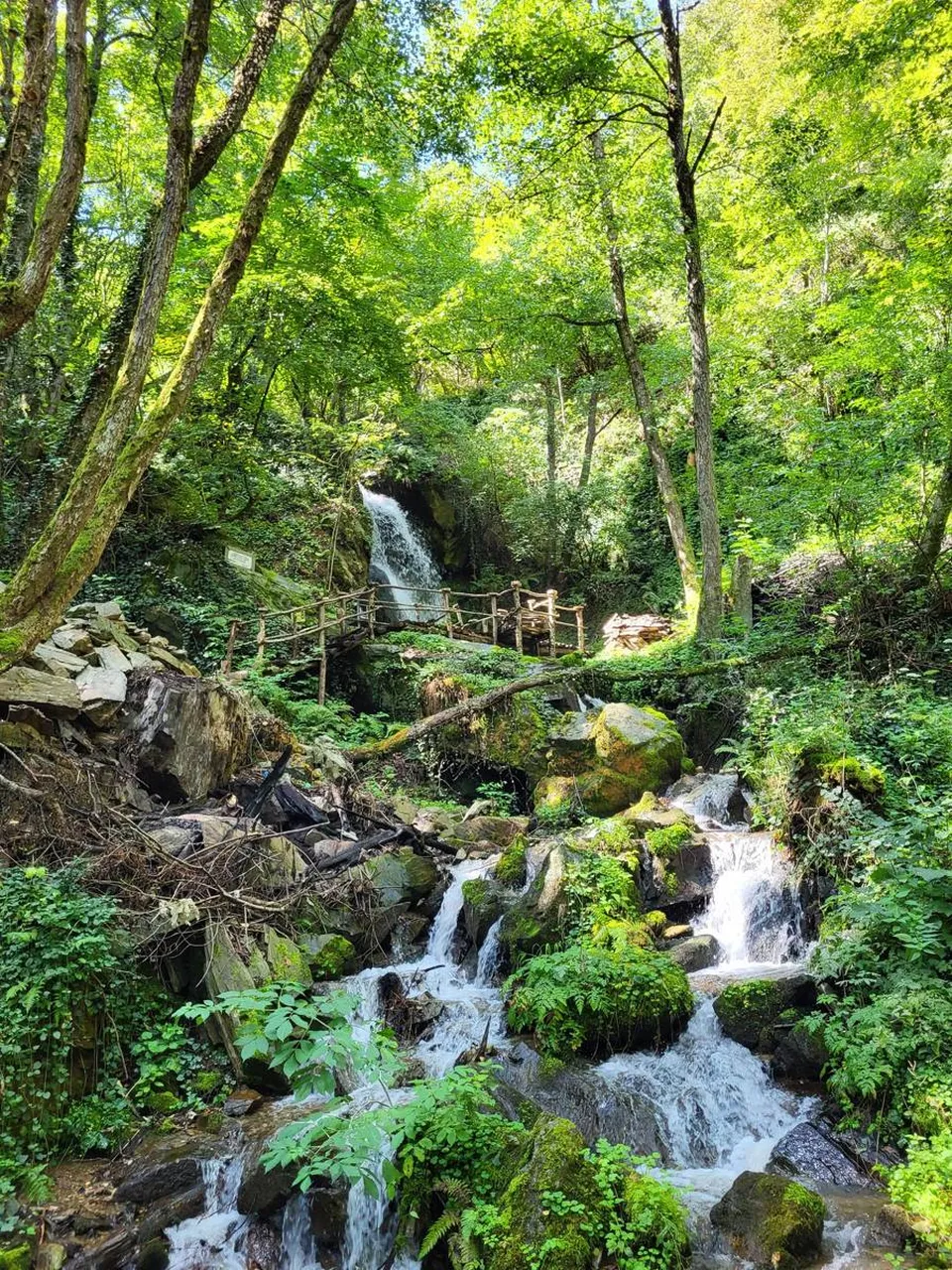
The Valle dei Mulini, just below the village, is linked to Amalfi's paper-making tradition, which used the water of the stream. Upper hamlets like Pontone were part of this system of paths, trades and lookout points, in which the coast and the inland area supported one another.
Who Saint Eustachio was
The basilica in Pontone is dedicated to Saint Eustachio, a saint much venerated in early Christianity. Tradition says he was a Roman officer who converted after the appearance of a deer with a cross between its antlers. For this reason he is considered the patron saint of hunters, and the deer is his most recognizable iconography.
The story belongs to hagiographic tradition rather than verifiable chronicle, but it clearly shows the kind of devotion that led people to dedicate a church to him: a popular, widespread and deeply rooted cult.
The remains of the basilica
Today, only the ruins of the basilica of Sant'Eustachio remain. It is not a complete building to visit like a church in use, but a place to observe carefully: walls, volumes and architectural traces suggest the size and importance the building must once have had for the village community.
It is precisely this state of ruin that makes it evocative. Among the remains, one understands how a place of worship can remain a point of reference even when the roof is gone. To know whether the area is accessible and in what conditions, it is best to inquire with the Comune di Scala or the official sources for the area.
San Giovanni Battista, the village church
Next to the ruins, the church of San Giovanni Battista represents continuity. The two dedications tell of two different moments in Pontone's religious life: on one side the great basilica, now largely lost, on the other a building more closely tied to the daily life of the village.
It is a good invitation to enter the village discreetly. The churches of hamlets are places lived in by the inhabitants before they are stops on an itinerary.
The Torre dello Ziro, a sentry over the sea
The Torre dello Ziro is a watchtower and completes the village's historical picture. Its function was to watch: from up there, Amalfi and Atrani are embraced at a glance, and the gaze reaches the sea from which both trade and danger could arrive.
For centuries the Coast needed systems of signalling and control, and towers like this are the clearest testimony to that. Today the view is a reward for those who walk, but it is worth remembering that it was born as a defensive tool.
Stairways and paths: the roads of history
A long stairway and various paths connect Pontone to Amalfi, and Pontone is a point of passage towards the Valle delle Ferriere. These routes were not created for tourism: they were the ways by which people went down to the valley, reached places of work and held together a territory without easy roads.
Walking them, even for part of the way, helps explain why the high villages were so closely tied to the coast. Before setting out, always check the condition of the paths with the official sources.
How to read Pontone on foot
The best way to grasp the village's history is to combine the three places in a slow sequence:
- the remains of Sant'Eustachio, to imagine what once was;
- the church of San Giovanni Battista, to see what remains alive;
- the tower, to understand the gaze that protected the coast for centuries.
Then stop in the small square with a view: it is the point where geography and history come back together.
Frequently asked questions
What remains of the basilica of Sant'Eustachio in Pontone?
Only the ruins remain, which make it possible to infer its layout but do not constitute a complete building. To know whether and how it can be visited, it is best to consult the Comune di Scala or the official sources.
Why does the Torre dello Ziro have historical value?
It is a watchtower from which Amalfi and Atrani can be observed. It represents the system of control and defence of the coastal territory and helps explain the strategic role of Pontone.
Does Pontone belong to Amalfi?
No, it is a hamlet of the comune of Scala, even though geographically it lies between Amalfi and Atrani, above the Valle dei Mulini, and is connected to Amalfi by a stairway and paths.
Sources and useful links
Times, prices and services can change: always check with the official sources before you travel.
Updated: 2026-10-26