Why climb on foot
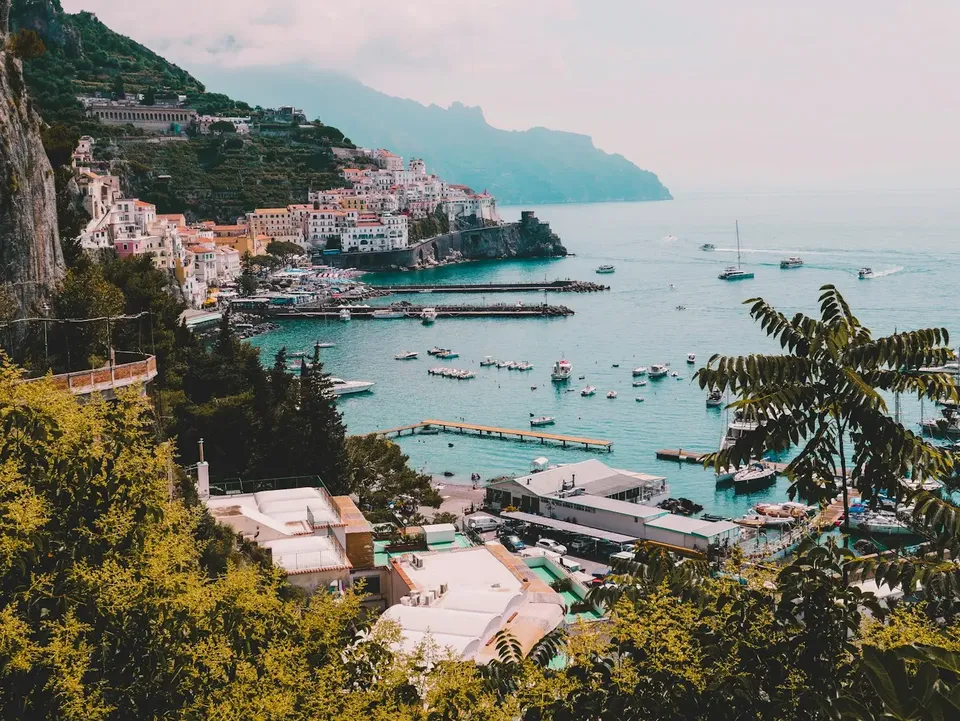
Pontone lies high up, suspended between Amalfi and Atrani, and the most fitting way to reach it is the one used by the people of the past: walking. The stairs and paths that connect it to Amalfi are part of the history of these hamlets, born far from the sea and linked to the coast by pedestrian routes.
Climbing on foot also means understanding the geography of the place: you start at sea level and, step by step, enter a landscape of terraces, isolated houses, and silence.
The starting point: Amalfi
You begin in the center of Amalfi, among alleyways and small squares. It’s best to set off uphill without rushing, leaving the bustle of the seafront behind and looking for signs toward Valle dei Mulini, the area where paper was worked for centuries.
If you have doubts about where the staircase begins, ask a local resident or check an up-to-date hiking map: Amalfi’s alleyways can look alike, and an initial confirmation avoids unnecessary detours.
The staircase: what the climb is like
The main stretch is a long staircase, with uneven steps and a steady slope. It doesn’t require mountaineering gear, but it does call for a minimum of training: it’s a continuous climb, with few truly flat sections.
The right pace
It’s better to start at a slow, steady pace and stop when needed. Breaks are also useful for looking back: as you climb, Amalfi gets smaller and the coast opens up.
The surface
The stone, especially after rain or in the shade, can be slippery. Shoes with a grippy sole are needed; sandals are not recommended.
Along the way: valley, walls, and silence
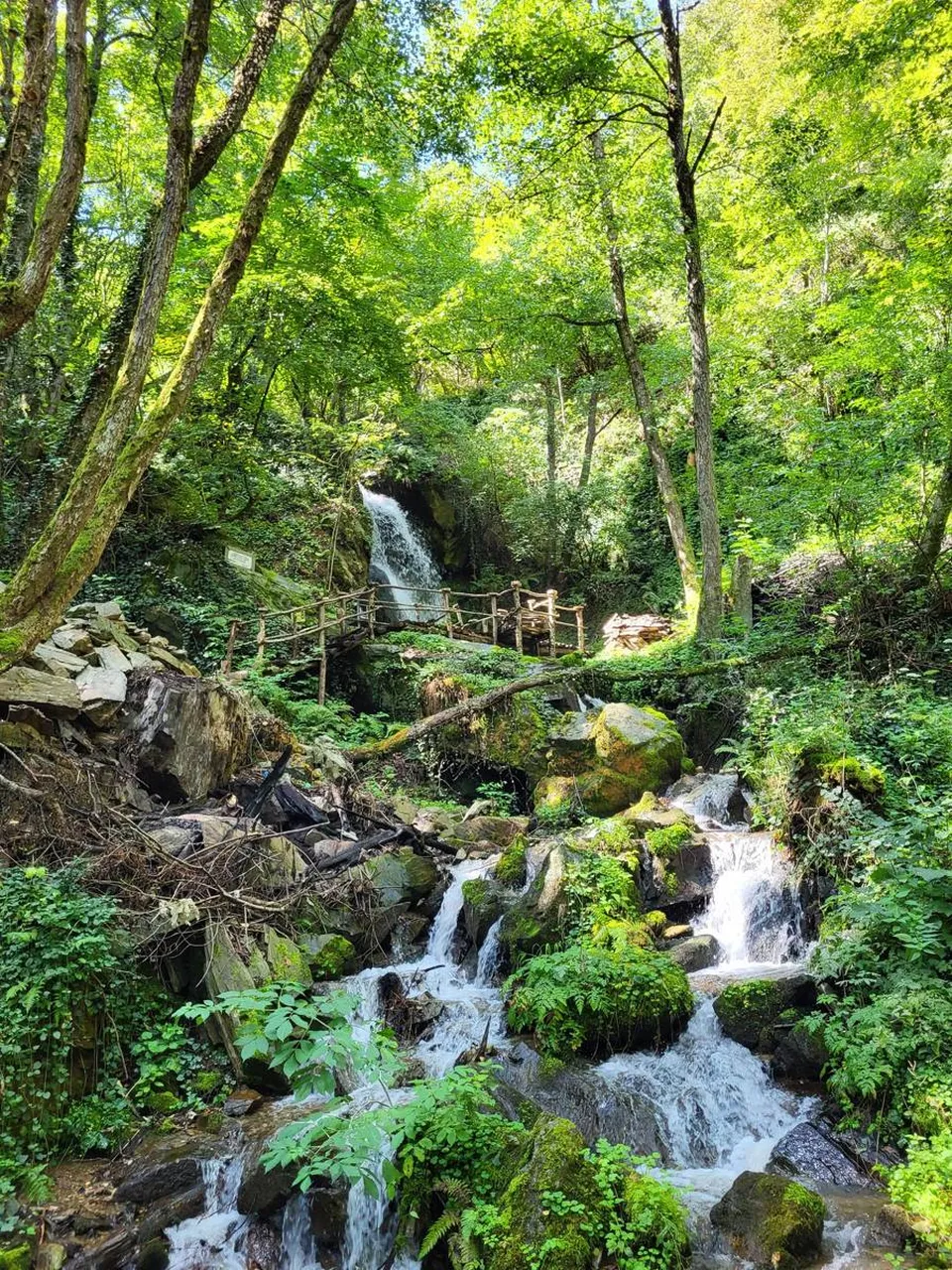
As you go up, the noise from the center fades and gives way to the sounds of the valley. The landscape is made up of dry-stone walls, vegetable gardens, Mediterranean vegetation, and scattered houses. In some places the staircase overlooks Valle dei Mulini, with its cool, humid microclimate.
Some bends offer views of Amalfi and the sea: these are good moments to stop, drink, and rest your legs without making it look like a forced break.
Arriving in Pontone
The village announces itself with its first houses and with a quiet that becomes even more appreciated after the climb. There is a small square with a view, ideal for catching your breath before continuing.
From here the walk can continue toward the Torre dello Ziro, the church of San Giovanni Battista, or the remains of Sant'Eustachio, but we recommend keeping this stop as a reward: the goal of the walk is to arrive with enough energy to enjoy the village, not just to sit down.
What to bring and how to prepare
A climb like this is best tackled with light gear and a few precautions.
- Light hiking shoes or sneakers with a good sole
- Enough water: there may not be refill points along the route
- A hat and sun protection in the warm months
- A light jacket, because the weather can change higher up
- A charged phone and, if possible, an offline map
In summer, it’s preferable to walk during the coolest hours of the day and avoid the hottest moments.
The return: descending with care
Many people choose to return to Amalfi by the same staircase. The descent is less tiring for the breath, but it puts knees and ankles to the test: it’s best done with short steps and, if you have them, trekking poles.
If you prefer not to repeat the same route, check the alternatives in advance, including connections with the other hamlets of Scala and local transport services, keeping in mind that they vary by season.
Check before you set off
Paths and stairways can be temporarily closed for maintenance, landslides, or bad weather. Before setting off, check the latest information from the Comune di Scala, the Comune di Amalfi, and the bodies that manage the routes in the area, as well as the weather forecast.
In case of heavy rain or strong wind, postpone it: the climb will still be there the next day.
Frequently asked questions
Is the climb from Amalfi to Pontone suitable for everyone?
It doesn’t require technique, but it is a continuous climb on steps: a minimum of training is needed. Those with mobility difficulties or knee problems should assess carefully, take it slowly, or choose another way to reach the village.
Can I do the route in any kind of footwear?
It’s better to avoid sandals and smooth soles. Stone and uneven steps can be slippery, especially after rain: choose closed shoes with good traction.
How do I check whether the path is passable?
Consult the official notices from the Comuni di Amalfi and Scala and from the bodies that look after the trails in the area. Conditions can change after bad weather or maintenance work.
Sources and useful links
Times, prices and services can change: always check with the official sources before you travel.
Updated: 2026-10-26