Beyond the Spiaggia Grande
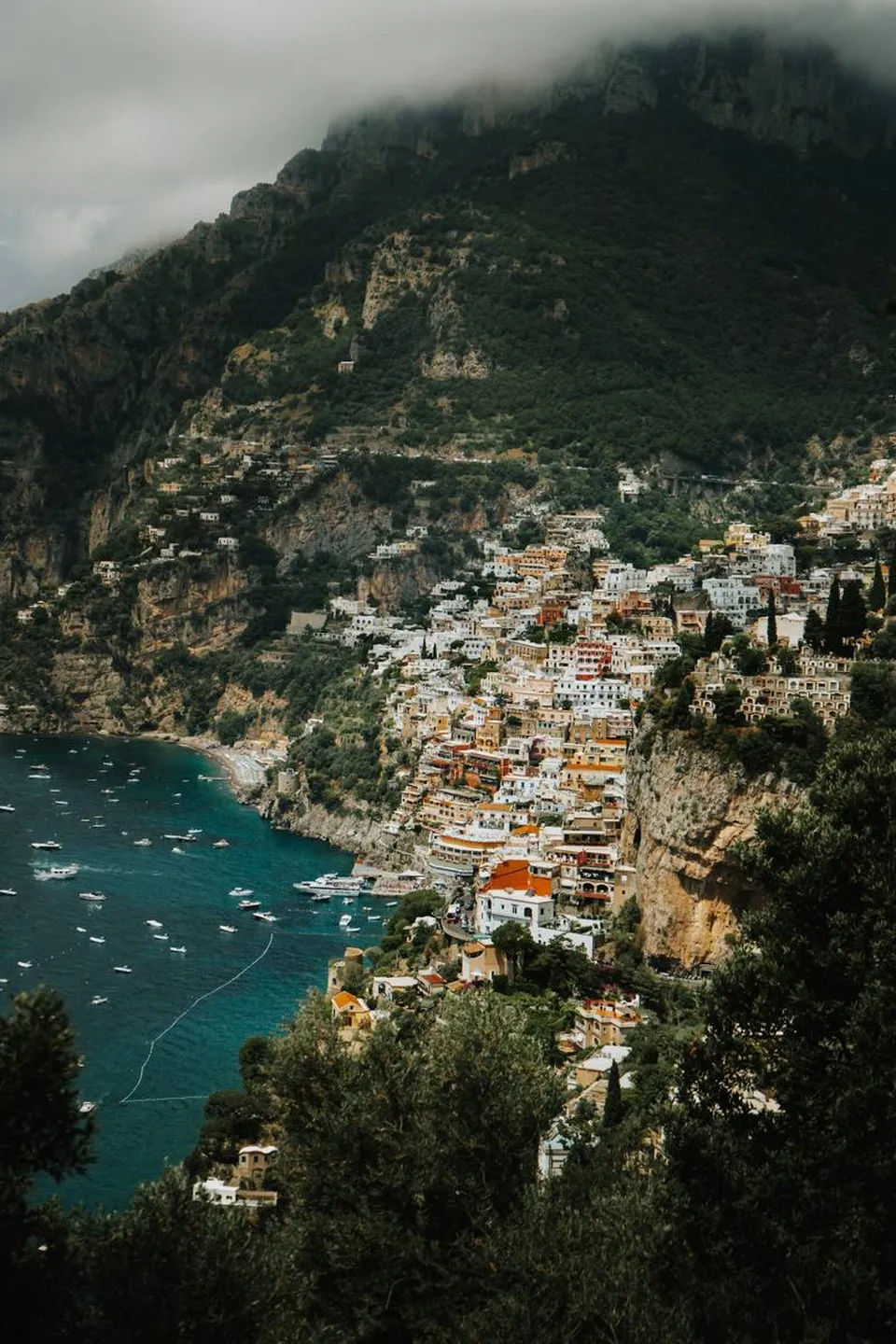
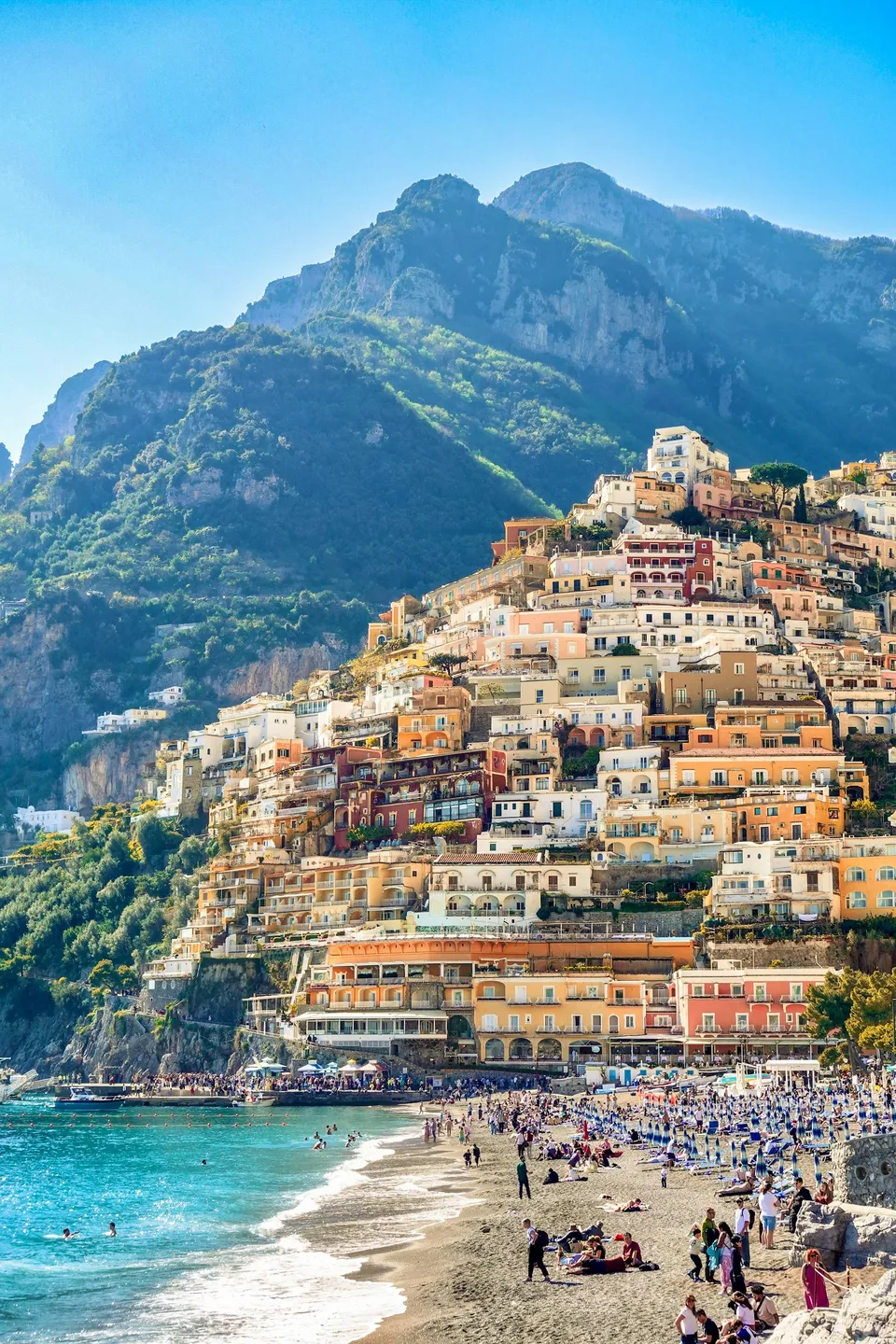
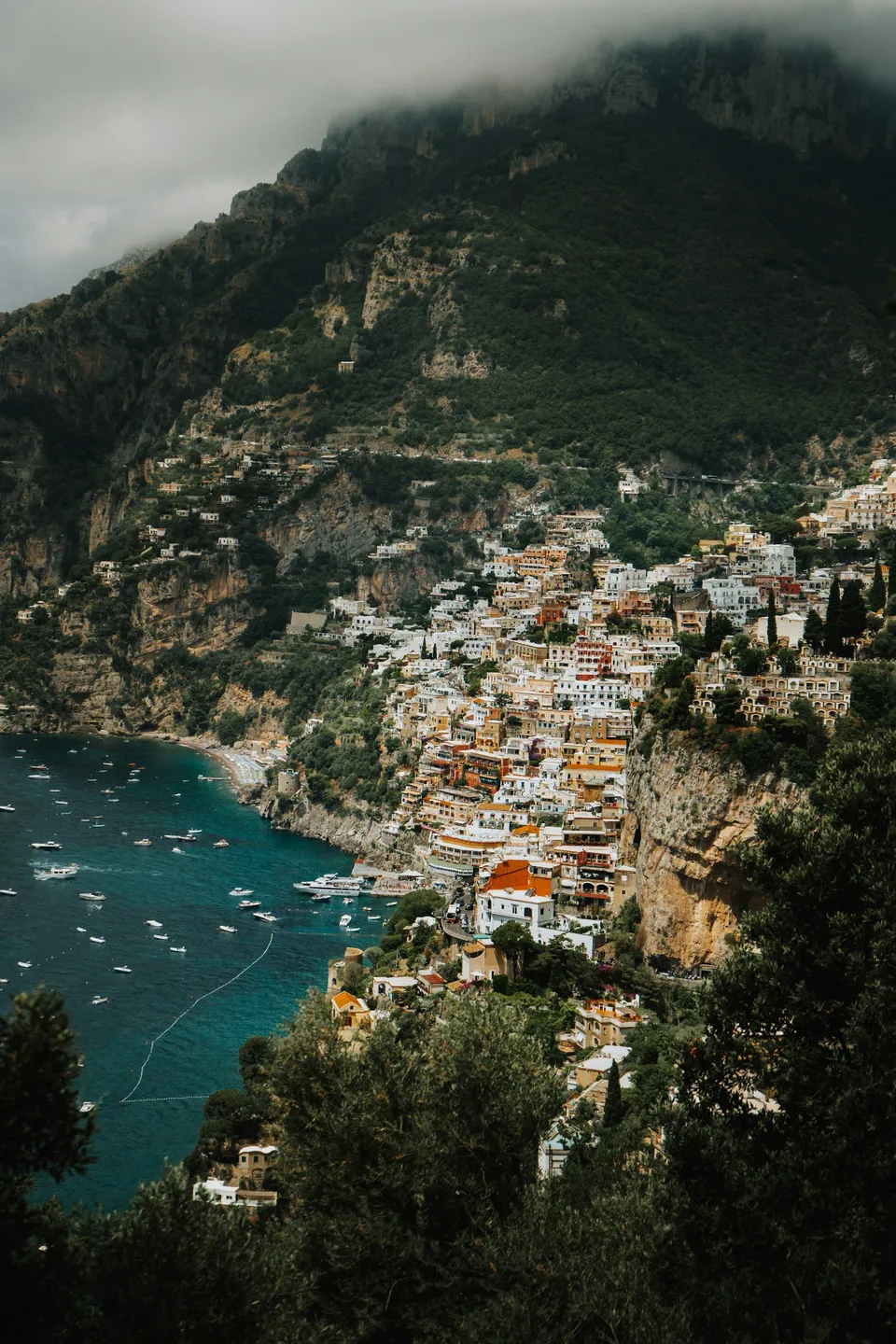
Positano is a vertical town, and this verticality does not stop at the last houses by the sea. As you climb, the tourist fabric thins out and vegetable gardens, dry-stone walls, small churches and village voices appear.
The upper hamlets belong to Positano in every sense, but they have a different character: fewer shop windows, more everyday life. They are places for those who have already seen the postcard and want to understand what lies behind it.
Montepertuso and the holed rock
The very name, Montepertuso, points to the "pierced mountain". The symbol of the village is in fact the holed rock, a large natural opening in the rock face that overlooks the village and can be recognised even from afar.
Local tradition links it to a legend of a struggle between the devil and the Madonna, who, in the popular tale, is said to have opened up the mountain. As with all oral stories, there are variants: ask those who live here and you will probably hear more than one.
Walking among the houses of Montepertuso
The village is best explored slowly, following alleys and small flights of steps that open onto sudden views of the coast. Here the sea is far away and below, and the atmosphere recalls the Mediterranean mountains more than a seaside resort.
Bring comfortable shoes with a good sole: the paving can be uneven and slippery, especially after rain. A pause in the little square, watching the rhythm of village life, is worth as much as a visit to a monument.
Nocelle, the village at the top
Nocelle is even more secluded. A few houses, terraces overlooking the void, a light that at sunset sets the stone and the distant sea aglow. From here the gaze travels as far as the Li Galli islands, which off Positano seem to rest on the water.
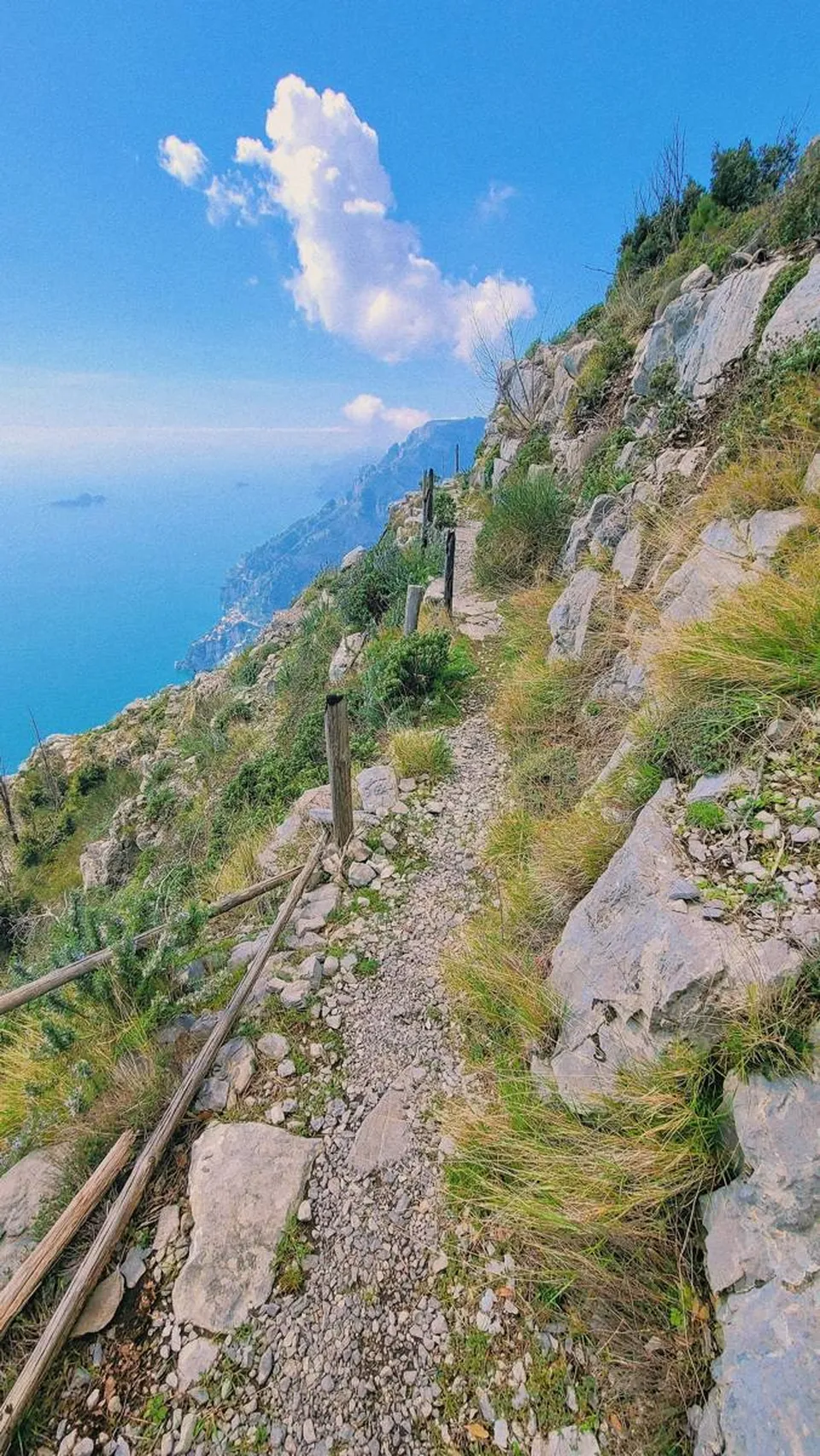
It is also the end point of the Path of the Gods from Agerola: many hikers arrive on foot after hours of walking, but Nocelle deserves a visit in its own right, without needing to tackle the whole route.
How to climb without rushing
You can reach upper Positano on foot, following the old staircases and the paths that connect the centre to the hamlets, or by using local road connections. In both cases the difference in altitude is significant and should be taken into account.
Routes, runs and frequencies change with the season and may be subject to variation: before setting out, check the website of the Comune di Positano and official transport sources, and find out about the condition of the trails. For general connections along the coast, see the article dedicated to getting around.
When to go and what to pack
The morning hours and late afternoon are the most pleasant: the light is soft, the heat more bearable and the sense of calm more authentic. In the shoulder seasons the climb is decidedly more enjoyable.
Useful to have with you
- closed, comfortable shoes suited to steps and stone
- water and a hat for sunny hours
- a light jacket, as it can get cooler at altitude
- a little cash and patience: services are limited in small villages
A half-day idea
Set off early from Positano and climb towards Montepertuso at an easy pace, stopping where the view opens up. Spend some time at the holed rock and in the village's alleys, then continue towards Nocelle to enjoy the panorama over the Li Galli.
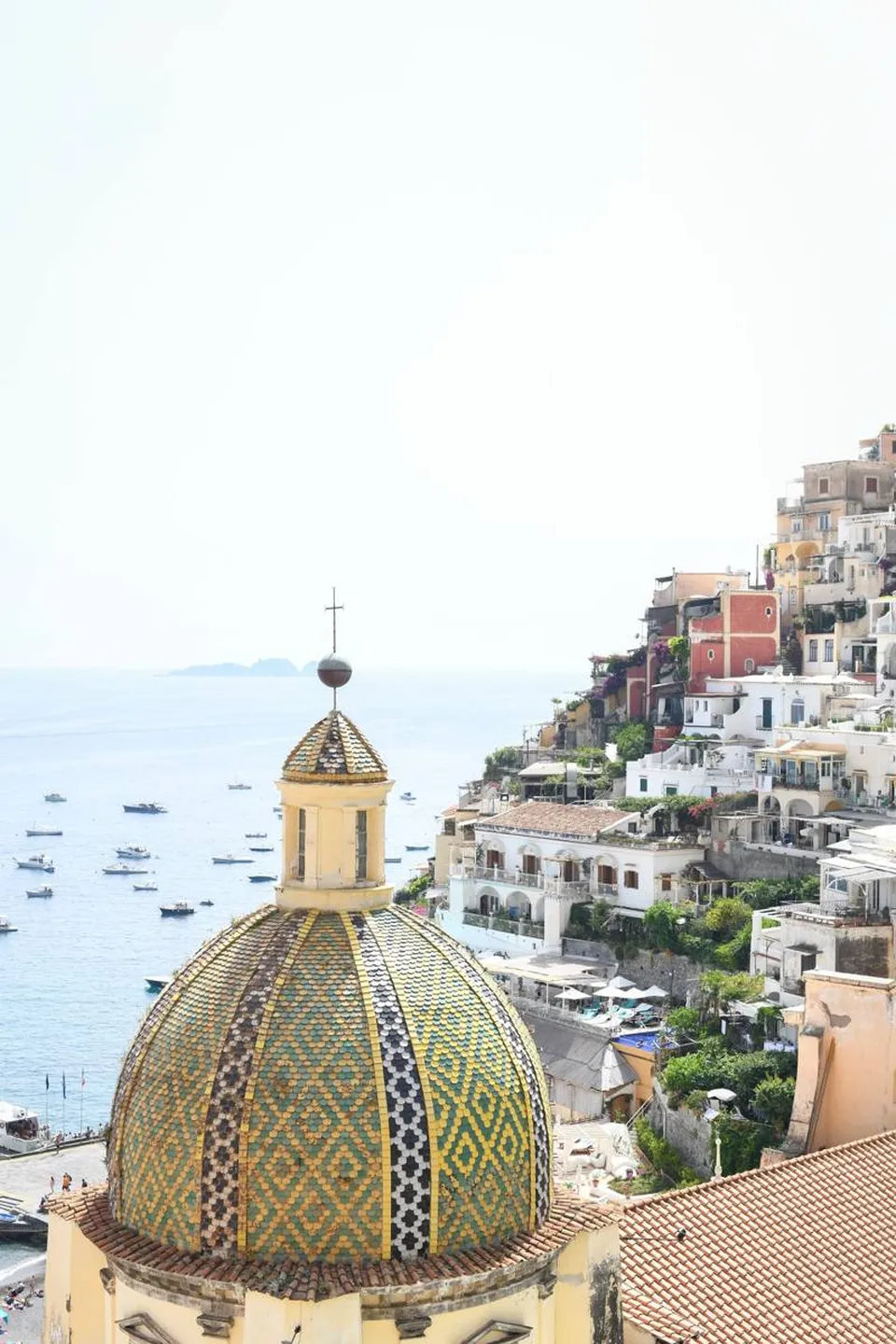
For the return, choose the option best suited to your legs and the time of day. Once back down, the church of Santa Maria Assunta with its majolica dome is a fine final stop, because it makes you feel the contrast between the Positano that shows itself and the one that hides up high.
Frequently asked questions
Can Montepertuso and Nocelle be visited in a single morning?
Yes, with simple organisation and an unhurried pace it is possible to see both hamlets in half a day. The actual time depends on how you go up and down, so check local connections and trail conditions beforehand.
Do you need to be a hiker to reach Nocelle?
Not necessarily: it can also be reached by road connections, which should always be checked with official sources. Those who choose the staircases or trails, however, must allow for the climb and uneven surfaces, and set out with suitable footwear.
What does the name Montepertuso mean?
It points to the "pierced mountain", referring to the holed rock that towers over the village. Local tradition links this opening to a popular legend involving the devil and the Madonna.
Sources and useful links
Times, prices and services can change: always check with the official sources before you travel.
Updated: 2026-10-26