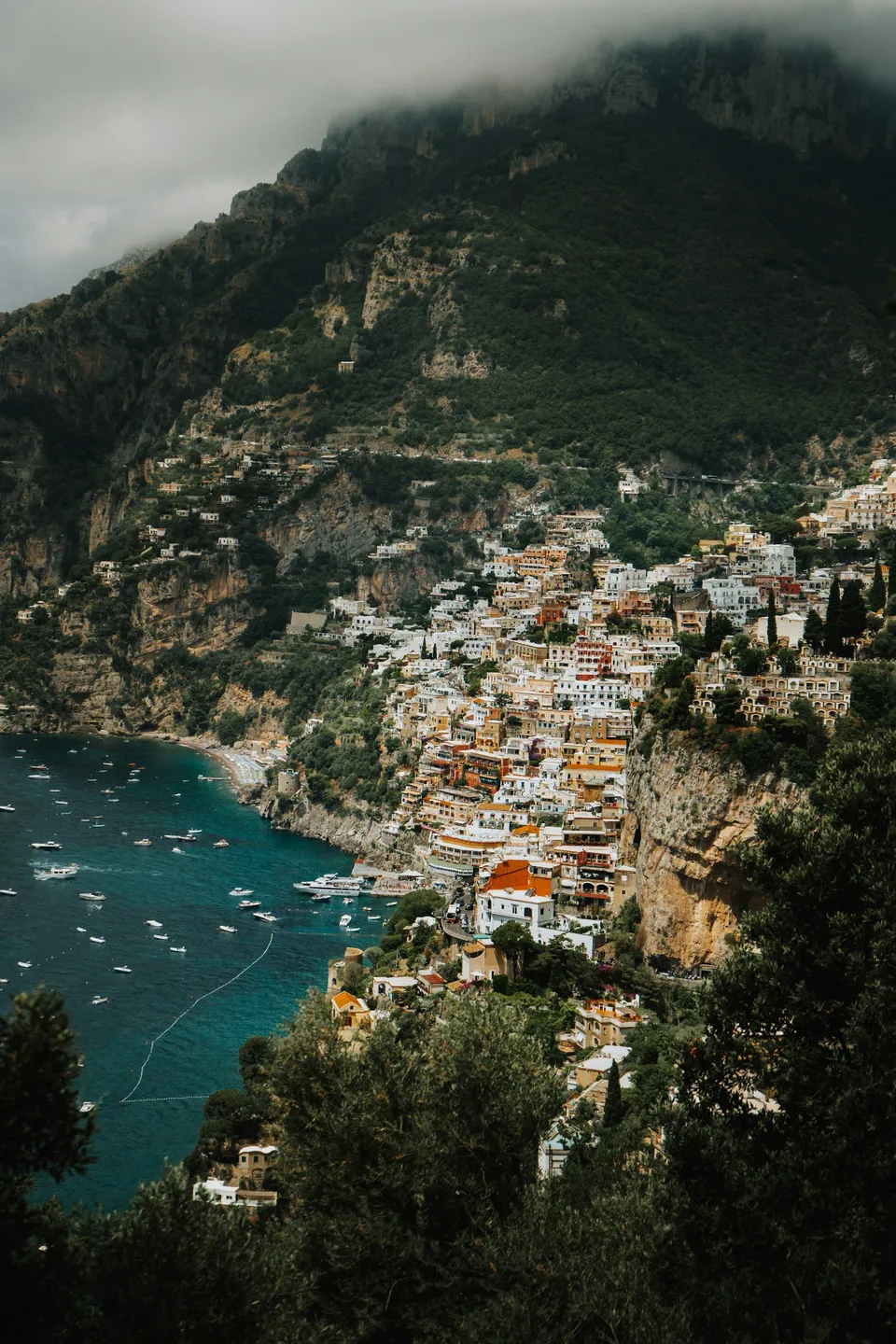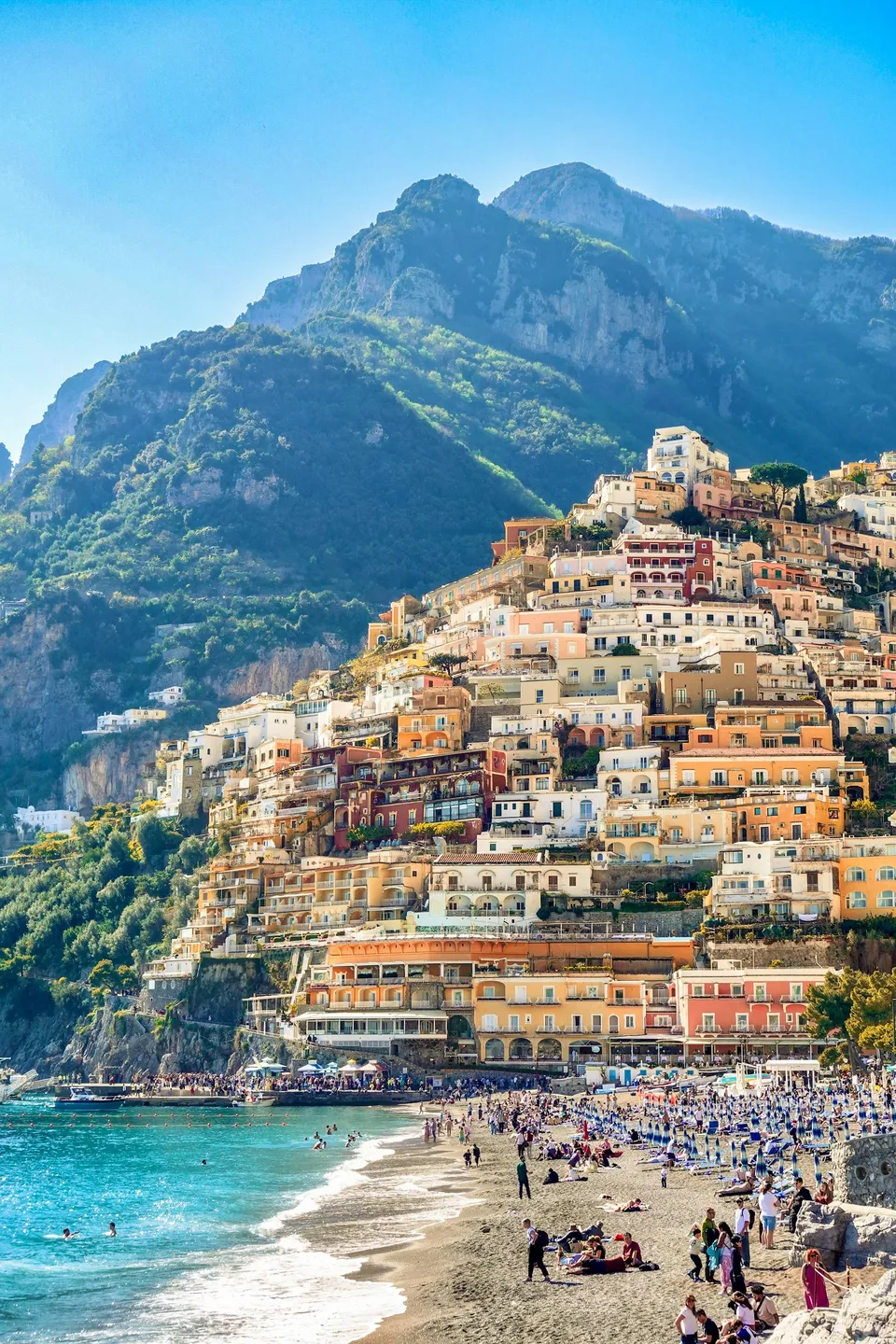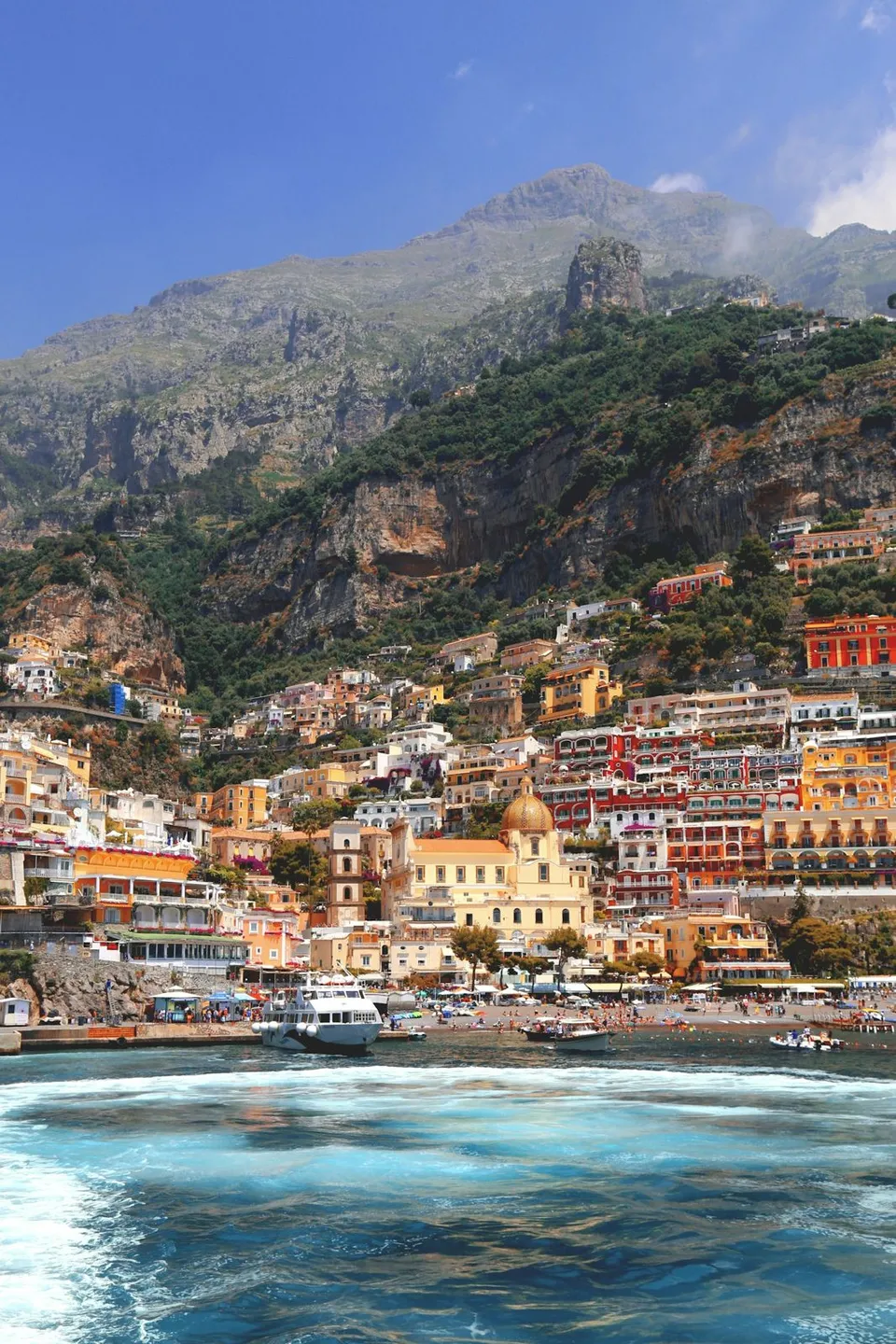
A vertical town, an attraction in itself
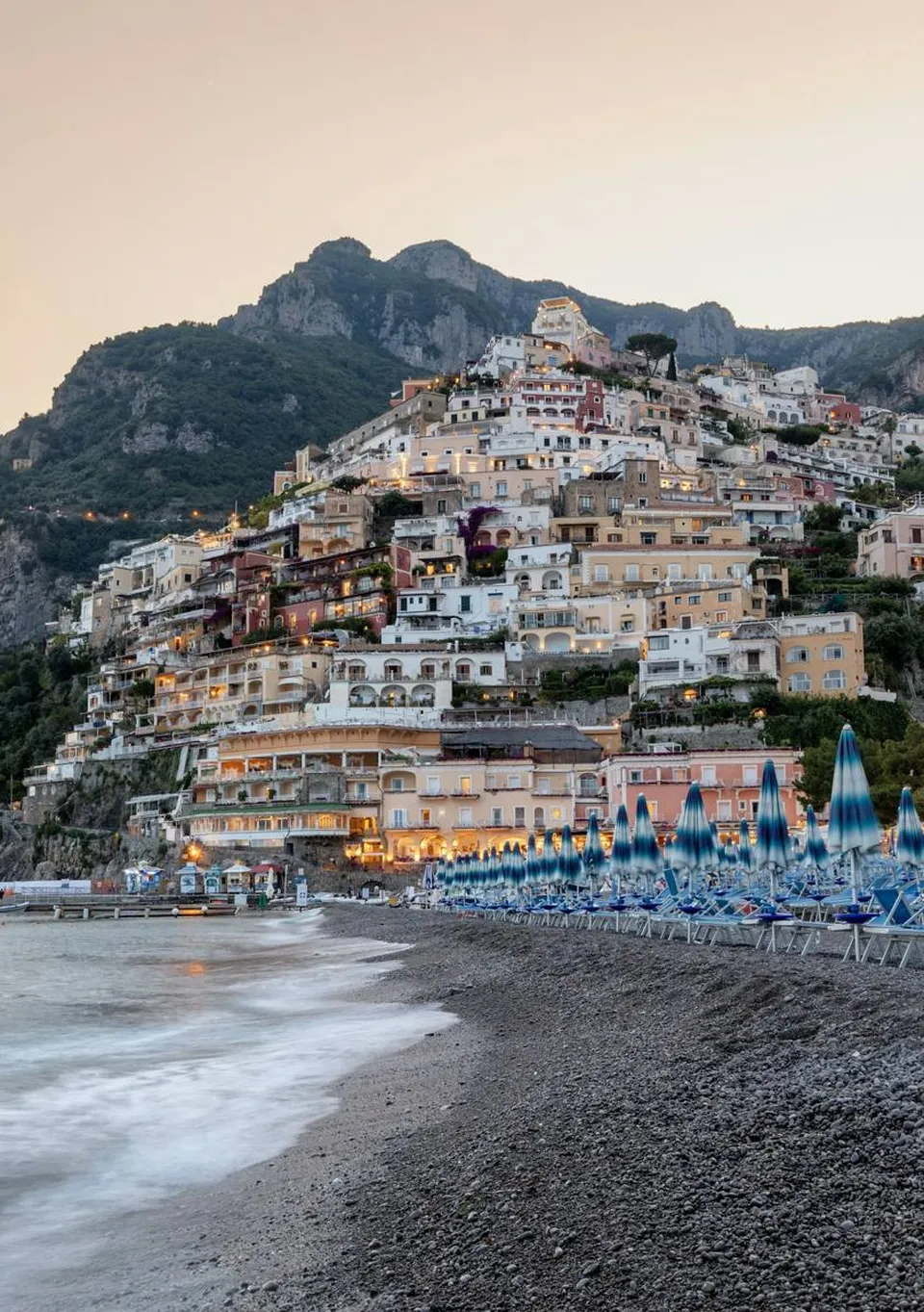
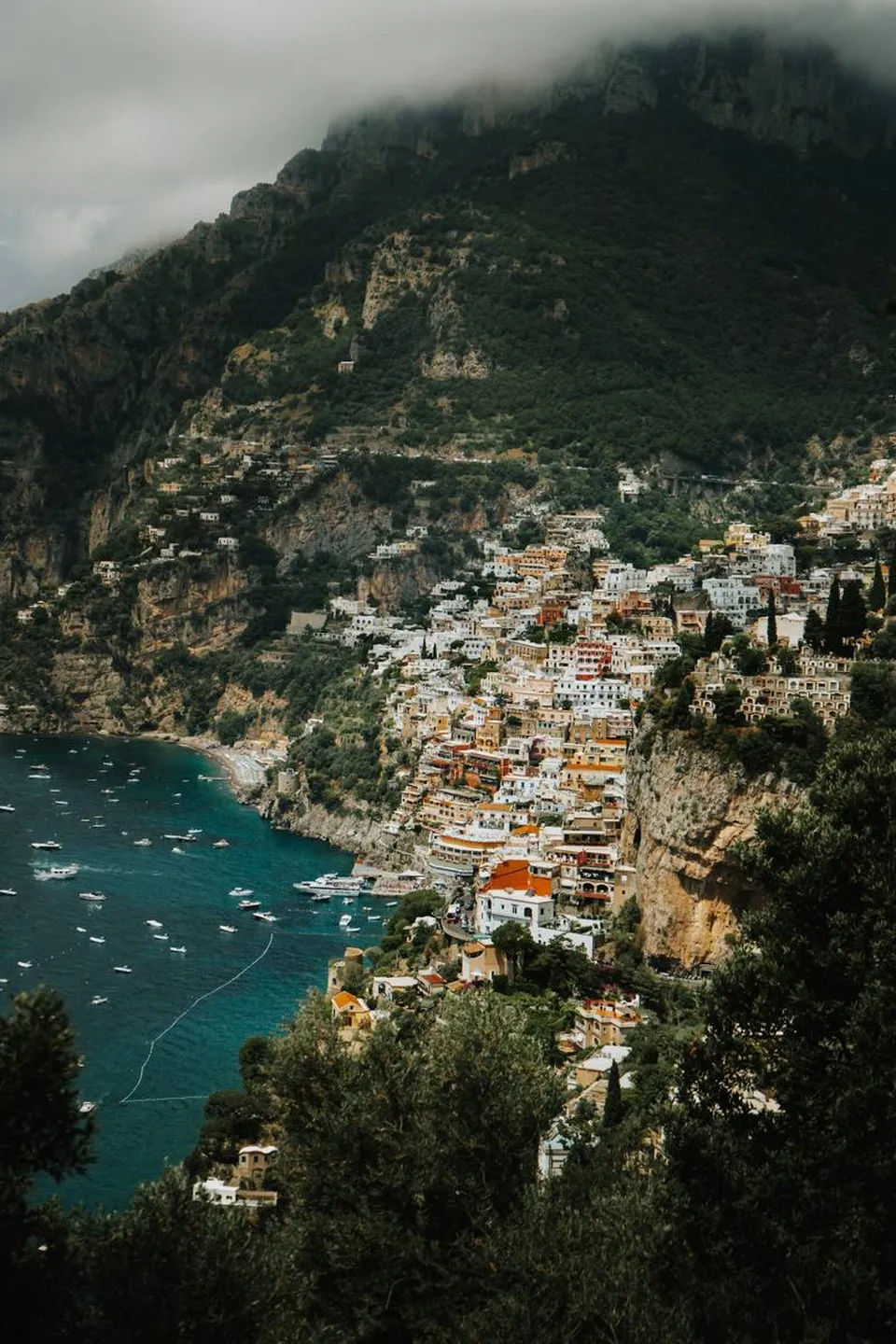
Positano is not visited like a city: you climb up and walk down. The houses stack up the slope one above the other, linked by staircases, alleys and passages that suddenly open onto terraces overlooking the sea.
Our advice is to let the steps guide you without a fixed destination. Every turn changes the view: an arch, a hanging garden, a bell tower, a patch of sea between two walls. You will need comfortable shoes and a bit of stamina, but the effort is part of the experience.
Santa Maria Assunta and the Black Madonna
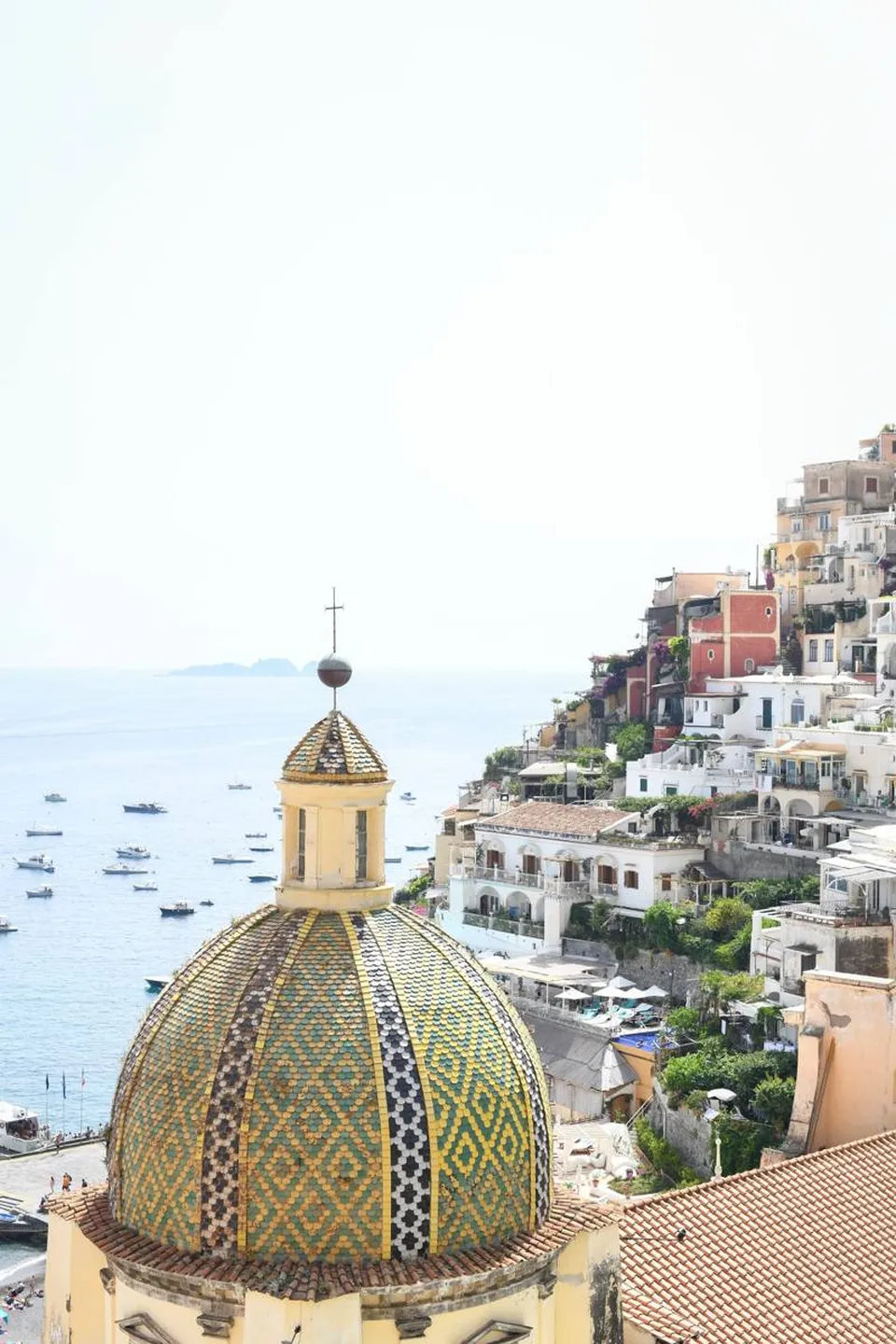
This is the religious and visual heart of the town. The dome covered in colorful majolica tiles is one of Positano's most recognizable profiles and can be seen from many points in the center and from the sea.
Inside is the Byzantine icon of the Black Madonna, venerated by the people of Positano. A legend handed down in the town says the image arrived from the sea and links the name of Positano to an invocation. It should be understood as a traditional tale, not a historical fact, but it helps convey how deeply the community feels about the church.
The church is a place of worship: dress modestly and be discreet during services. For opening hours, it is best to consult the parish's information.
The MAR: the Roman villa beneath the church
Few visitors know that beneath Santa Maria Assunta lies the MAR, the archaeological museum that preserves the remains of a Roman villa. Its presence is a reminder that this stretch of coast was frequented and inhabited as early as antiquity, well before its tourist fortunes.
The visit is short, but it reveals another dimension of the place: beneath the crowded alleys lies a layered history, best read slowly. Opening hours, days and access arrangements may vary, so it is wise to check them on the official channels of the museum or the municipality.
Spiaggia Grande and Fornillo as places to look at
You don't need to swim to appreciate Positano's beaches. Spiaggia Grande, right in front of the center, is the town's great stage: from here you can take in the whole terraced architecture, with the colors of the facades climbing the hill.
The more secluded Fornillo beach is reached on foot along a scenic path on the coast. The walk is worthwhile in itself, with views of the town from a different perspective. If you are interested in Arienzo and Laurito, reachable by stairs or by shuttle boats in season, the subject deserves a dedicated in-depth look.
Montepertuso and the pierced rock
Heading up toward the high hamlets you reach Montepertuso, whose name recalls the large hole that opens in the rock above the village. It is a natural curiosity, accompanied by folk tales linking it to stories of devils and madonnas, passed down more by oral tradition than by documents.
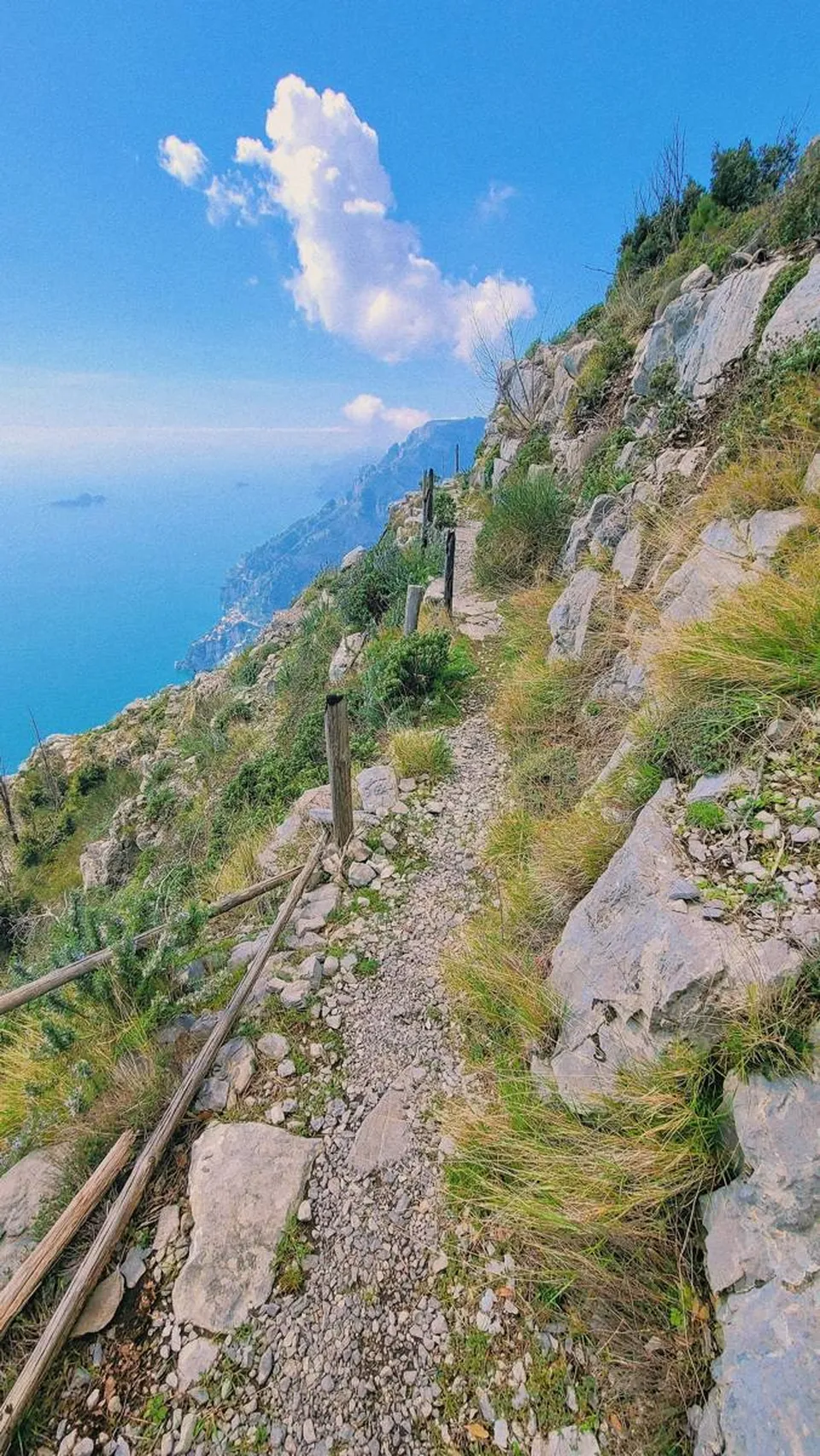
Here the atmosphere changes: fewer crowds, more silence, a wider view of the gulf and the feel of a mountain village overlooking the sea. For a complete experience of upper Positano, there is also Nocelle, the arrival point of the Path of the Gods from Agerola.
Li Galli, the islands on the horizon
Out at sea, in front of Positano, stands the small group of islets known as Li Galli. From the shore they are a constant presence, especially at sunset, when their silhouette stands out against the sea.
An ancient tradition associates them with the sirens of the Odyssey, an evocation that suits the landscape well. To admire them, a terrace or a stretch of seafront is enough; those who wish to get closer should find out about sea conditions and the navigation and access rules in force.
How to fit them into a visit without rushing
The best way to see Positano is to proceed in layers: the center with the church and the MAR in the morning, then a walk toward Fornillo, and finally, if time allows, a climb to the high hamlets.
Practical tips
- Wear closed, comfortable shoes: the stairs are numerous and sometimes uneven.
- Avoid the middle of the day in the hottest months for the climbs.
- Preferably arrive by public transport: parking is scarce, and buses on the Statale 163 and seasonal ferries offer alternatives.
- Always check schedules and connections on official sources before leaving.
Frequently asked questions
How much time do you need to see Positano's main attractions?
A morning is enough for the center, the church of Santa Maria Assunta, the MAR and a look out over Spiaggia Grande. If you add the walk to Fornillo and a climb to Montepertuso, it is better to set aside the whole day.
Is the MAR really beneath the church?
Yes, the MAR archaeological museum is located beneath the church of Santa Maria Assunta and preserves the remains of a Roman villa. Opening hours may change, so they should be checked on the official channels.
Can you visit Positano without a car?
Yes, and it is the simplest choice: parking is scarce and the center is explored on foot. Buses on the Statale 163 and seasonal ferries to Amalfi, Capri and Sorrento are good alternatives, but it is best to check up-to-date schedules and frequencies.
Sources and useful links
Times, prices and services can change: always check with the official sources before you travel.
Updated: 2026-10-26