A gateway with a clear identity
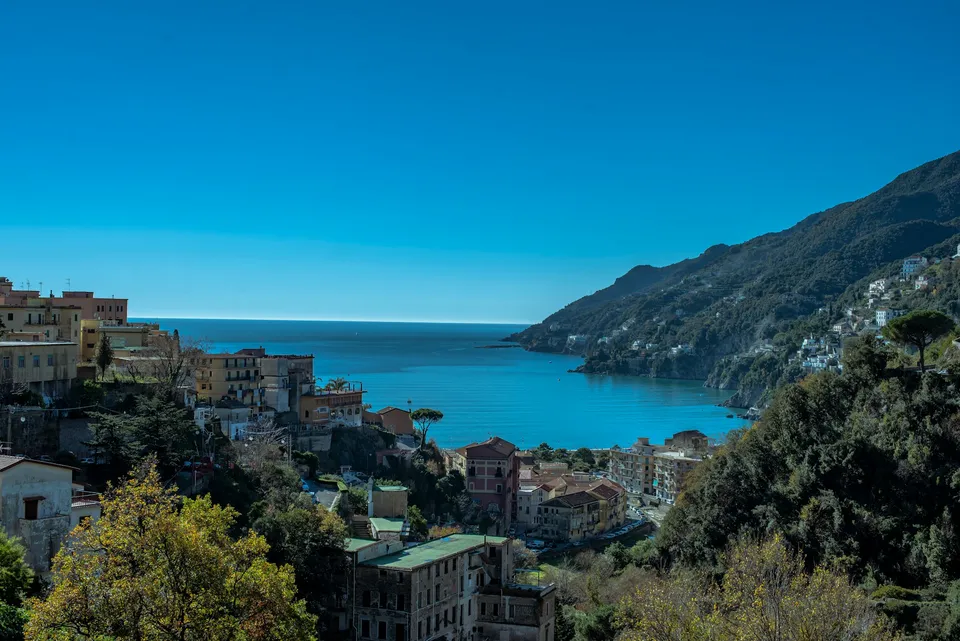
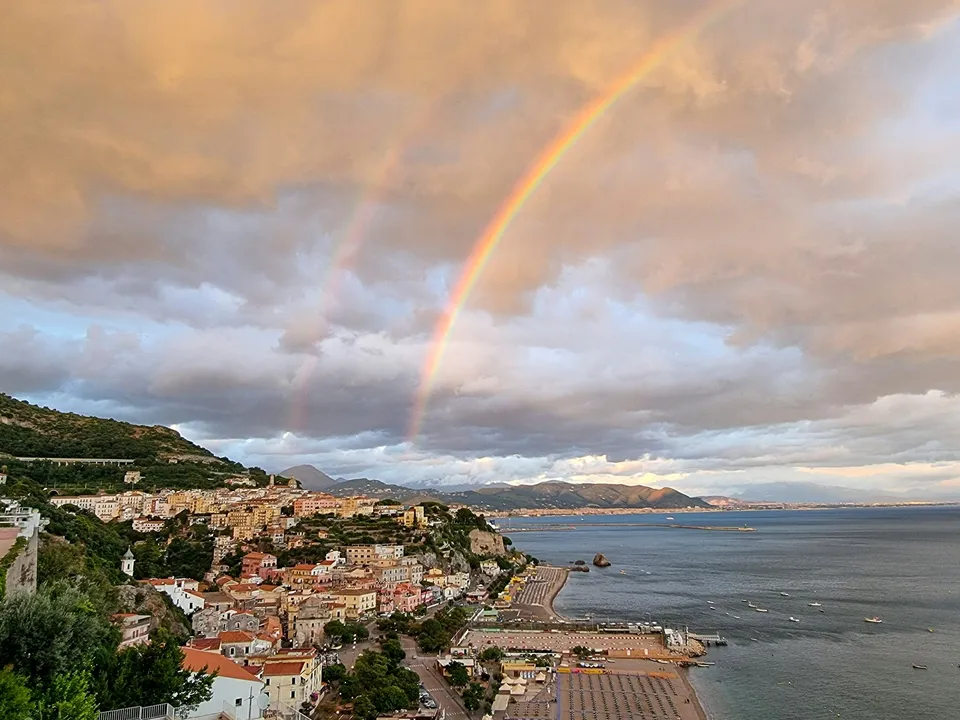
Anyone arriving from Salerno finds in Vietri the Coast’s first real threshold. The town stretches between the hill and the sea, with the hamlets of Raito, Albori and Dragonea scattered along the slopes.
Unlike other places on the coast, here the common thread is ceramic art: it is not an isolated attraction, but a widespread presence that accompanies every walk. It is worth keeping this in mind when planning your visit, because the best stops are those where maiolica is part of the town’s everyday life.
The center and maiolica in the open air
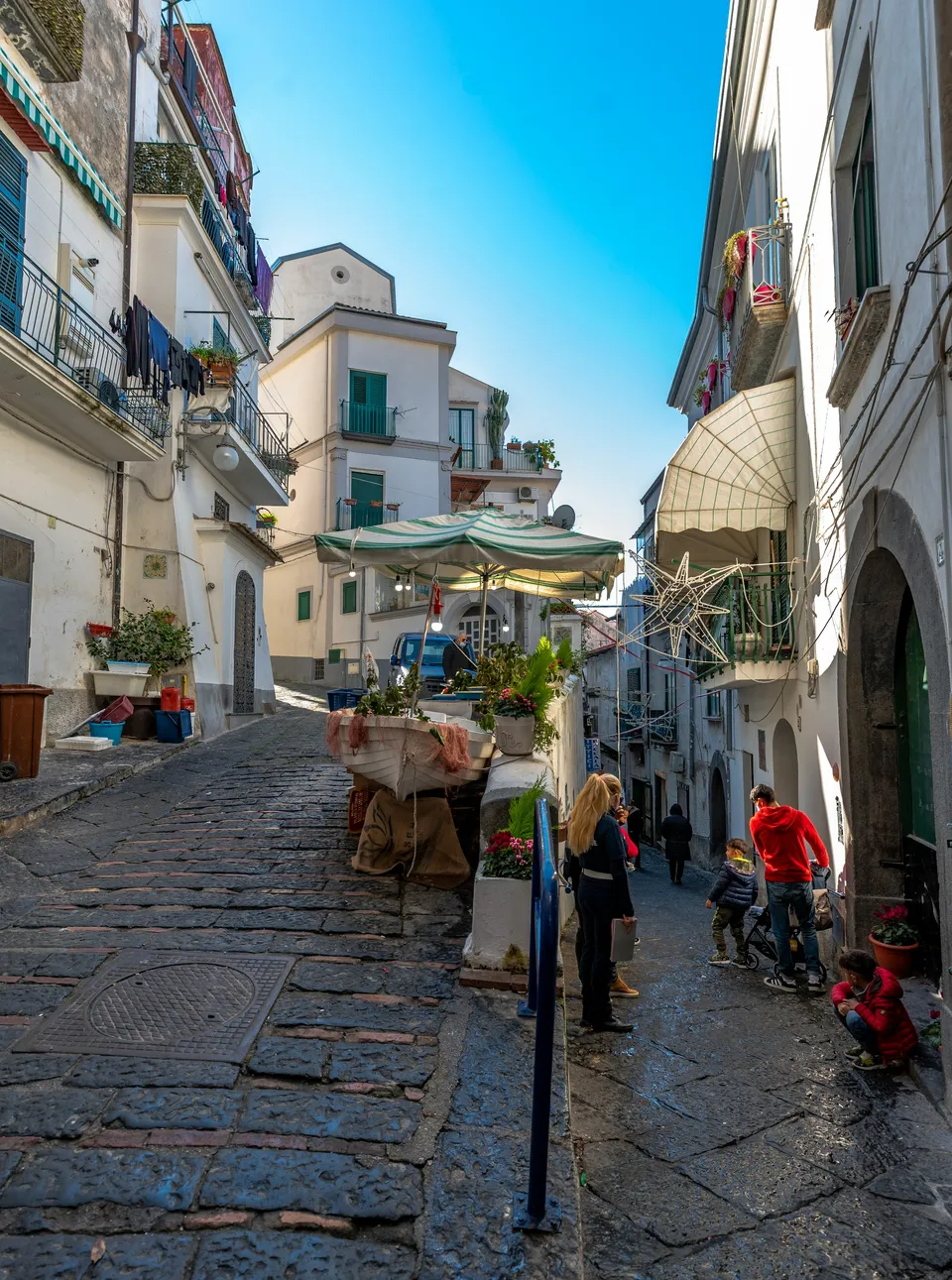
The heart of Vietri is best explored on foot, without hurry. Along the streets of the center, workshops and shops selling artistic ceramics alternate, with signs, plaques and majolica decorations turning the town into an open-air gallery.
The rule is to look up and to the side as well: panels, house numbers and facade details tell the story of a living craft tradition. For the history of this production and for the workshops, we refer you to the dedicated feature; here, just let your eyes lead the way.
San Giovanni Battista and its dome
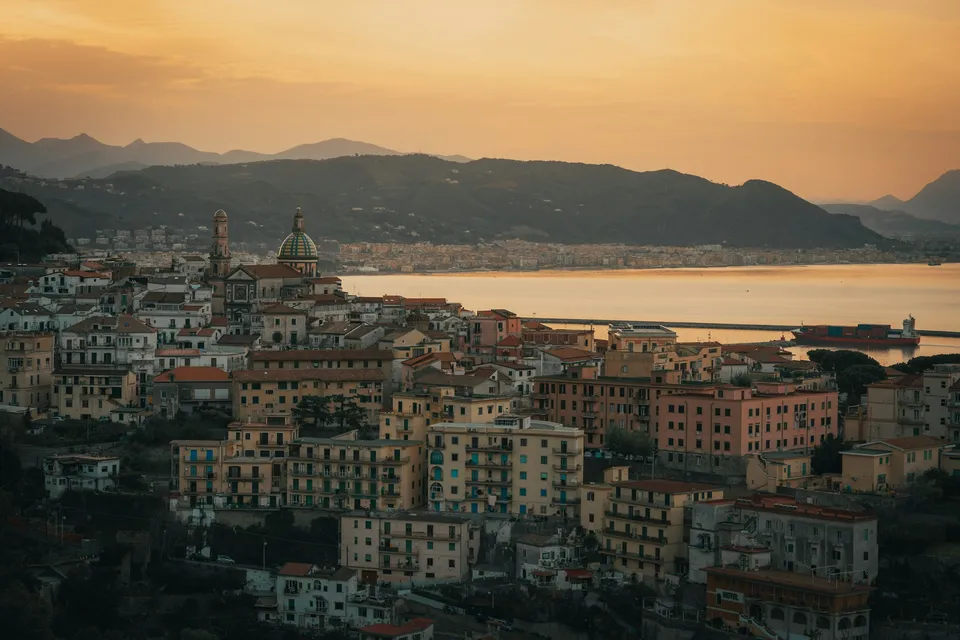
Among the town’s landmarks stands the church of San Giovanni Battista, recognizable by its dome covered in majolica tiles. It is the clearest example of how, in Vietri, ceramics are not only a craft object but also an architectural material.
The dome can be seen from several points in town and also from the sea, and it deserves a close stop. Before going in, always check opening hours on the parish’s or the Comune’s official channels, especially when religious services are taking place.
Paolo Soleri’s architecture
For architecture lovers, Vietri holds a surprise: the building of a ceramics factory designed by Paolo Soleri, the architect who trained alongside Frank Lloyd Wright and later became known for his research on the ecological city.
It is an episode of 20th-century industrial architecture set in a landscape of small villages, and it reveals a side of Vietri that is less obvious than the postcard view. Since it is a production facility, it is best to check in advance whether interior visits are possible.
Raito and the Torretta of Villa Guariglia
In Raito, the hamlet overlooking the gulf, stands Villa Guariglia, whose Torretta houses the Museo della Ceramica. The museum places local production within a broader path, and we dedicate a separate article to it.
Even as a stop along the way, the climb to Raito helps you understand Vietri’s geography: not a single center, but a cluster of villages at different elevations, united by the view of the sea.
Marina di Vietri and the Due Fratelli
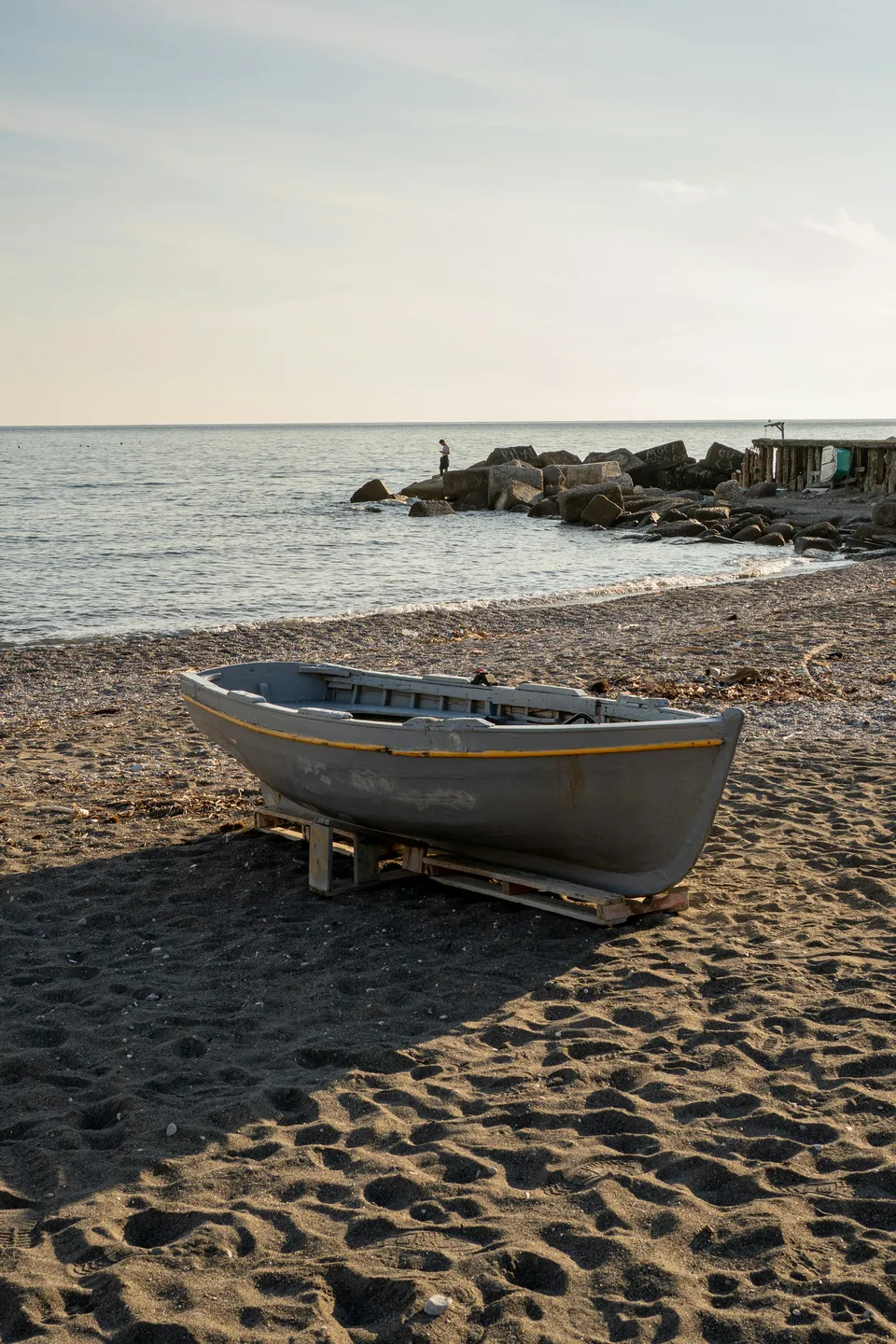
Heading down toward the coast, you reach Marina di Vietri, with its beach and the landscape marked by the Due Fratelli, the two rocks rising off the shore.
It is the right place to end the visit, when the light softens and the colors of the houses seem gentler. For details on the beach and its features, you can find a dedicated article in the series.
Practical tips for your visit
Vietri is easy to reach by public transport: there is a railway station on the line to Salerno, and the town is served by SITA buses. Timetables, services and any changes should always be checked on the operators’ official websites.
What to pack
- comfortable shoes, because the town is made of climbs and stairways
- a hat or sun protection in the warmer months
- a little extra time to step into the workshops and look around at your own pace
If you plan to explore the higher hamlets, keep in mind that the changes in elevation are noticeable: it is better to spread the stops throughout the day.
Frequently asked questions
What shouldn’t I miss in Vietri sul Mare if I have little time?
The center with its workshops and majolica decorations, the church of San Giovanni Battista with its ceramic-covered dome, and a sea view at Marina di Vietri. If you have time left, head up to Raito for the Torretta of Villa Guariglia.
Can you visit Vietri sul Mare on foot?
The center is suitable for a walk on foot, but the area is hilly and the hamlets are at different elevations. To get around, you can use public transport, checking timetables and services in advance on the official channels.
Sources and useful links
Times, prices and services can change: always check with the official sources before you travel.
Updated: 2026-10-26