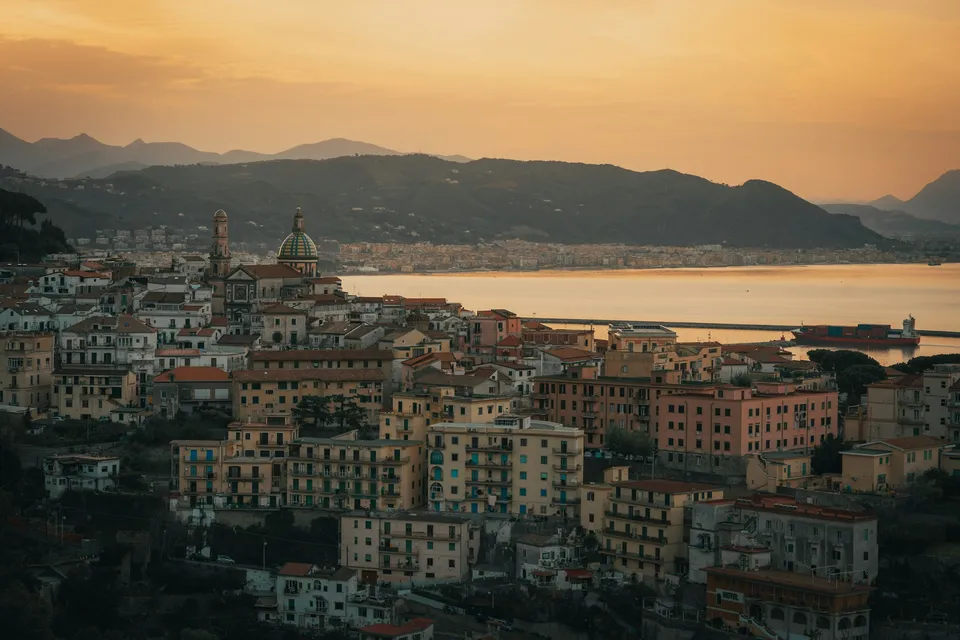
A museum suspended over the gulf
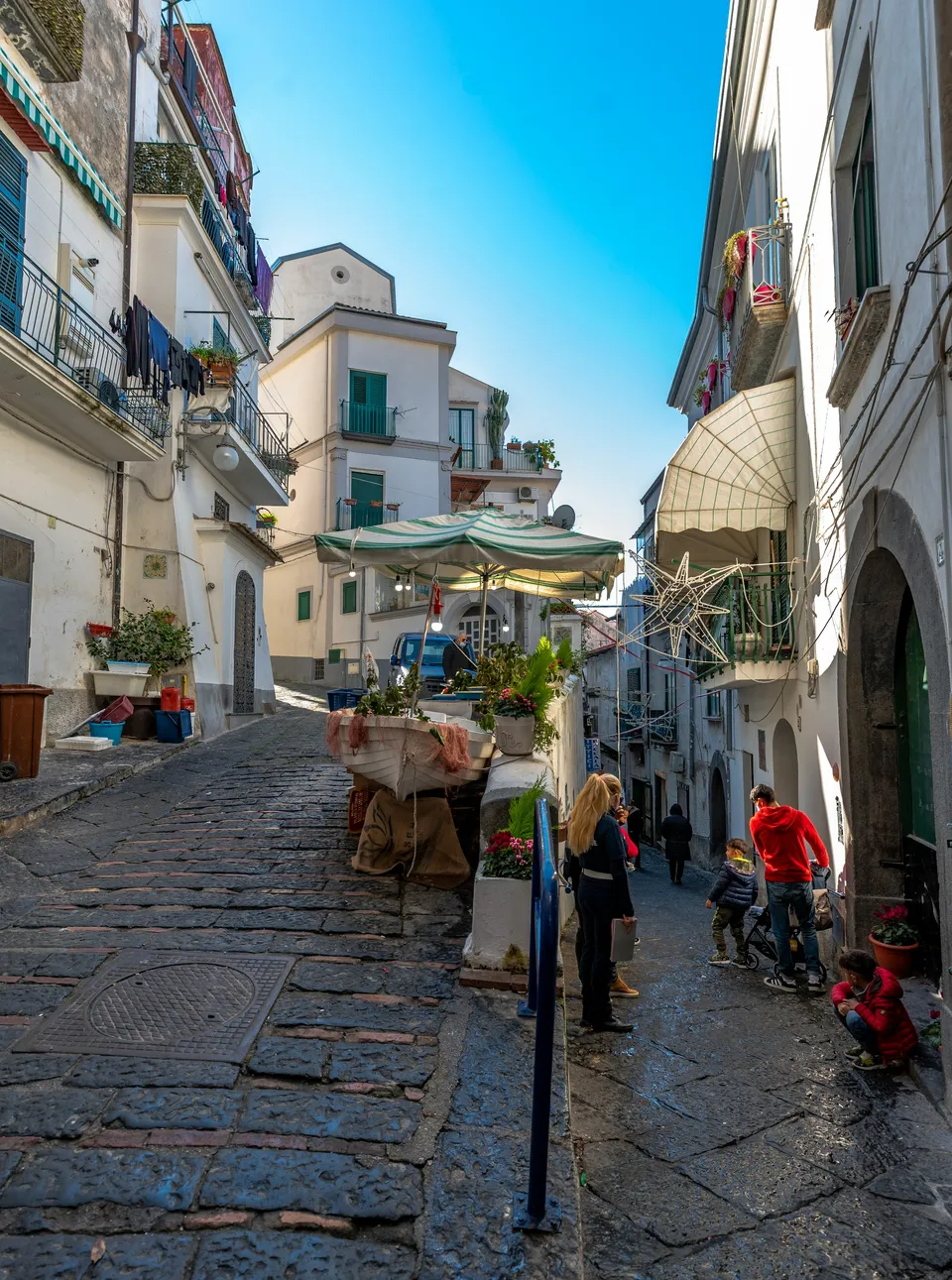
Vietri sul Mare is the first town of the Amalfi Coast when coming from Salerno, and its fame is tied to artistic ceramics. Workshops, signs, and majolica decorations tell its story in the streets. To read it more deeply, though, you need a place that brings it into focus, and you will find that in Raito.
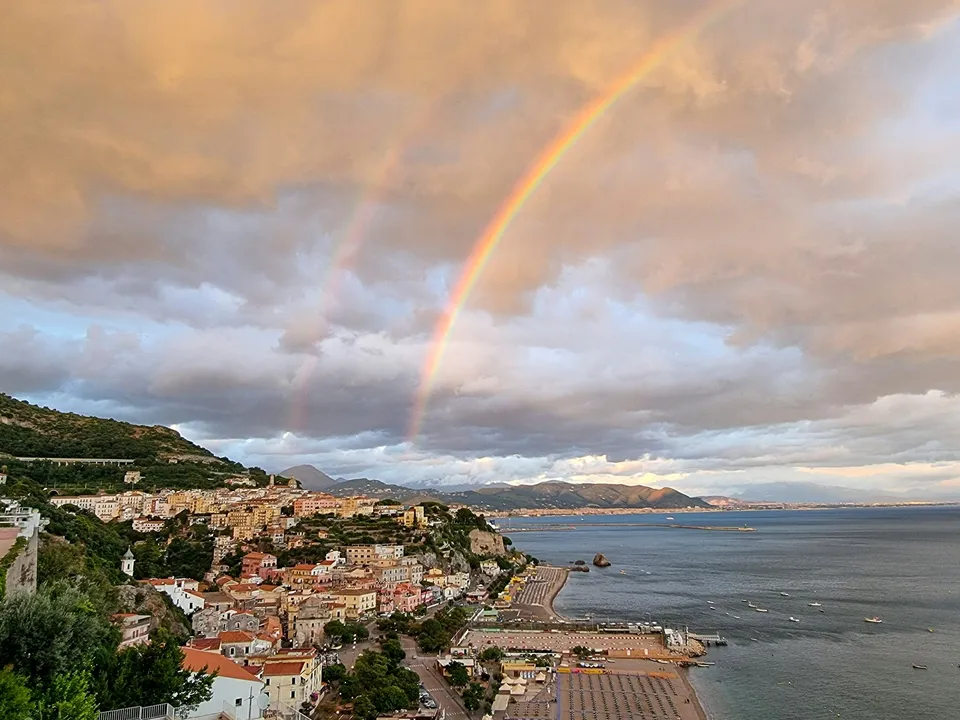
The hamlet sits higher than the sea at Marina di Vietri. The climb brings a different rhythm: less pedestrian traffic, more greenery, and a light that invites you to slow down.
The Tower of Villa Guariglia
The museum is housed in the Tower of Villa Guariglia, a residence named after diplomat Raffaele Guariglia. The setting matters as much as the works: you enter a historic villa, not a purpose-built exhibition building, and that gives the visit an intimate, domestic tone.
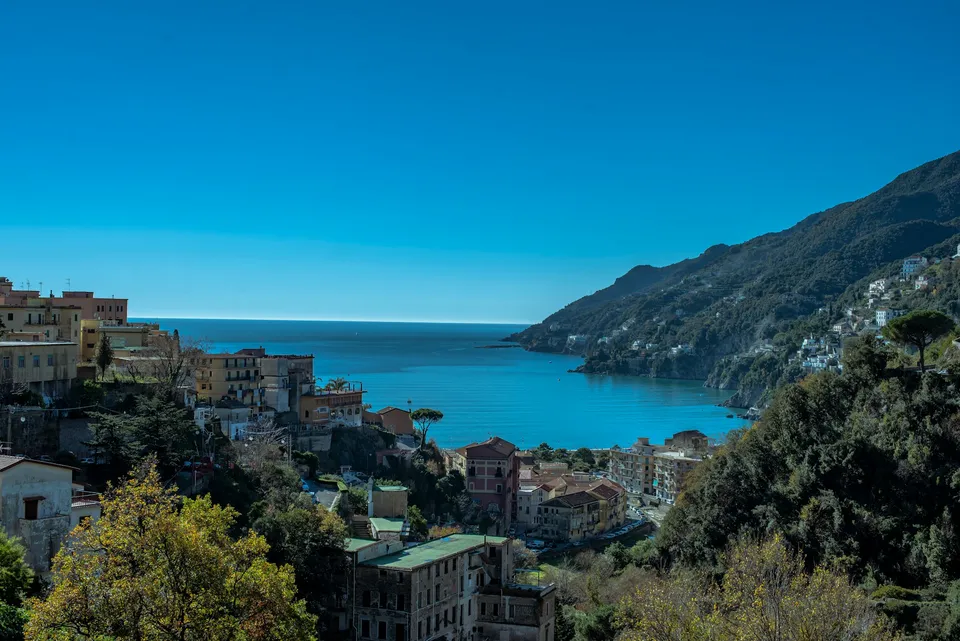
The villa is surrounded by a garden overlooking the Gulf of Salerno. Before or after the rooms, it is worth spending a few minutes outdoors, bearing in mind that access to the spaces and gardens may vary: it is best to check beforehand.
What the collection tells
The museum is dedicated to the ceramic production of Vietri. Its value lies in showing utilitarian objects and research pieces together: plates, vases, jugs, and panels grow out of a craft tradition that, in the twentieth century, opened to dialogue with artists and designers.
Do not expect a monumental route. This is a museum to be viewed calmly, lingering over the details: the brushstroke, the glaze, the way a popular motif is simplified until it becomes a graphic sign.
The German years and the twentieth-century turning point
One of the best-known chapters in Vietri’s history is the so-called German period. Between the 1920s and 1930s, ceramicists and artists from German and Central European backgrounds arrived in town, including Richard Dölker and Irene Kowaliska. They brought a new outlook to decoration, more essential and modern.
Look in the rooms for this meeting between local taste and European sensibility. It explains why Vietri ceramics are not merely folkloric: they carry a season of experimentation.
How to look at a Vietri piece
A few simple pointers help you find your bearings.
- Observe the subjects: everyday scenes, animals, sea, and vegetation often recur in Mediterranean decoration.
- Look at the colors: on majolica, the palette lives on the contrast between glaze and paint.
- Notice the surfaces: irregularities are part of handwork and its signature.
- Compare: the utilitarian piece and the artistic one often share the same hand, but not the same intention.
In this way, each room becomes a small exercise in looking.
Before going up to Raito
Opening hours, days, admission methods, and accessibility may change during the year. Before you go, consult the official channels of the Municipality of Vietri sul Mare or the museum.
Raito can be reached from the center of Vietri; the railway station on the line to Salerno and SITA buses are the reference points for getting around, but connections and frequencies should also be checked on official sources. Comfortable shoes are a good idea: the hamlet is on a slope.
After the museum: completing the route
With a clearer idea of ceramics, head back toward the town. The Church of San Giovanni Battista, with its majolica dome, shows how majolica entered architecture; the Solimene factory, a building designed by architect Paolo Soleri, offers a more modern and unusual reading of it.
The museum works as a key: what was once a colorful souvenir becomes a craft with a history, and the workshops in the center are seen with different eyes.
Frequently asked questions
Where is the Museum of Ceramics of Vietri sul Mare located?
It is in Raito, a hamlet of Vietri sul Mare, in the Tower of Villa Guariglia. It stands in an elevated position, with views over the Gulf of Salerno.
How much time do you need to visit it?
It is a small museum to be visited at a leisurely pace. Add time for the garden and for the trip up to Raito. For opening hours and access conditions, consult the official sources.
Which artists are linked to twentieth-century Vietri ceramics?
The German period is the best-known chapter: among the artists who worked in Vietri were Richard Dölker and Irene Kowaliska. To know which works are currently on display, ask the museum.
Sources and useful links
Times, prices and services can change: always check with the official sources before you travel.
Updated: 2026-10-26