Beyond the center: the higher Vietri
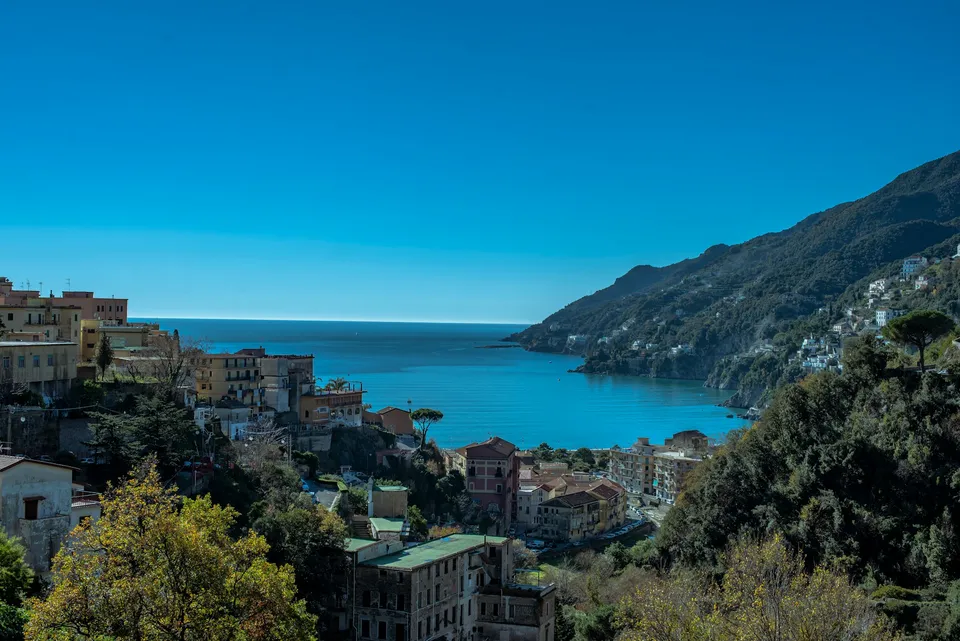
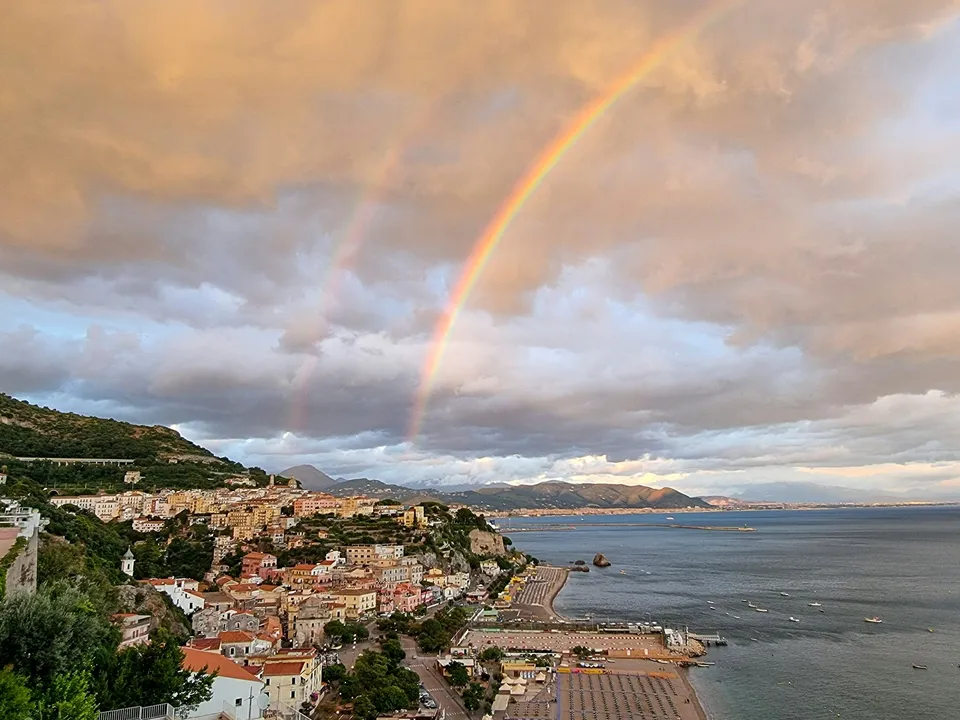
Vietri sul Mare is the first town on the Amalfi Coast coming from Salerno, and its best-known image is that of the ceramic workshops and the seafront. But the municipal area also extends uphill, in a series of hamlets: Raito, Albori, and Dragonea.
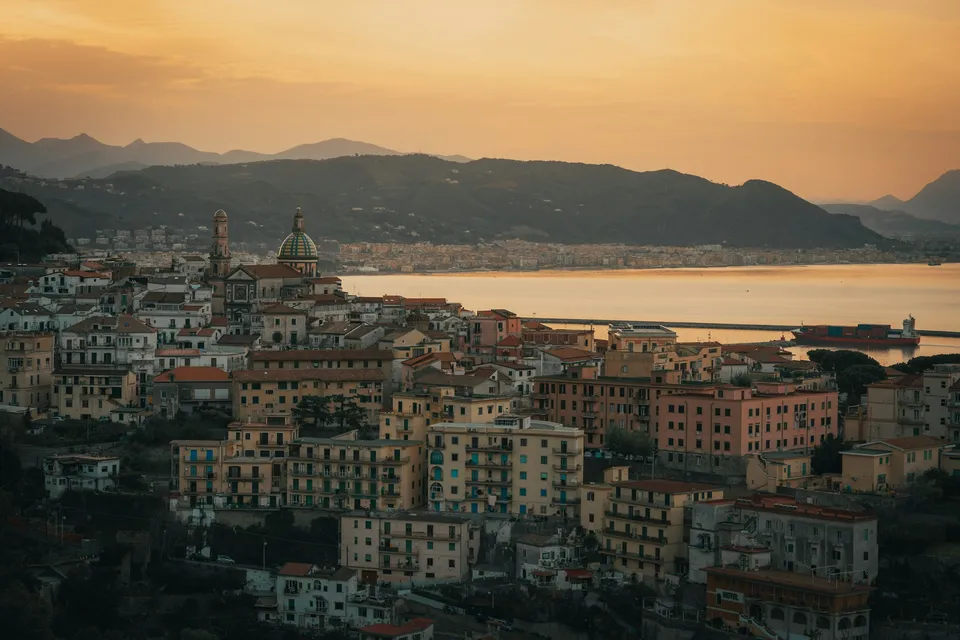
Here the pace changes. The streets narrow, the houses rise in tiers on the hillside, and the noise of center-city traffic fades. It is another side of Vietri, suited to those who have already seen the seafront and want to understand how life unfolds on this side of the coast.
Raito: villa, gardens and maiolica
Raito is the hamlet most closely tied to Vietri's cultural history. Here stands Villa Guariglia, whose little tower houses the Ceramics Museum, to which our series dedicates a separate feature.
Even without going into a museum, the village is worth a slow walk. Between dry-stone walls, sudden viewpoints, and small glimpses of the sea, it becomes clear why ceramics were born and grew in a place like this: the light, the colors of the landscape, and the white surfaces of the houses are the natural backdrop for those decorations.
Albori: the balcony village
Albori lies farther up the hill, in the direction of Cetara, and is the village that best embodies the idea of a balcony over the sea. The houses lean out over the slope, and from the most open points the view drops all the way to the Gulf of Salerno.
It is a place to cross on foot, with no fixed destination: compact little squares, stairways, covered passages, and private terraces that appear between one house and the next. Its charm lies more in everyday details than in monuments.
Moving between the hamlets
Vietri is well connected: the railway station on the line to Salerno makes it possible to arrive without a car, and SITA buses serve the area and the coast. To reach the hill hamlets, however, it is best to check routes and stops in advance.
What to know before heading up
- The roads are narrow and winding: driving and parking can be difficult, especially during busier periods.
- Comfortable shoes are essential: stairs and climbs are part of the landscape.
- Public transport timetables and services change with the seasons: always check the transport companies' official websites.
- If you plan to move along paths, verify with the Municipality or official sources that they are passable.
What to notice while walking
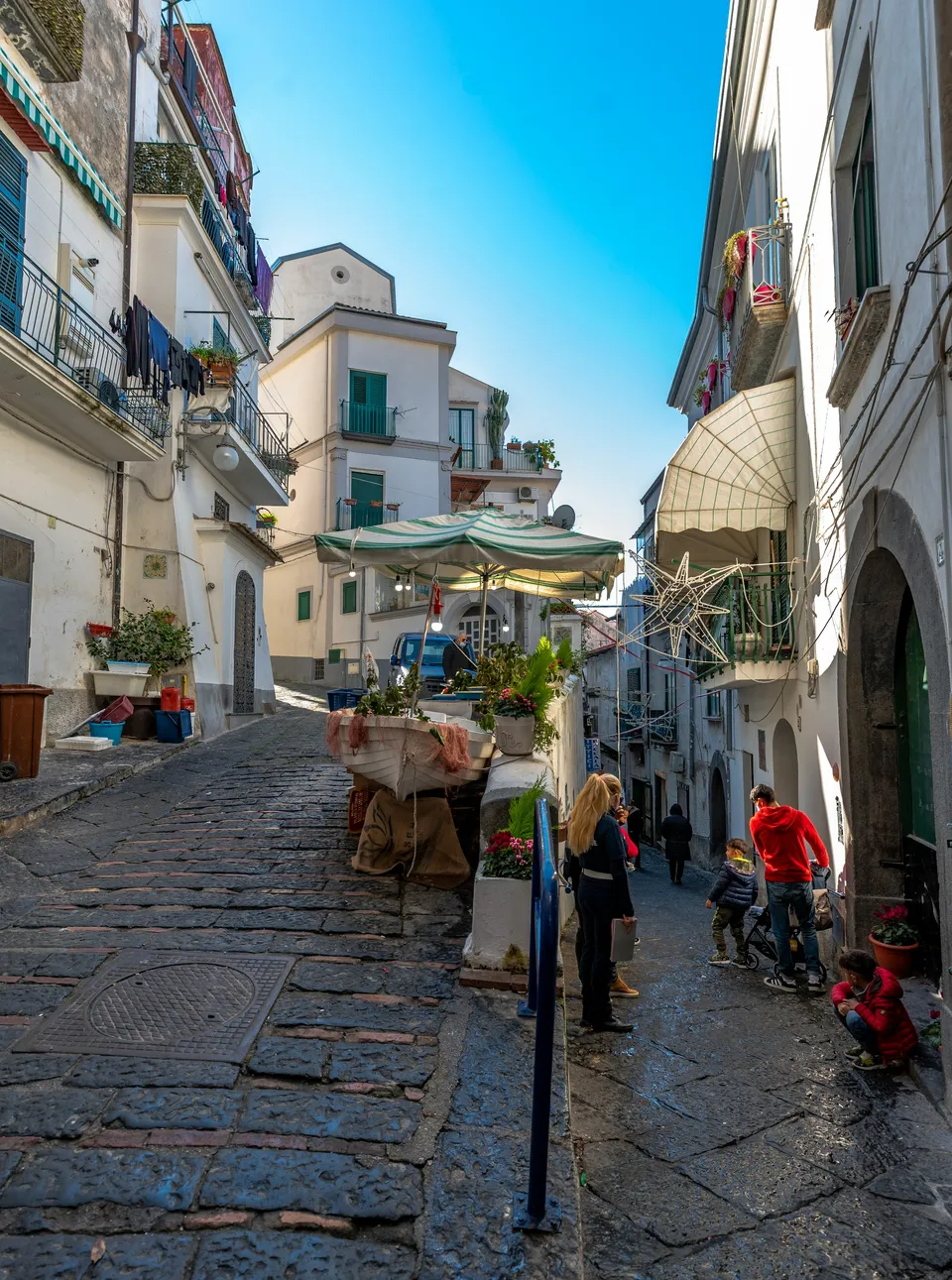
The beauty of these villages is that they demand attention. Look up and you will find signs, plaques, and maiolica decorations applied to walls and entrances, a sign of how deeply ceramics have become part of the town's identity.
Then look at the terraces, typical of the whole Coast: small steps supported by dry-stone walls, carved out of the slope by generations of work. And do not overlook the light: early morning and late afternoon soften the colors and sharpen the outline of the coast.
Dragonea, the inland soul
Dragonea completes the picture of Vietri's hamlets and has a more inland, less touristy character. It does not offer the sea-facing scenery of Albori, but it lets you see a more everyday side of the area.
If you have limited time, choose one or two hamlets and explore them slowly, rather than trying to visit them all in a hurry: the meaning of these places comes through in slowness.
How to experience these villages respectfully
Raito and Albori are inhabited places, not postcard backdrops. Speak quietly in the lanes, do not enter private courtyards and terraces, and if you photograph people, always ask permission.
For a more enjoyable experience, choose the less crowded hours and allow plenty of time for uphill and downhill walks. Before setting out, check official sources for any extraordinary openings, transport changes, or access restrictions.
Frequently asked questions
Can Albori and Raito be reached without a car?
In general, yes: Vietri has a station on the line to Salerno and the area is served by SITA buses. For the hill hamlets, it is best to check stops, services, and seasonal changes in advance on the official transport websites.
How much time is needed to visit the two villages?
It depends on your pace, but it is best to dedicate a calm walk to each one, taking stairs and elevation changes into account. If you also want the Ceramics Museum in Raito, check opening days and hours beforehand.
What is the difference between Raito and Albori?
Raito is linked to Villa Guariglia and the Ceramics Museum, so it has a stronger cultural identity. Albori, farther on toward Cetara, is the village of narrow lanes and open views over the gulf.
Sources and useful links
Times, prices and services can change: always check with the official sources before you travel.
Updated: 2026-10-26