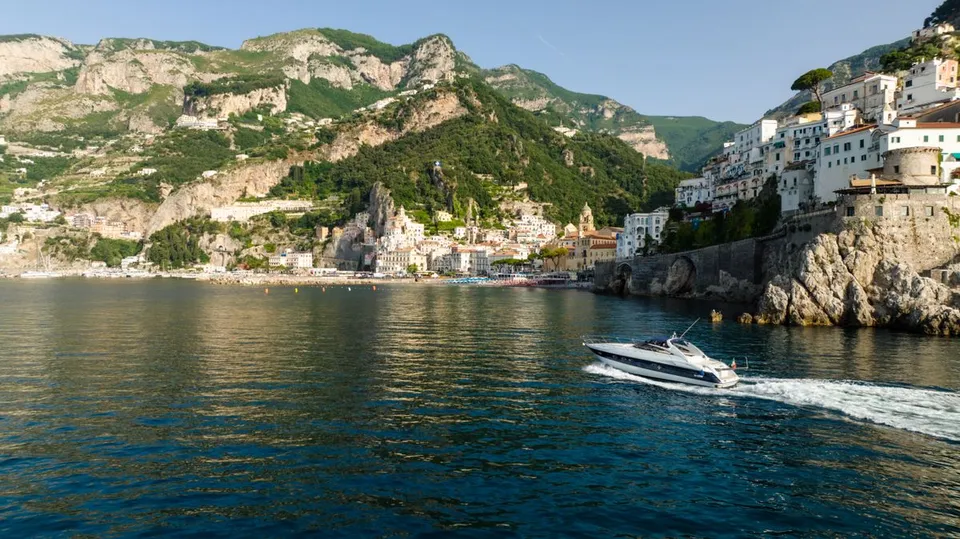
Two directions, two rhythms
From Salerno you can head south, toward the plain that leads to Cilento, or west, where the coast begins to rise. Paestum is an excursion of stone, grass, and silence, with the slow pace of those walking among ruins. Vietri, by contrast, is made of stairs, alleys, and colors, and it is best visited without haste, pausing in the workshops and in front of the sea.
The two destinations can be chosen according to the season and your mood: the first requires a bit of walking outdoors, while the second is also well suited to a cloudy morning.
Paestum: from Greek Poseidonia to the Roman city
Paestum began as Poseidonia, a colony founded by the Greeks between the 7th and 6th centuries BC. Later it came under Lucanian control and then, in the 3rd century BC, under the Romans, who called it Paestum. The archaeological site is included on the UNESCO World Heritage list, together with the Cilento National Park.
The area is flat and broad, with stretches of city walls still clearly visible. You walk among buildings from different eras, and the overlap of Greek and Roman is one of the most interesting aspects of the visit.
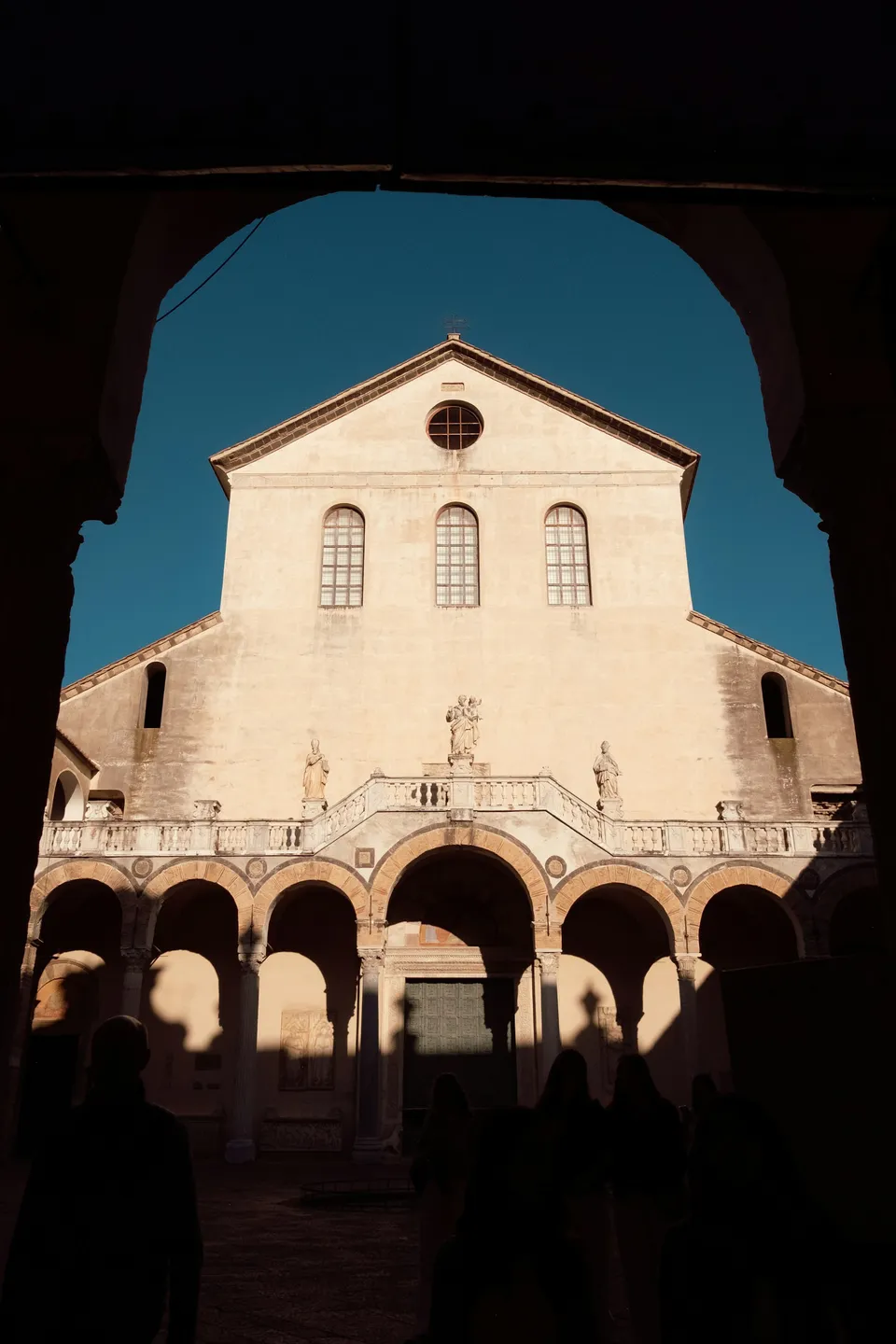
The three Doric temples
The heart of the site is made up of the three great temples in Doric style, built between the 6th and 5th centuries BC. They are a short distance from one another and are best appreciated by walking around them, because the light changes the color of the stone throughout the day.
What to look at
- The columns with their slightly bulging profile, which in the older temples give an impression of great solidity.
- The size of the colonnades, still largely standing, which makes it possible to imagine the original volume of the buildings.
- The contrast between the temples and the open landscape, with no modern buildings close by.
In the past, the buildings were given names linked to Neptune and to a basilica, attributions now superseded by scholarship: in guidebooks you will often find them referred to as the temples of Hera and Athena.
The museum and the Tomb of the Diver
The National Archaeological Museum of Paestum completes the visit and is well worth a stop. It preserves the famous Tomb of the Diver, dating to around 480 BC: a fresco-painted burial chamber, with the scene of a young man diving, among the rare testimonies of Greek painting from the archaic period that have come down to us.
Whether to see the museum first or the temples first is a matter of taste: starting from the site helps you grasp the landscape, ending at the museum lets you put a face to those who lived in those spaces.
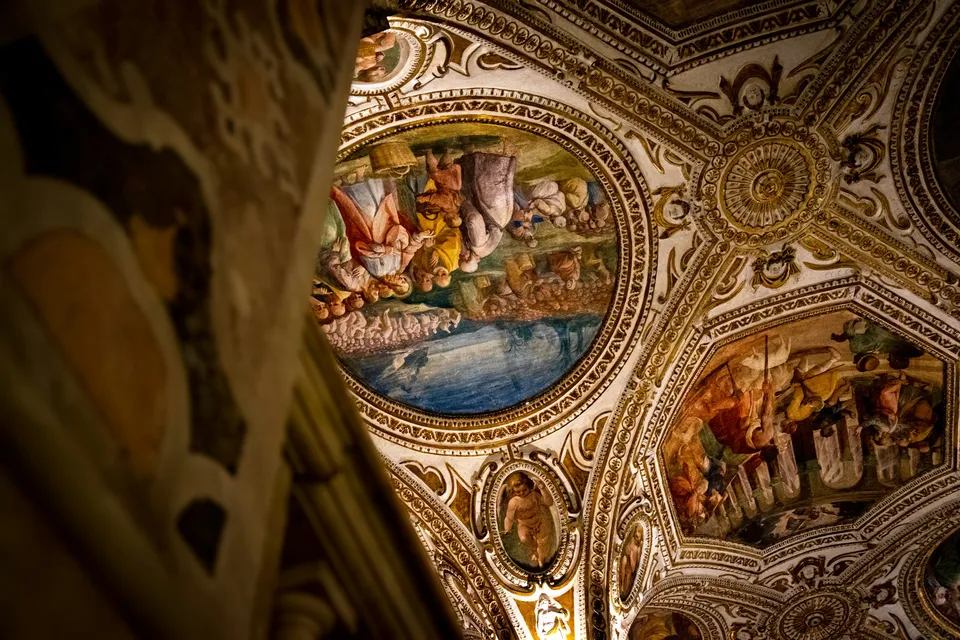
How to organize a trip to Paestum
Paestum lies south of Salerno, in the Sele plain, and can be reached by train or by road connections. Timetables, frequencies, and days of service change throughout the year: it is best to check the Trenitalia website and those of local transport companies before leaving.
For the visit you will need comfortable shoes, a hat, and water in the hot months, because shade is scarce. Opening hours, ticket office information, and access to the site and museum should be checked on the official portal of the Archaeological Park of Paestum and Velia. Those who wish can combine the trip with a taste of the dairy products of the plain, the land of buffalo mozzarella.
Vietri sul Mare: the gateway to the Coast
Vietri sul Mare is the first town on the Amalfi Coast when arriving from Salerno, just a few kilometers from the provincial capital. The center is a small tangle of uphill streets, little squares, and views opening onto the gulf.
One symbol of the town is the church of San Giovanni Battista, with its cupola covered in colorful majolica, standing out against the sea and the houses. Down below, Marina offers a stretch of beach and an easy walk, suitable for those looking for a relaxing outing.
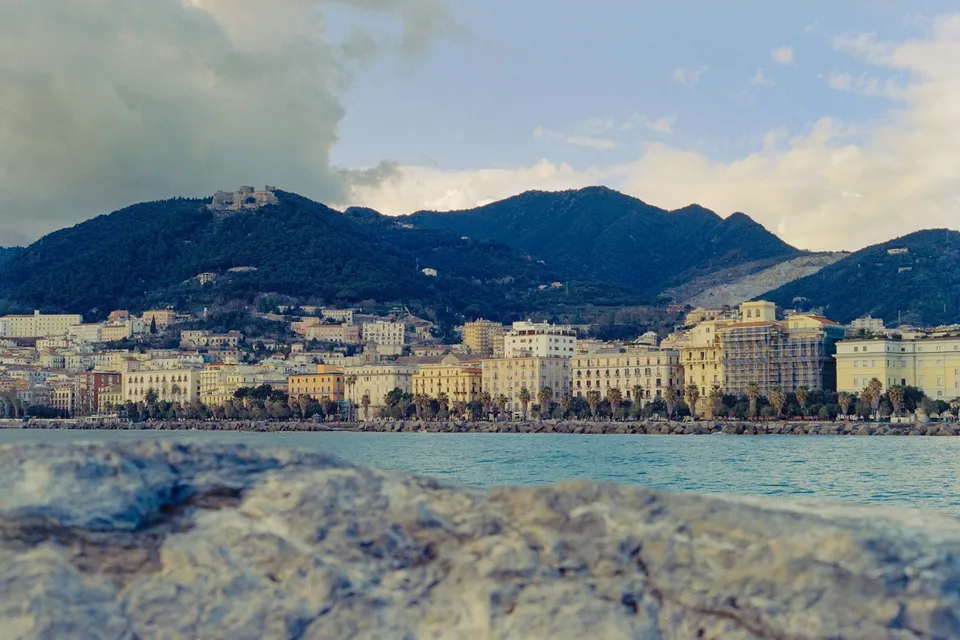
Vietri ceramics
Vietri is known throughout Italy for its ceramics, a craft tradition that over the centuries has shaped hand-painted plates, tiles, and objects. In the 20th century the town also attracted foreign artists, especially from German-speaking areas, who helped renew the decorative motifs.
As you stroll around, you will encounter tiled panels and façades, as well as workshops where you can watch decorators at work. Those who want to delve into the history of this production can inquire about the ceramics museum housed in a villa in the municipal area, always checking opening days and hours on official channels.
How to combine the two excursions
For those who have only one day, the most convenient solution is to split the program: Paestum in the morning, when the light is good and the heat still bearable, and Vietri in the afternoon, for a stroll among the workshops and a sunset over the sea. With more time, it is better to devote a full day to each destination.
Vietri can be reached from Salerno by train or bus, as well as by car. Here too, for connections and timetables, official transport sources are authoritative.
Frequently asked questions
Can Paestum be visited in half a day from Salerno?
Yes, it is feasible as a half-day trip, including the three temples and the museum at a relaxed pace. It is advisable to check connections and opening hours in advance on official channels.
Can Vietri sul Mare be reached without a car?
Yes, from Salerno it is connected by rail and road public transport. For updated frequencies and timetables, consult the transport operators’ websites.
Which of the two excursions is more suitable for a day of bad weather?
Vietri, because among shops, workshops, and a possible museum it offers more indoor spaces. Paestum is experienced mainly outdoors and is at its best in fine weather.
Sources and useful links
Times, prices and services can change: always check with the official sources before you travel.
Updated: 2026-10-26