An 11th-century cathedral
The cathedral was founded in the 11th century, when Salerno was one of the most important cities in the Mezzogiorno. Tradition links it to the will of Robert Guiscard, the Norman leader who made the city a center of his power, and to Pope Gregory VII, who consecrated it.
Over the centuries, the building changed greatly: after damage from earthquakes and shifts in taste, the interior took on the Baroque appearance we see today. Yet beneath the later decoration, the medieval layout remains, and in several places the cathedral reveals the layers of its history.
The atrium and the Romanesque bell tower
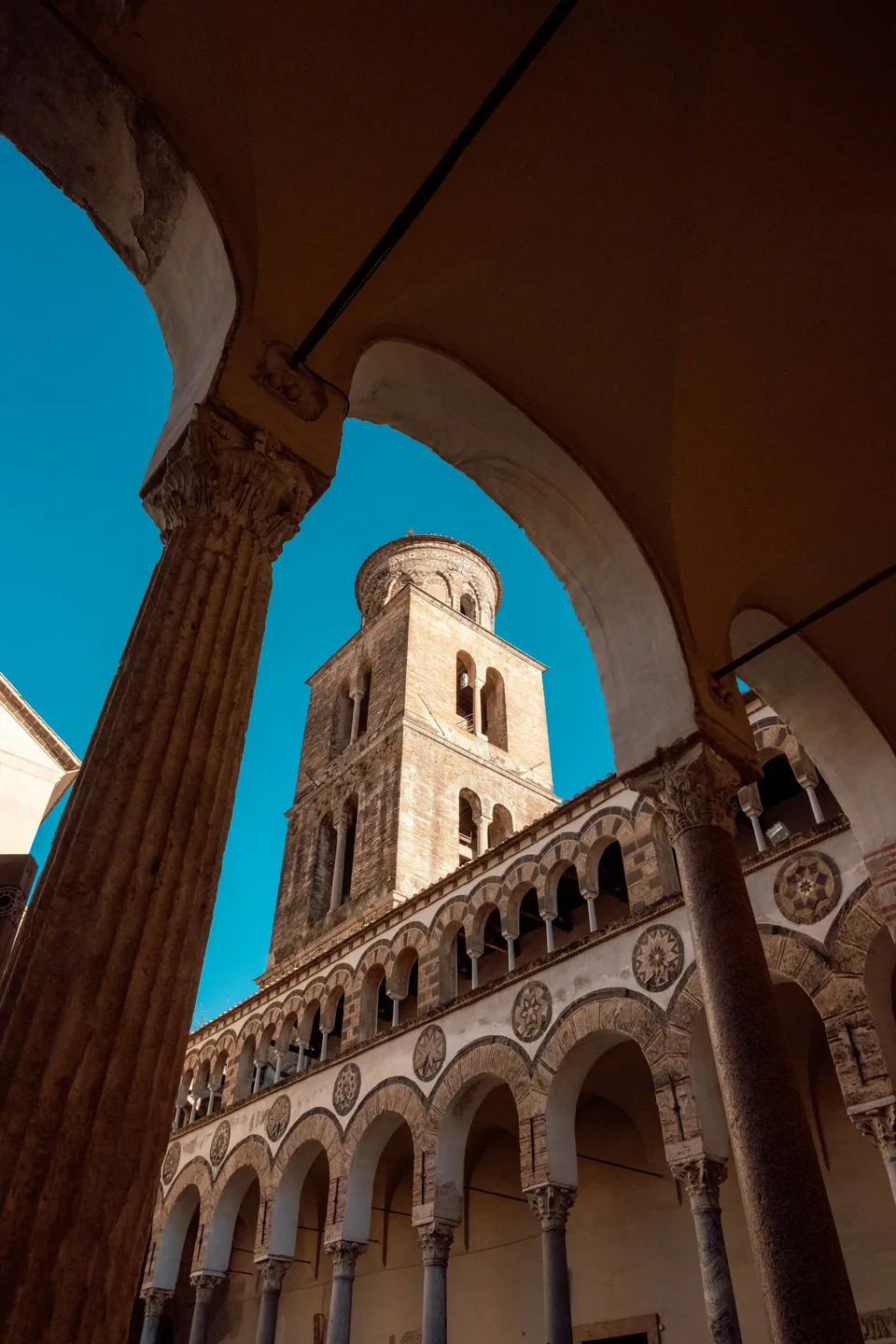
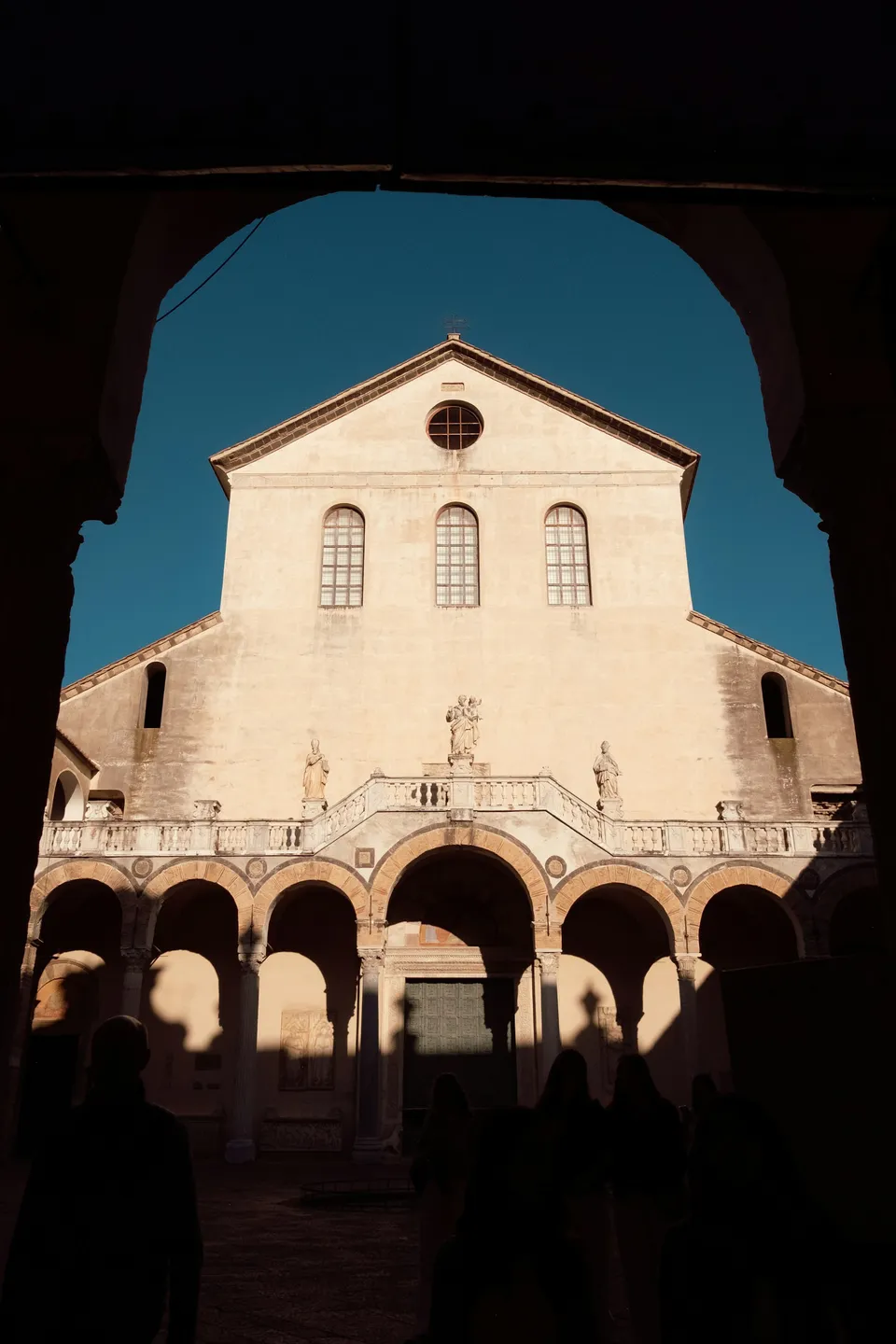
You enter through a large square atrium surrounded by porticoes, with columns and arches. It is an intimate place, a small cloister open to the city, where you can pause for a moment before entering the church.
On the side of the atrium rises the Romanesque bell tower, from the 12th century. The tower, with the arches of its upper levels, is one of the most recognizable outlines in the historic center. It is worth looking at from below, lifting your eyes, and then from one of the nearby lanes, when the tower appears among the rooftops.
The Lion Gate and the bronze portal
From the atrium you reach the main portal, called the Lion Gate because of the lion sculptures that flank it. The bronze doors are Byzantine workmanship and came from Constantinople: they recall the commercial and cultural ties that Salerno maintained with the eastern Mediterranean.
It is a detail that helps explain the medieval city: an open port and a center of exchange, not only a seat of Norman power.
Ambons and mosaics
Inside, alongside the Baroque lines, medieval elements of great value are preserved. Among the best known are the two large ambons, the pulpits from which sacred texts were read, and the candlestick for the Paschal candle. They are covered with mosaics of colored and golden tesserae and date to the 12th century.
It is worth observing them closely, in no rush: geometric motifs, animal figures, and decorative details tell of a refined art that combines Byzantine tradition with local taste.
The crypt of Saint Matthew
The spiritual heart of the cathedral is the crypt, where, according to tradition, the relics of the apostle and evangelist Matthew, patron saint of the city, rest. Devotion to the saint is ancient and still accompanies life in Salerno today.
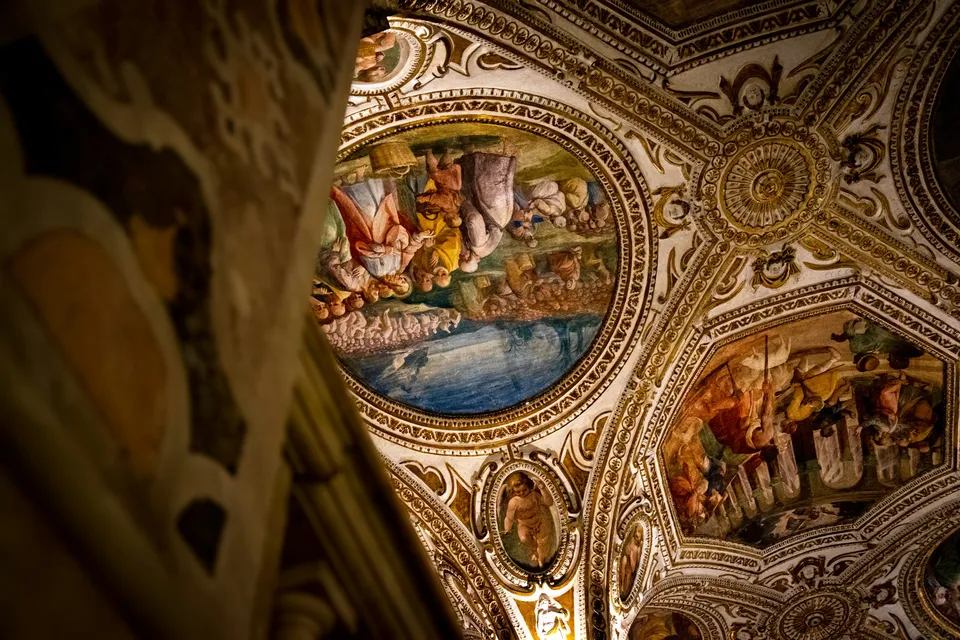
The space is decorated with polychrome marble and Baroque-style frescoes, the result of refurbishments carried out between the 16th and 17th centuries. The atmosphere is quiet: here you enter as if into a place of prayer, not a museum hall.
Gregory VII and the memory of the city
The cathedral also remembers Pope Gregory VII, who died in Salerno in 1085 and is buried there. His funeral monument, in a chapel of the cathedral, bears witness to the role the city played in the political and religious events of medieval Europe.
These presences help read Salerno as a historic capital, with its own identity, distinct from the better-known neighboring towns of the Coast.
How to visit it
The cathedral is in the historic center, a few steps from Via dei Mercanti, and can be reached on foot in a few minutes from the streets in the heart of the city.
- Remember that this is an active place of worship: modest clothing is required, with shoulders and knees covered.
- During services, some areas may not be accessible.
- Opening hours, access to the crypt, and visiting rules may change: always check the official channels of the diocese or the cathedral before going.
On September 21, the feast day of Saint Matthew, the city celebrates its patron saint with liturgies and a procession: if you are there at that time, check the official program.
Frequently asked questions
What can you see in Salerno Cathedral of Saint Matthew?
The porticoed atrium, the Romanesque bell tower, the portal with bronze doors, the ambons with 12th-century mosaics, and the crypt with the relics of the apostle Matthew. Pope Gregory VII is also buried in the cathedral.
Can you visit Salerno Cathedral freely?
It is an active church, so access may vary depending on services and liturgical needs. For hours and visiting arrangements, especially for the crypt, consult official sources. Respectful clothing is required.
When is the feast of Saint Matthew celebrated in Salerno?
On September 21. It is the feast of the patron saint and includes religious ceremonies and a procession. The program changes from year to year, so it is best to consult official announcements.
Sources and useful links
Times, prices and services can change: always check with the official sources before you travel.
Updated: 2026-10-26