A city that was once a capital
To understand the center of Salerno, it is worth starting with its history. It was an important Lombard center and later a Norman capital, and even today the layout of its streets preserves that memory. In the Middle Ages the city was also known for the Salernitan Medical School, which is discussed in the article dedicated to the Giardino della Minerva.
The result is a layered urban fabric: narrow streets, stepped passages, buildings that mix different eras. Do not expect a perfectly ordered open-air museum. This is a lived-in neighborhood, where monuments coexist with everyday life.
How to get there and where to start
The historic center is easily reached on foot from the main railway station, following the streets that descend toward the sea, such as corso Vittorio Emanuele. Even those arriving from the port are only a short distance from the first alleys.
A good way to proceed is to trace a loop: enter from the sea side, follow Via dei Mercanti along its main stretch, then branch off into the side streets that climb toward the hill. The area is compact and distances are short, but the changes in level and stairs make comfortable shoes useful.
Via dei Mercanti, the backbone
Via dei Mercanti is the symbolic street of the historic center. Pedestrian and lively at any hour of the day, it has had a commercial vocation for centuries, as its name suggests, and even today it is lined with workshops, shops, and small venues.
As you walk, look up: gateways, arches, balconies, and facades tell of successive transformations. Some buildings show traces of different eras layered on top of one another, and it is precisely this unevenness that gives the street its character. Walk it slowly, allowing yourself a few detours.
The alleys climbing toward the hill
The neighborhood’s most authentic charm lies in its side streets. From the main road, narrow alleys and ramps branch off toward the upper part of the city, where the Castello di Arechi dominates. The castle deserves a separate discussion and is covered in another article in the series.
Along these passages you come across glimpses of laundry hung out to dry, small religious shrines, and sudden little squares. These are residential places: moving discreetly and speaking softly is the most elegant way to visit them.
Churches and places of memory
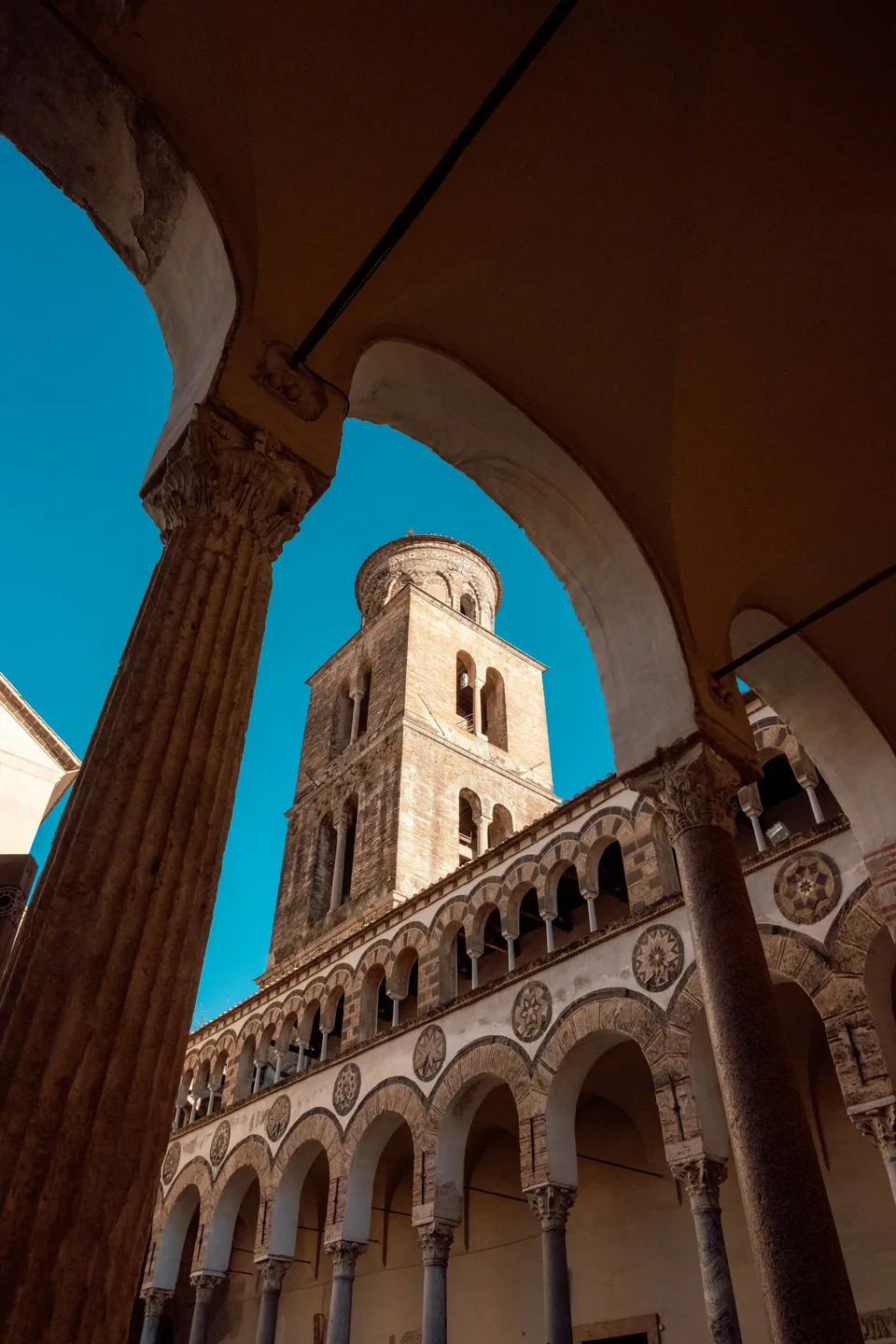
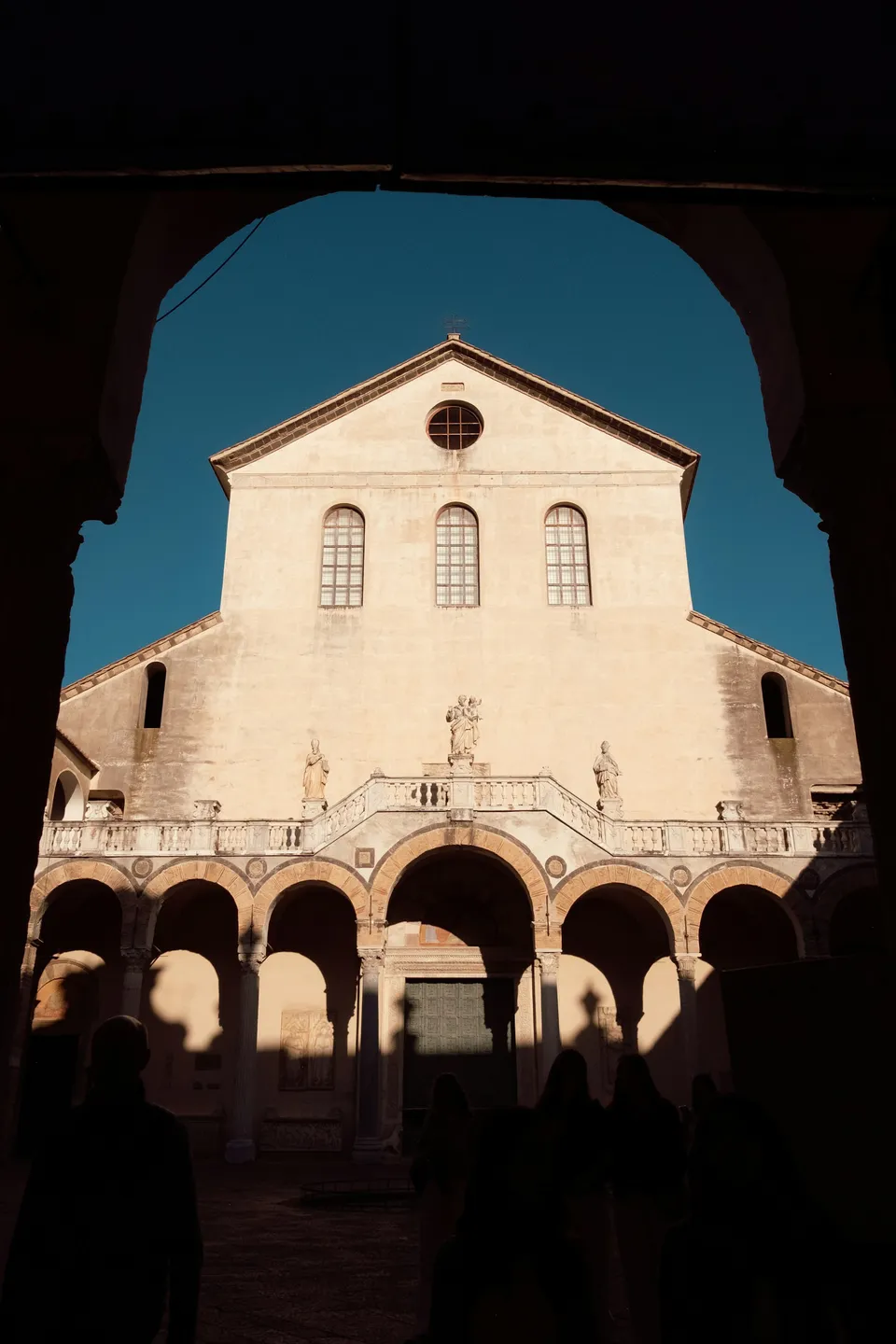
The monumental heart is the Duomo di San Matteo, which is covered in a separate article. But the historic center also preserves other, lesser-known landmarks.
San Pietro a Corte
The church of San Pietro a Corte is linked to the ancient palace of the Lombard period and allows you to read the city’s layering, with remains from different eras. It is a useful stop for those who want to go beyond the medieval facade.
Other churches in the neighborhood
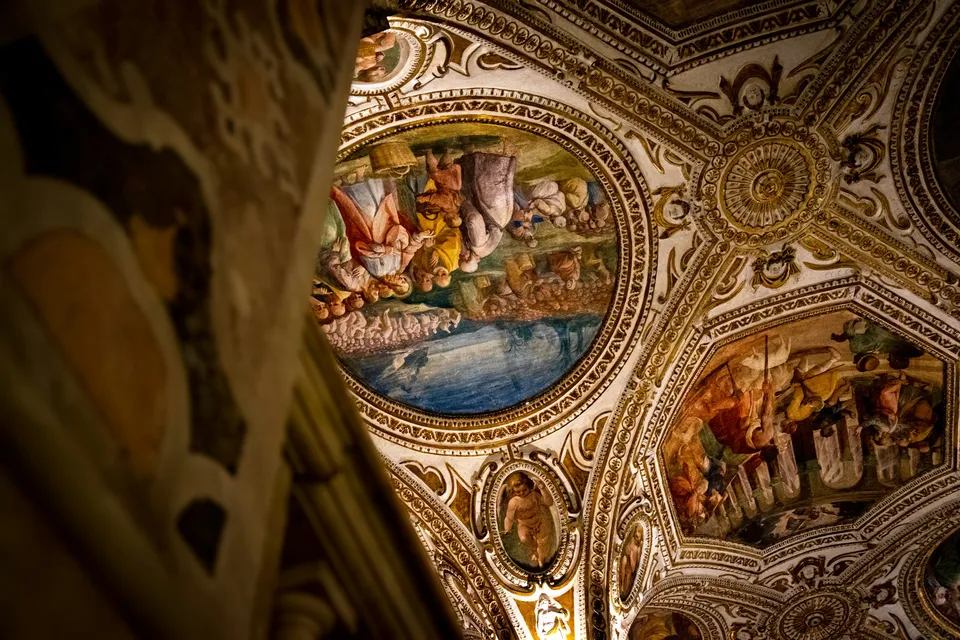
Along the streets you will encounter numerous churches and bell towers, often with interiors that are surprising compared with their sober exteriors. Opening hours vary and may change: always check first on the official channels of the diocese or the Comune.
Stops, workshops, and flavors
The historic center is also the right place to slow down. Between one church and another alley, you will find artisan workshops, bakeries, grocery shops, and places where you can stop for a coffee or a snack.
Look for local Campanian products: baked sweets, fresh cheeses, vegetables, and citrus fruits from the area. It is better to choose places frequented by the people of Salerno, recognizable by the daily comings and goings, rather than restaurants with tourist menus displayed in the street.
When to go and how to plan the visit
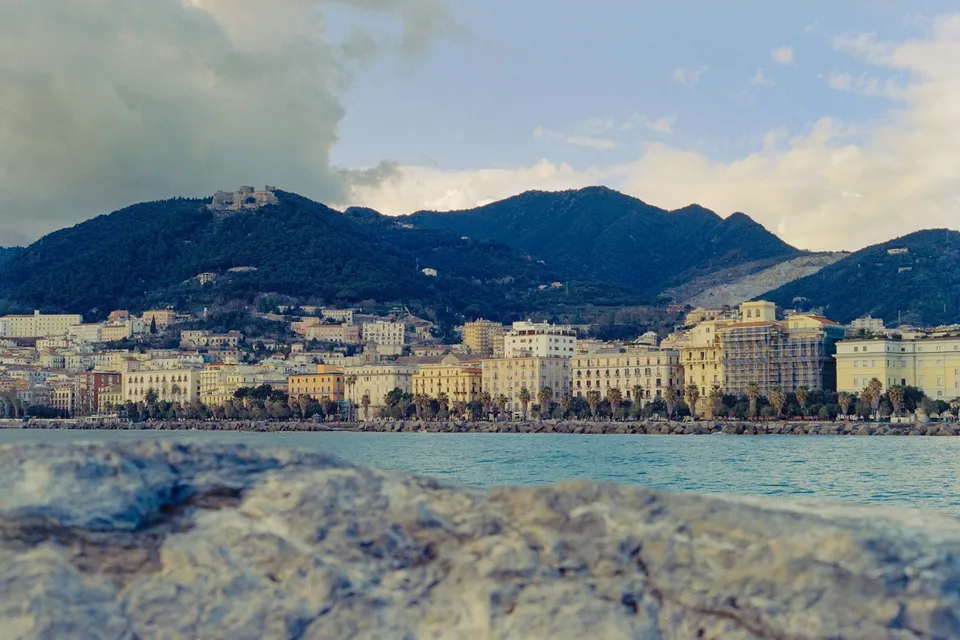
The center can be visited in any season. In the morning the light is clear and the streets are quiet; toward evening the neighborhood comes alive and the atmosphere becomes more convivial. In winter the city dresses up with artistic illuminations, a theme covered in the dedicated article.
A well-planned visit takes only a few hours, but those who love observing details can devote half a day. Since the opening hours of churches and sites may change, and some areas may be affected by work or events, it is wise to consult the official sources of the Comune and of the individual places before setting out.
Frequently asked questions
Can Salerno’s historic center be visited on foot?
Yes, it is compact and Via dei Mercanti is pedestrianized. Some alleys have steps and slopes, so comfortable shoes are recommended.
How much time is needed to visit the historic center?
For a stroll with a few stops, a few hours are enough. Those who want to enter the churches and pause in the workshops can dedicate half a day.
Are the churches in the historic center always open?
Not always. Opening hours can vary and change during the year, so it is best to check the official channels before visiting.
Sources and useful links
Times, prices and services can change: always check with the official sources before you travel.
Updated: 2026-10-26