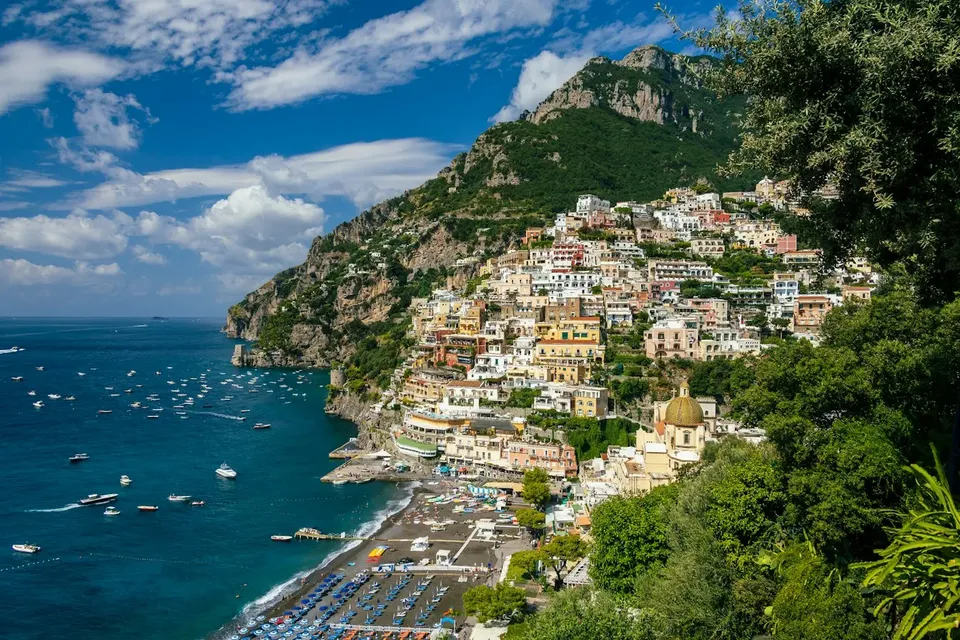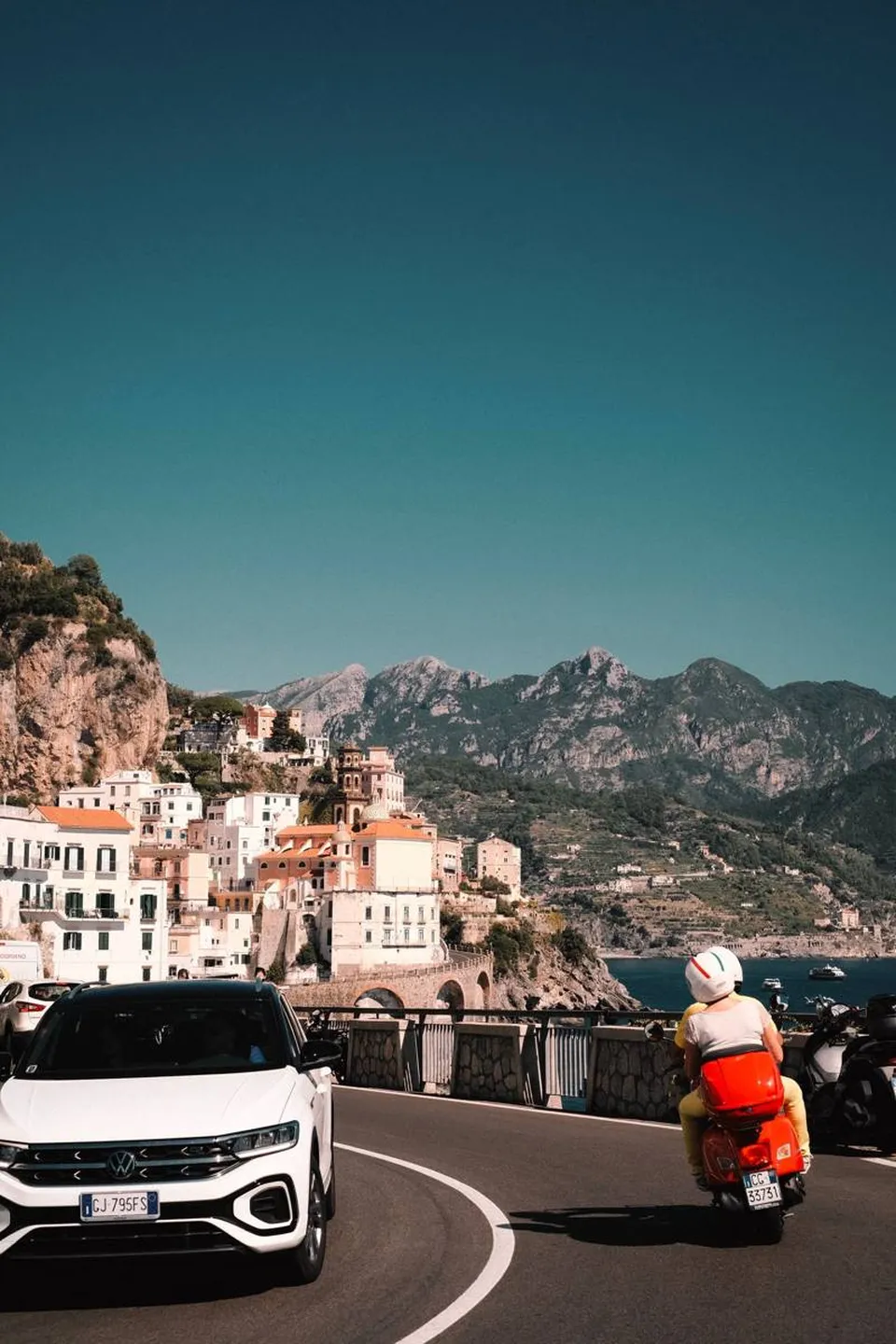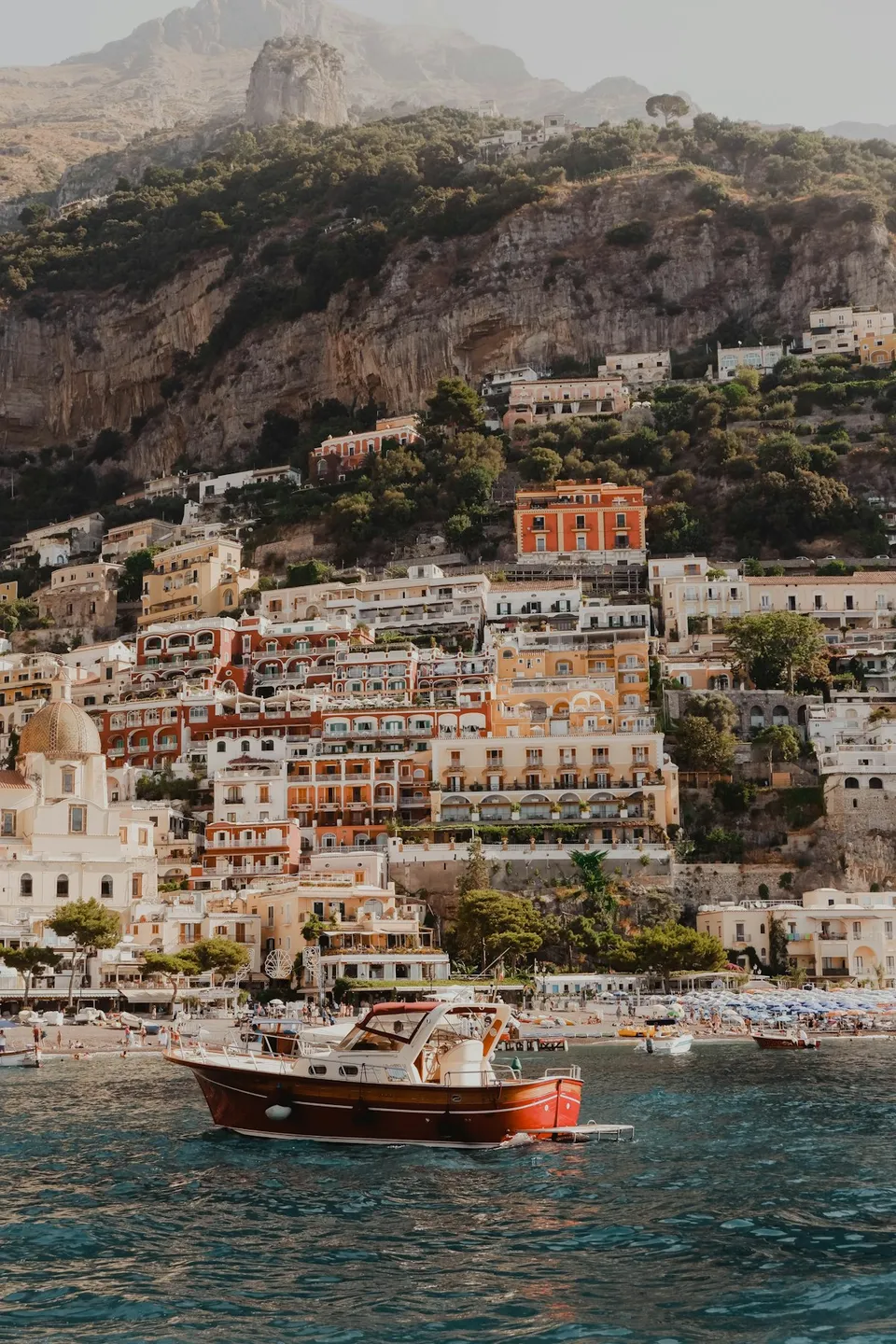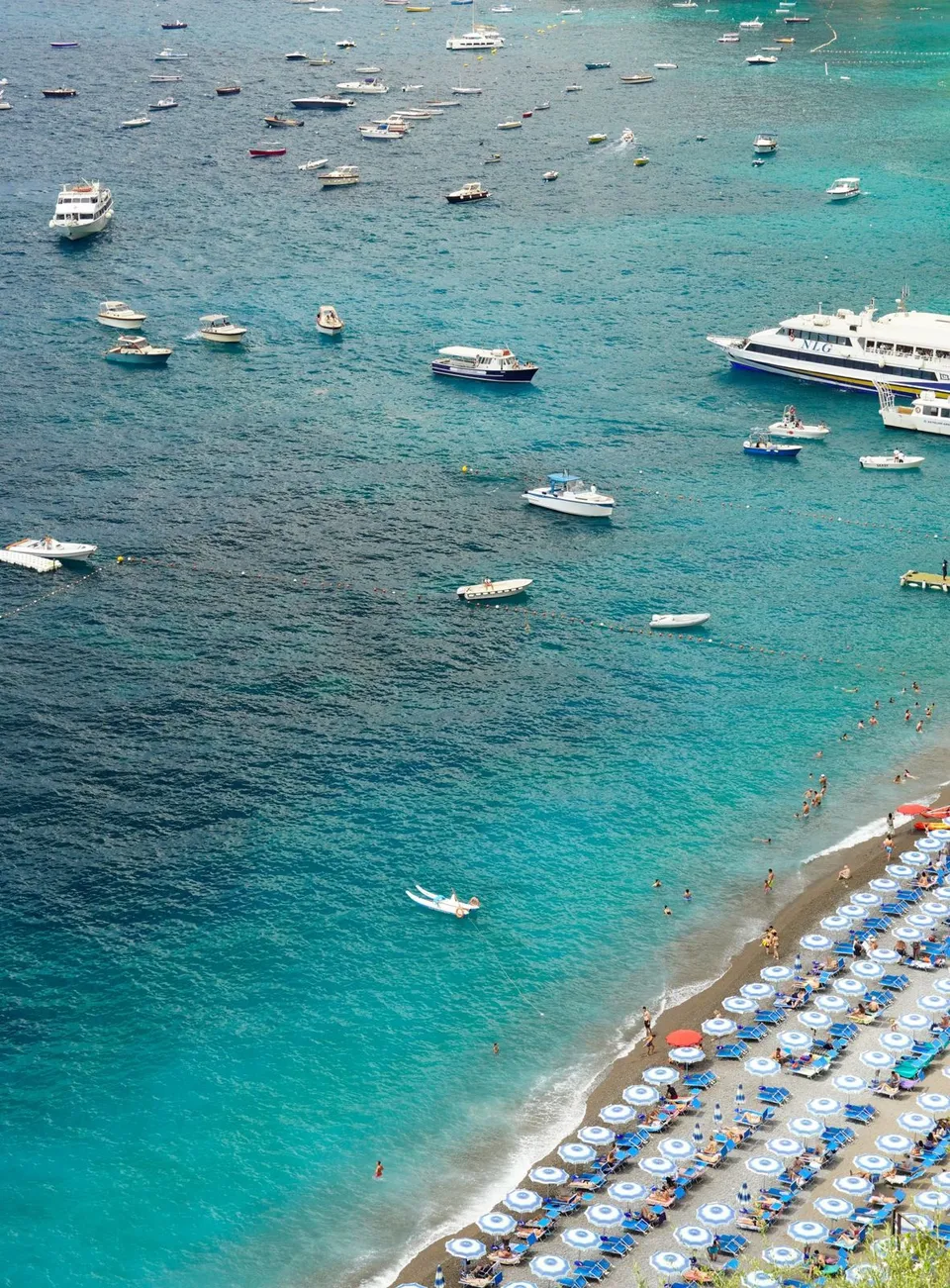
A village built on the slope
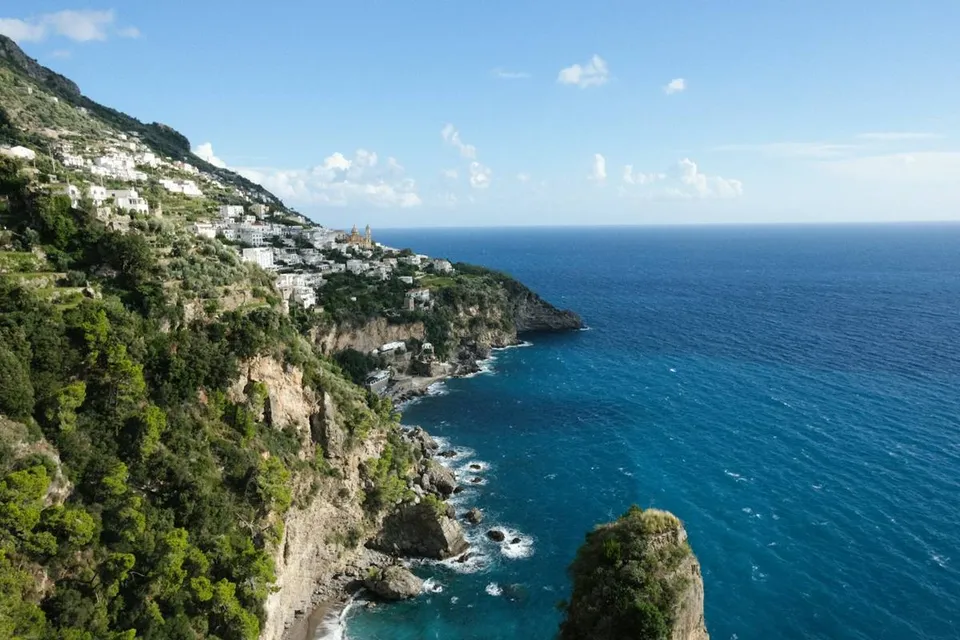
Praiano stretches along the hillside between Positano and Amalfi, with houses, terraces, and stairways following the incline. Here every trip on foot is either uphill or downhill, and the trails are the natural continuation of this geography.
Those who choose to walk leave the coastal road and sea level behind to enter a landscape of dry-stone walls, terraces, Mediterranean scrub, and ever wider views over the coast. It is an experience different from the beaches and the more frequented viewpoints, and it requires a bit of preparation.
The climb to the convent of Santa Maria a Castro
The trail that climbs to Santa Maria a Castro is made mostly of steps, many of them and at times irregular. It is not a technical route, but it is tiring for those not used to elevation changes: it is best to go up slowly, with frequent breaks to admire the view and catch your breath.
The convent stands in an elevated position above the village and is the natural destination of the climb. More than a place to "tick off" a list, it is a place of silence and views: from up there, you understand how Praiano opens toward the west and why it is so tied to sunsets.
Before setting off, check whether the complex can be visited and under what conditions. As it is a place of religious and historical value, keep your behavior modest and respectful.
The link with the Path of the Gods
From the convent, the route connects to the Path of the Gods, the scenic itinerary that crosses the Lattari Mountains above the coast. The best-known route links Bomerano, a hamlet of Agerola, and Nocelle, above Positano, with views of Capri and the Li Galli archipelago.
Arriving from Praiano means reaching the Path of the Gods "from below," starting from the sea and gaining altitude with your own legs. It is a more demanding choice than walking it at higher elevation, but it lets you experience the landscape in full: from the coast to the plateaus.
How to plan the day
There are two sensible approaches, to choose based on preparation and time.
Climb and return
This is the simplest option: climb to Santa Maria a Castro, enjoy the view, and return to Praiano by the same route. You stay close to the village and can stop whenever you want.
Crossing with return by bus
Those who are fit can combine the climb with the Path of the Gods and arrange the return by public transport. SITA buses run along the coastal road, but schedules and frequencies change: check updated timetables on official channels before leaving and allow extra time for walking, especially in seasons with less daylight.
What to bring and how to dress
On the stone steps, often smoothed or dusty, footwear matters more than the rest of your gear.
- Trekking shoes or trainers with a treaded sole, not sandals or flip-flops
- Enough water: along the route, you cannot assume there will be supply points
- A hat, sun protection, and a light layer for the wind at higher elevations
- Trekking poles, useful on the descent for those with sensitive knees
- A flashlight or a charged phone, if you think you will return in the late afternoon
Take your rubbish back to the village with you: there are no collection services on the trails.
When to go
Spring and autumn are generally the most pleasant periods: milder temperatures and softer light. In the height of summer, the ascent, exposed to the sun, can be very hot; if you choose those months, set off at dawn and avoid the central hours.
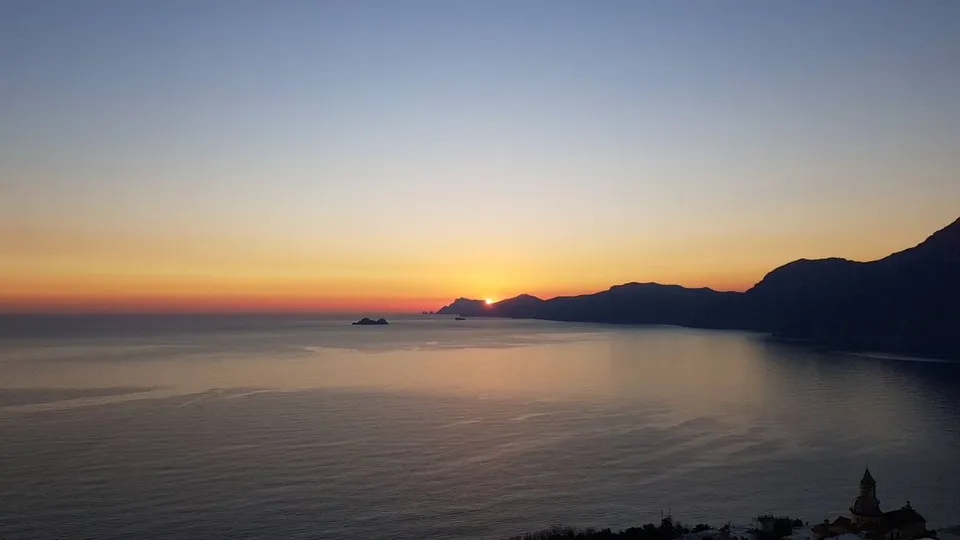
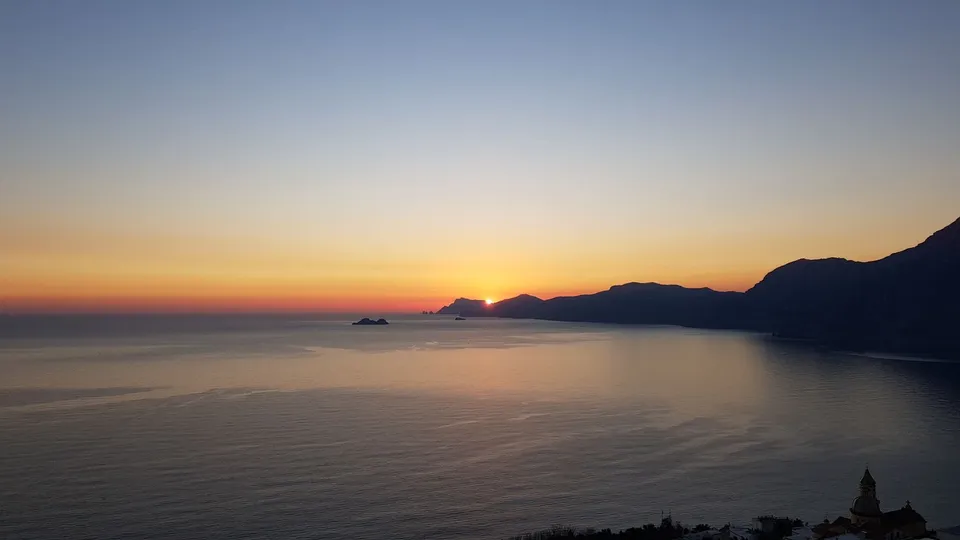
Praiano faces west, so in the afternoon the light on the sea becomes particularly beautiful. Plan your return so you do not descend the steps in the dark: as the sun goes down, visibility on the trail quickly decreases.
Checks and common sense before setting off
The condition of the trails can change: landslides, heavy rain, maintenance work, or ordinances may restrict or close some sections. Before setting off, consult the official information from the Municipality, the authority that manages the protected area of the Lattari Mountains, and local hiking groups.
If the weather is uncertain or the ground is wet, postpone it: the steps become slippery. Let someone know your itinerary, stay on marked routes, and do not cross private property or cultivated terraces, which are the result of centuries of work.
Frequently asked questions
Is the trail to Santa Maria a Castro suitable for everyone?
It is a route with no technical difficulties, but with many steps and elevation gain to tackle. It requires a minimum level of fitness and suitable shoes; those with knee or balance problems should assess it carefully.
Can you reach the Path of the Gods from Praiano?
Yes, the trail that climbs to the convent of Santa Maria a Castro connects to the Path of the Gods. Before setting off, check official sources to make sure the sections are passable.
How do you organize the return if you do not want to go back the same way?
You can plan the return with the SITA buses that run along the coastal road. Schedules and frequencies vary, so check them on official channels and leave plenty of time.
Sources and useful links
Times, prices and services can change: always check with the official sources before you travel.
Updated: 2026-10-26