What kind of walking to expect
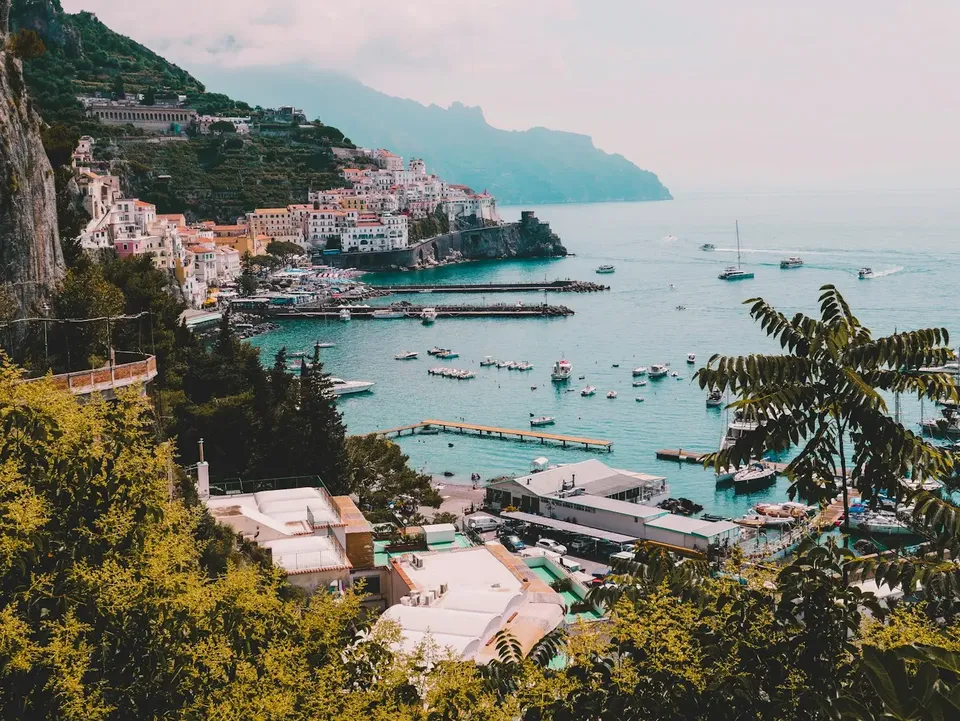
Pontone is a hamlet of Scala suspended between Amalfi and Atrani, above the Valle dei Mulini. The village is peaceful, with very little traffic, but precisely for this reason the natural way to get around is by stairs or trail.
The real variable is not distance, but elevation gain. The connection with Amalfi relies on a long staircase and trails: you almost always go up stone steps of uneven width. Keep this in mind before deciding whether to go up, go down, or do both on foot.
Shoes and clothing
Footwear makes all the difference. You need closed shoes with a treaded sole and good grip: stone worn smooth by time can be slippery, especially after rain or with morning humidity.
Avoid sandals and flip-flops, even if the sea is just a short distance away. It is better to dress in layers, with one lightweight breathable layer and one warmer layer for stops at higher points, where the air can be cooler than on the coast.
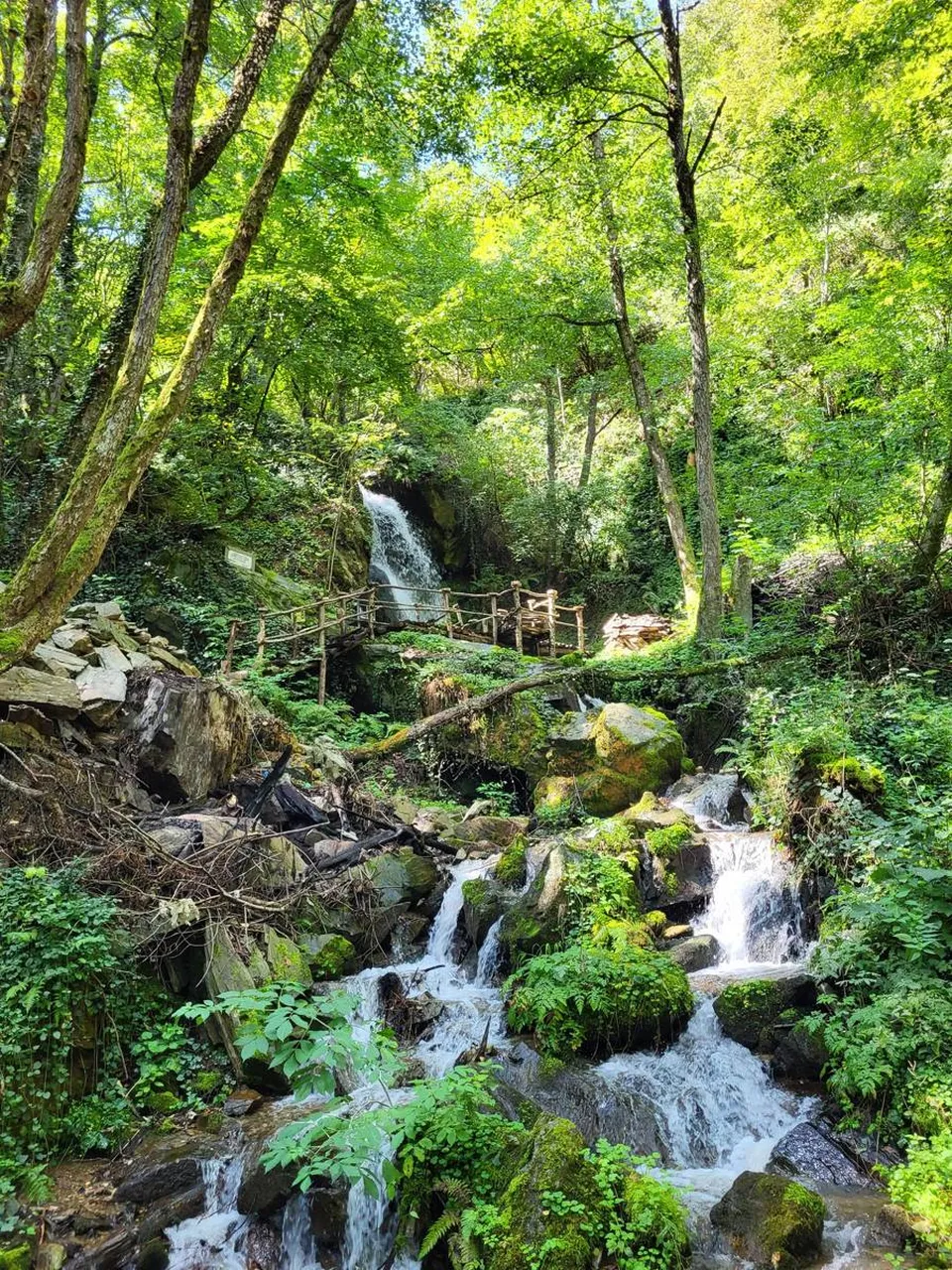
Water, sun, and seasons
Along the uphill sections, shade is not continuous. Bring enough water, a hat, and sun protection, even on overcast days.
Spring and autumn
These are generally the most comfortable seasons for walking, with milder temperatures. The weather can still change quickly.
Summer
In summer, it is best to choose the coolest hours of the day and slow your pace. If the heat is intense, it is better to postpone.
Moving on stairs and trails
A few simple tips for walking more safely:
- Climb at a steady pace and take breaks at viewpoints, without stopping in the middle of the path.
- On the way down, slow down: that is where slips happen and knees get strained. Telescopic poles can help.
- Pay attention to uneven steps, wet leaves, and mossy stretches.
- If you meet other people or residents of the village, yield where the staircase narrows.
If in doubt at a fork, follow the signposts and existing signage and turn back if a section does not feel right.
Check before setting out
The condition of the trails can change: landslides, maintenance work, or temporary closures are possible, especially after periods of bad weather. The same applies to the passages toward the Valle delle Ferriere, which are reached from Pontone as a transit point.
Before heading out, consult official sources: the Comune di Scala, the Parco Regionale dei Monti Lattari, and local hiking associations such as the CAI. Also check the weather forecast and, if you plan to use public transport for the return trip, updated information on connections.
What to put in your backpack
A light backpack is enough. The essentials:
- water and a simple snack;
- a light rain jacket;
- sunscreen and a hat;
- a small first-aid kit;
- a charged phone and, if possible, a map downloaded in advance, because coverage can be patchy in enclosed stretches.
Leave anything unnecessary down in the valley: every extra bit of weight is felt on the steps.
Respect for the village and the landscape
Pontone is a place where people live: speak quietly, do not enter private courtyards or terraces, and do not leave the marked paths. Crops and dry-stone walls are part of the landscape and must be left intact.
Take your rubbish with you to the first collection point and do not pick plants or stones. In the small square with a view, pause quietly: the best way to enjoy the village is to leave it as it is.
Frequently asked questions
Do I need hiking shoes to walk in Pontone?
High-mountain gear is not necessary, but you do need closed shoes with a grippy sole, suitable for stone stairs and mule tracks, which can be slippery with humidity.
How do I know if the trails are passable?
Trail conditions can change because of bad weather or maintenance. Always check updated information with the Comune di Scala, the Parco Regionale dei Monti Lattari, or local hiking associations.
When is the best time to walk in Pontone?
Spring and autumn are generally the most comfortable seasons. In summer it is better to choose the coolest hours, bring water, and protect yourself from the sun.
Sources and useful links
Times, prices and services can change: always check with the official sources before you travel.
Updated: 2026-10-26