One island, two souls
Capri is small, but its attractions are spread across two municipalities with different characters. Capri, on the eastern side, is the more monumental and glamorous face. Anacapri, on the western plateau, has a more intimate pace and an almost village-like atmosphere.
The advice is to think by area rather than as a checklist of stops: dedicating a block of time to each side avoids bouncing back and forth and leaves room for the pauses that, here, are often the best part.
The Piazzetta and Capri’s lanes
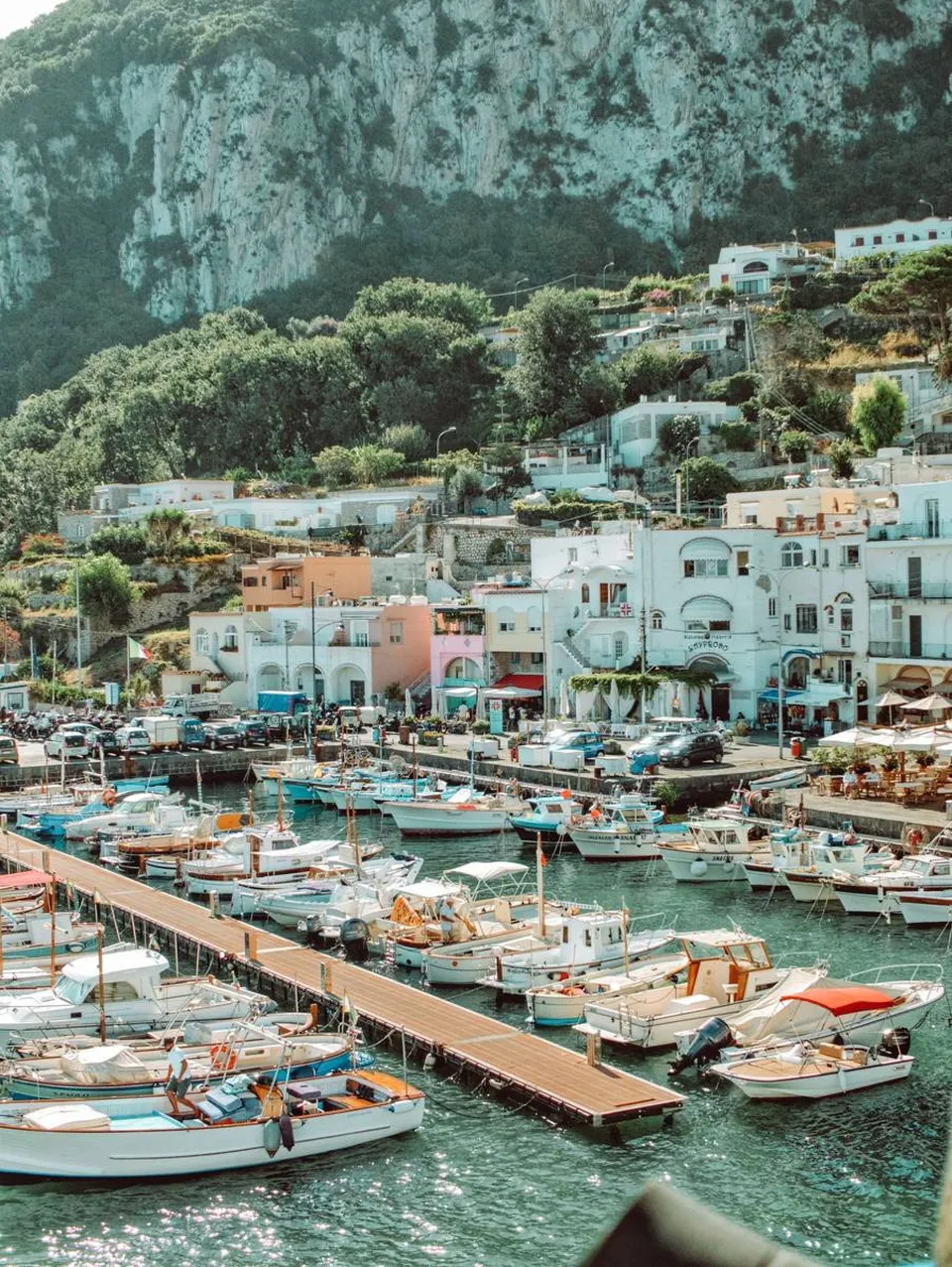
The heart of the island is Piazza Umberto I, known to everyone as the Piazzetta. It is reached from Marina Grande by funicular, which saves the climb and arrives straight in the historic center.
The square is a small open-air theater, dominated by the clock tower. Its charm lies more in watching than in doing: sit down, watch the comings and goings, then let yourself be swallowed by the white lanes branching all around, full of arches, stairways and little garden corners.
Giardini di Augusto and Via Krupp
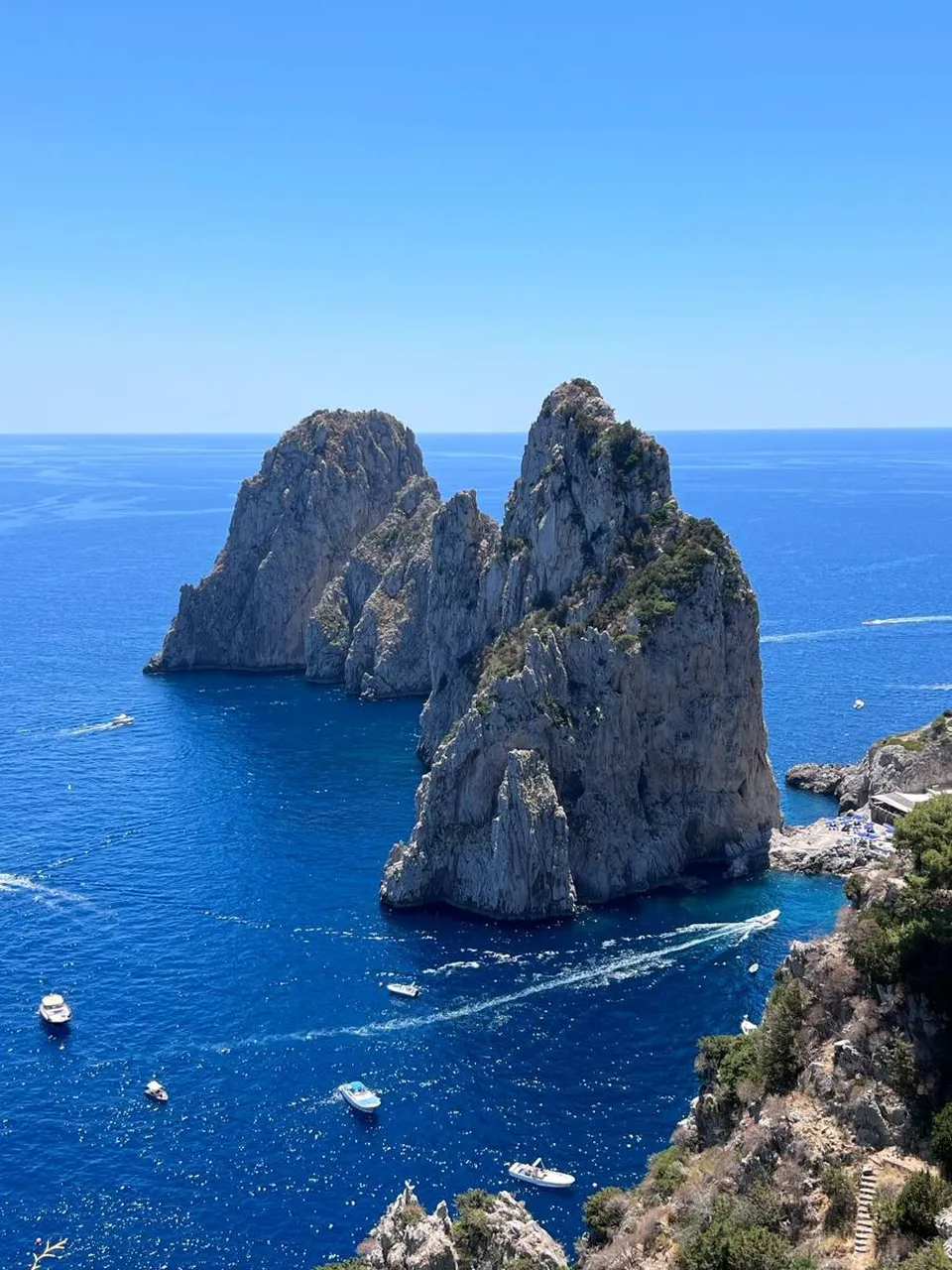
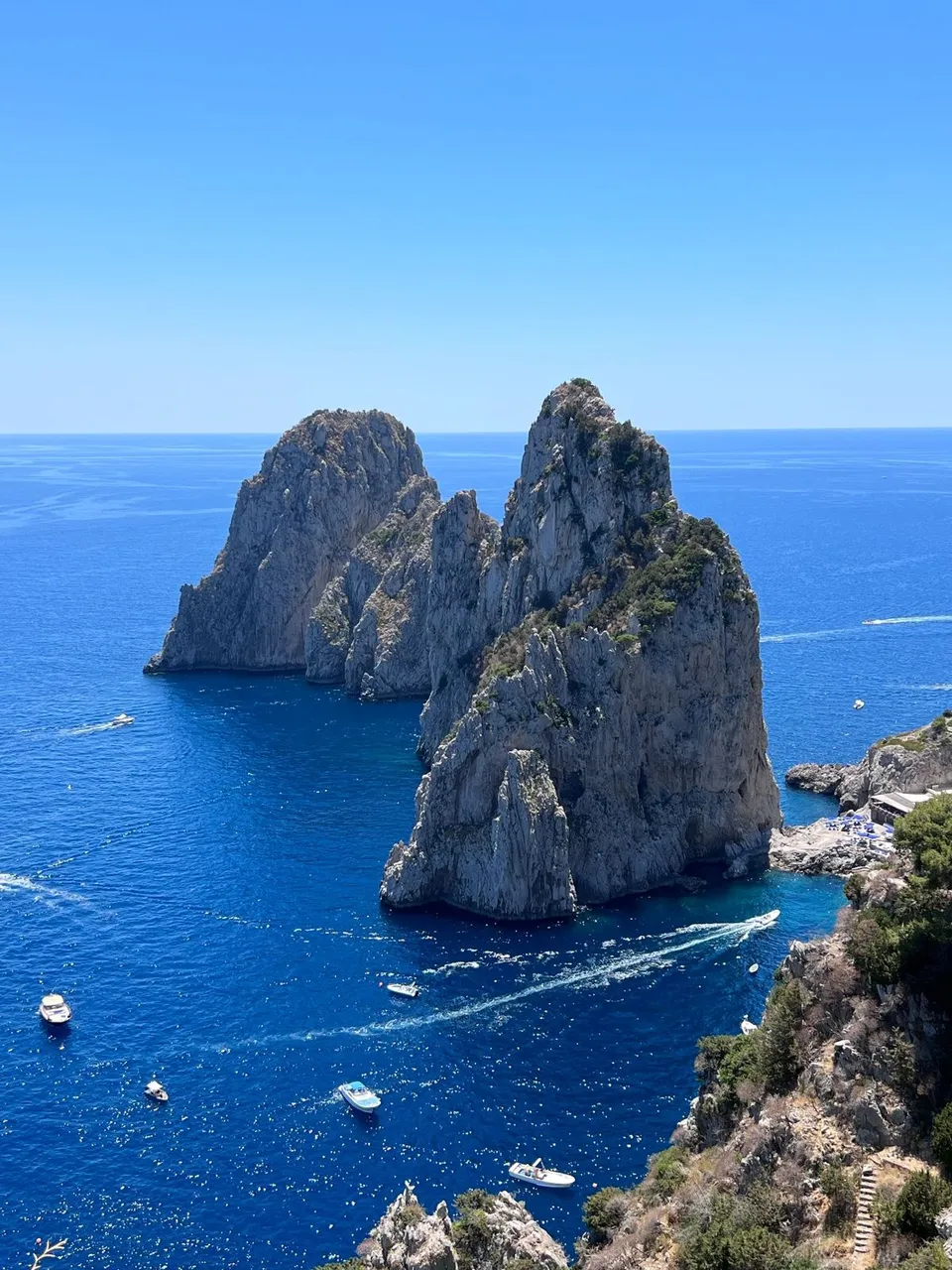
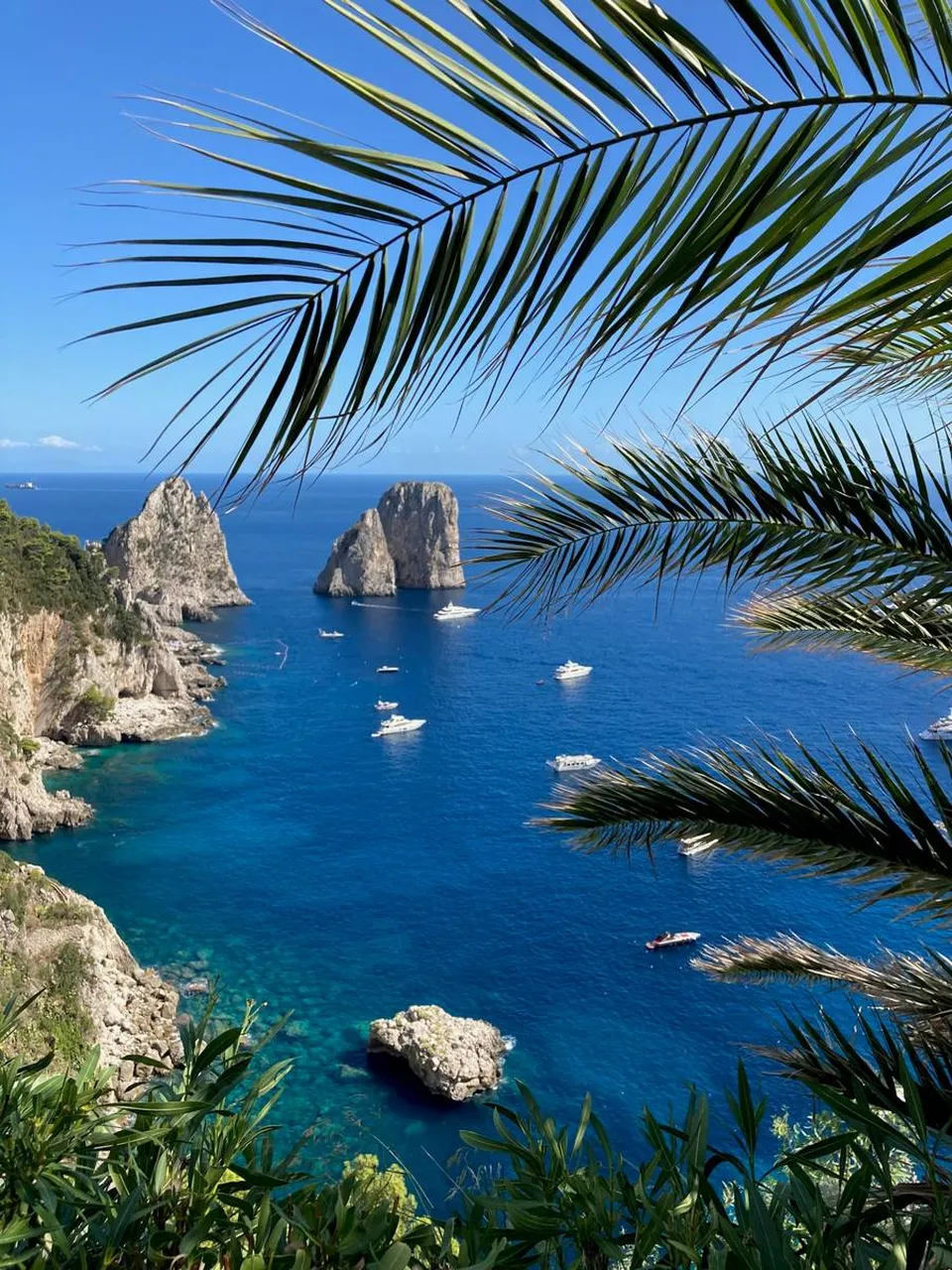
A few minutes from the Piazzetta, the Giardini di Augusto are flowered terraces overlooking the sea. From here the view falls on the Faraglioni, the three sea stacks that are the island’s symbol, and on the coast stretching south.
Below the gardens runs Via Krupp, a switchback path carved into the rock that leads toward Marina Piccola. Note: the path may be closed, so before including it in your plan, check access status on the municipality’s official channels.
Villa Jovis, Tiberius’s Capri
To understand why Capri has attracted the powerful for two thousand years, you have to go up to Villa Jovis, Emperor Tiberius’s residence. It stands on a promontory on the eastern side of the island, in a commanding position that explains the choice: control, seclusion and a view over the gulf.
Walking among rooms, cisterns and terraces, you can still read the layout of a great imperial complex. The route there is a walk from the center, so wear suitable shoes and check official information on opening times and access in advance.
Certosa di San Giacomo and the Arco Naturale
Another, quieter Capri is found at the Certosa di San Giacomo: a monastery dating back to the 14th century, with cloisters and peaceful spaces far from the bustle of the Piazzetta.
Those who love nature can instead head to the Arco Naturale, a limestone rock bridge shaped by time, reachable by a short scenic walk. Both places reveal a less predictable side of the island.
Anacapri: Villa San Michele and the church of San Michele
In Anacapri, the classic stop is Villa San Michele, the home that Swedish doctor and writer Axel Munthe built among fragments from Roman times. Its appeal lies in the balance between house, garden and pergola overlooking the gulf: a place designed for contemplation.
A short distance away, the church of San Michele preserves a beautiful majolica floor depicting the earthly Paradise. It is best admired slowly, perhaps from the walkway that lets you see the design without stepping on it.
Monte Solaro and the Punta Carena lighthouse
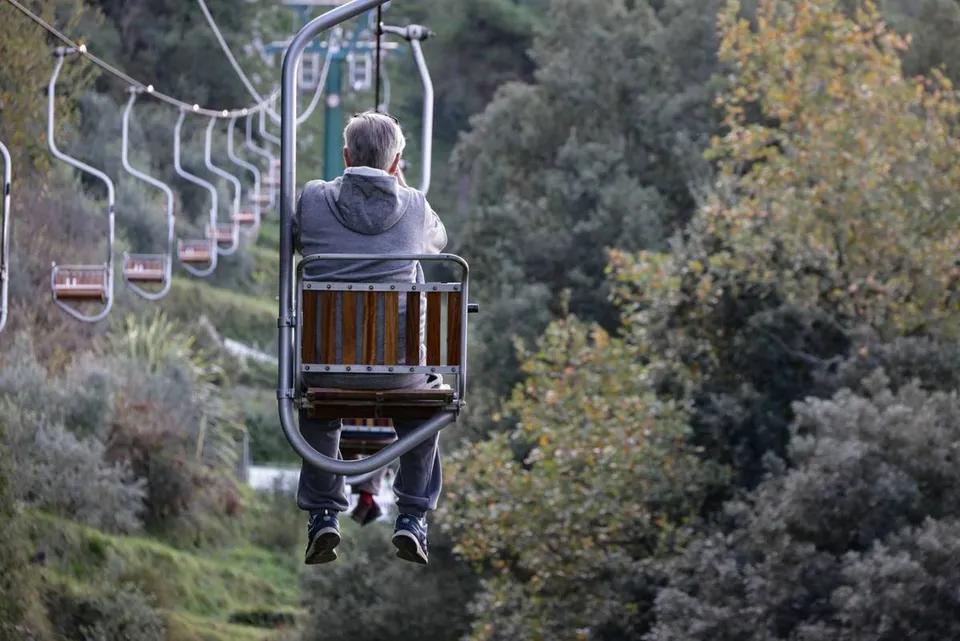
Also from Anacapri, the chairlift to Monte Solaro starts, the highest point on the island. In just a few minutes of ascent the landscape opens across the entire gulf, with Capri on one side and the Campania coast on the other. The service depends on weather conditions, so always check the day’s official notices.
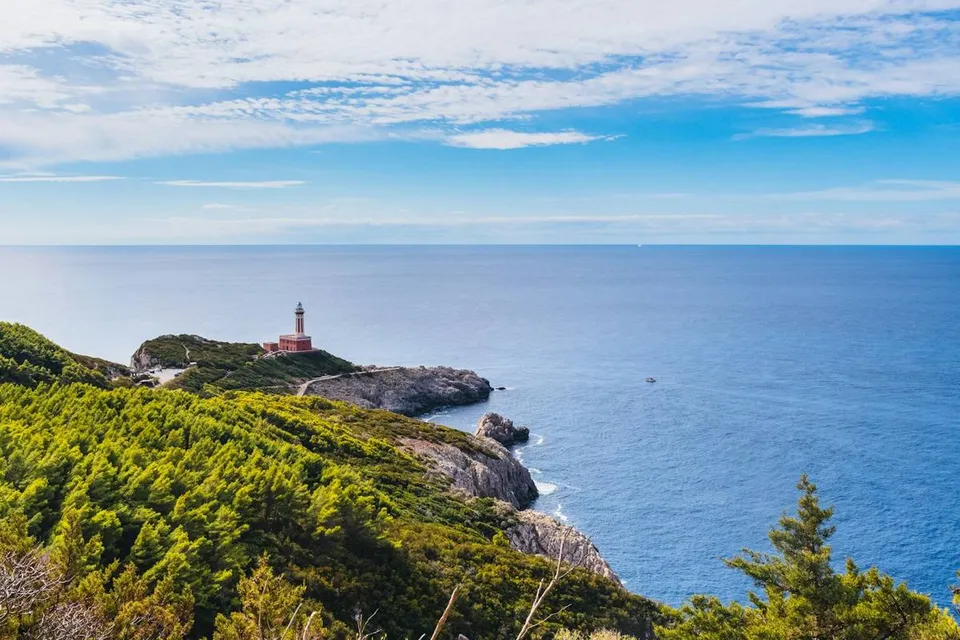
Toward the western end, the Punta Carena lighthouse offers a wilder atmosphere: cliffs, open sea and, in the final hours of the day, one of the most evocative places to watch the sun go down.
The sea as an attraction: Marina Piccola and the Blue Grotto
In Capri, the sea is an integral part of the plan. Marina Piccola, on the southern side, is a stretch of coast with a close-up view of the Faraglioni, ideal for ending the day by the water.
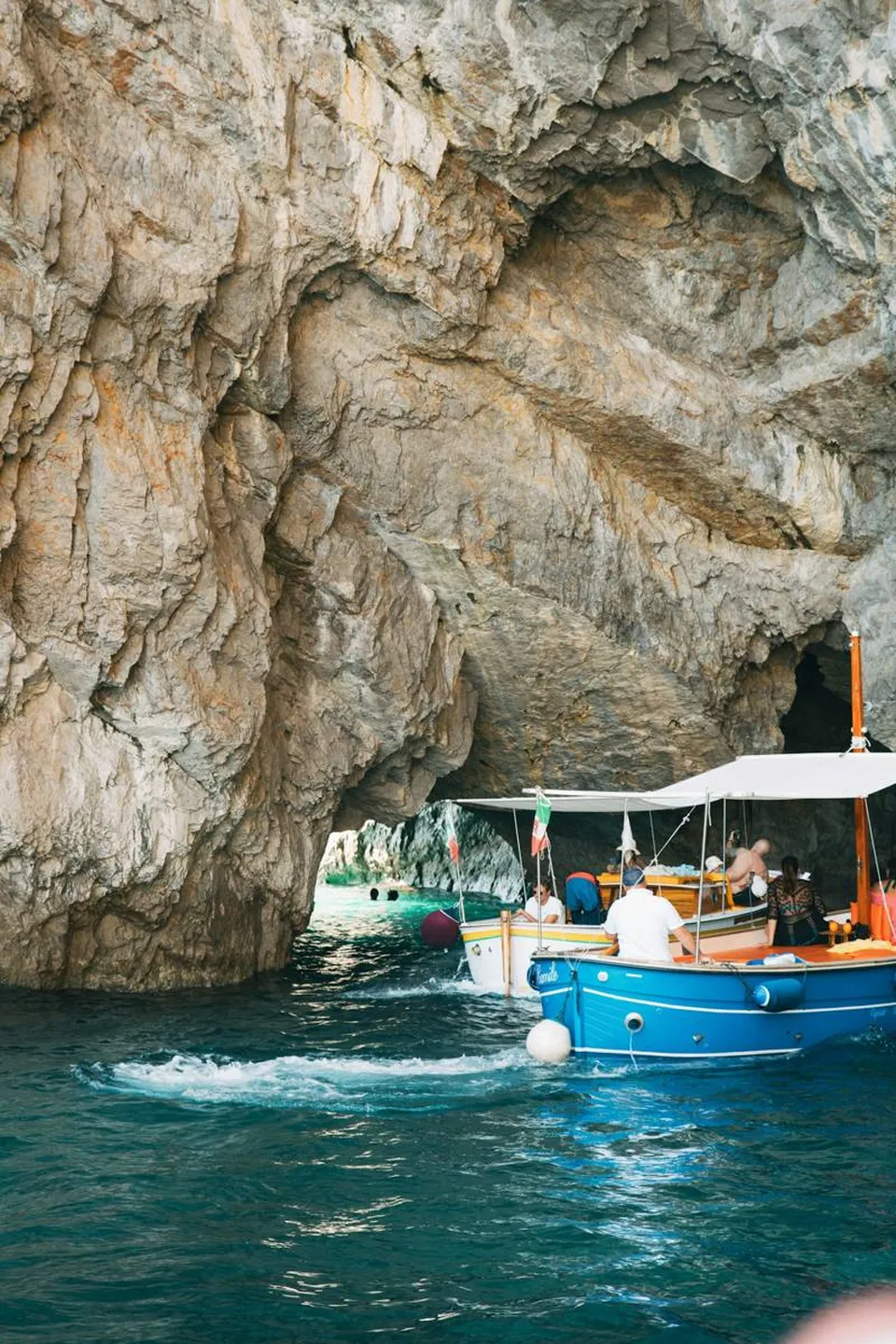
The Blue Grotto, famous for its deep blue reflections, is visited by boat and accessible only when the sea is calm: if conditions do not allow it, entry is suspended. For this reason, it is better not to make it the only must-do stop, but rather keep it as a possibility to assess on the spot.
If you are arriving for the day from Naples, Sorrento or, in season, the Amalfi Coast, choose two or three places and enjoy them well: Capri rewards those who slow down.
Frequently asked questions
What are the main attractions in Capri?
The best known are the Piazzetta, the Giardini di Augusto with views of the Faraglioni, Villa Jovis, the Certosa di San Giacomo and the Arco Naturale in Capri; Villa San Michele, the church of San Michele and Monte Solaro in Anacapri.
Is the Blue Grotto always open to visitors?
No. It is visited by boat and only when the sea is calm. Before planning the day, it is advisable to check sea conditions and the guidance of official channels.
Is Via Krupp open to walk on?
Not always: the path may be closed. Check access status in the municipality’s official communications before including it in your itinerary.
Sources and useful links
Times, prices and services can change: always check with the official sources before you travel.
Updated: 2026-10-26