1. The Cathedral of Sant'Andrea and Its Staircase
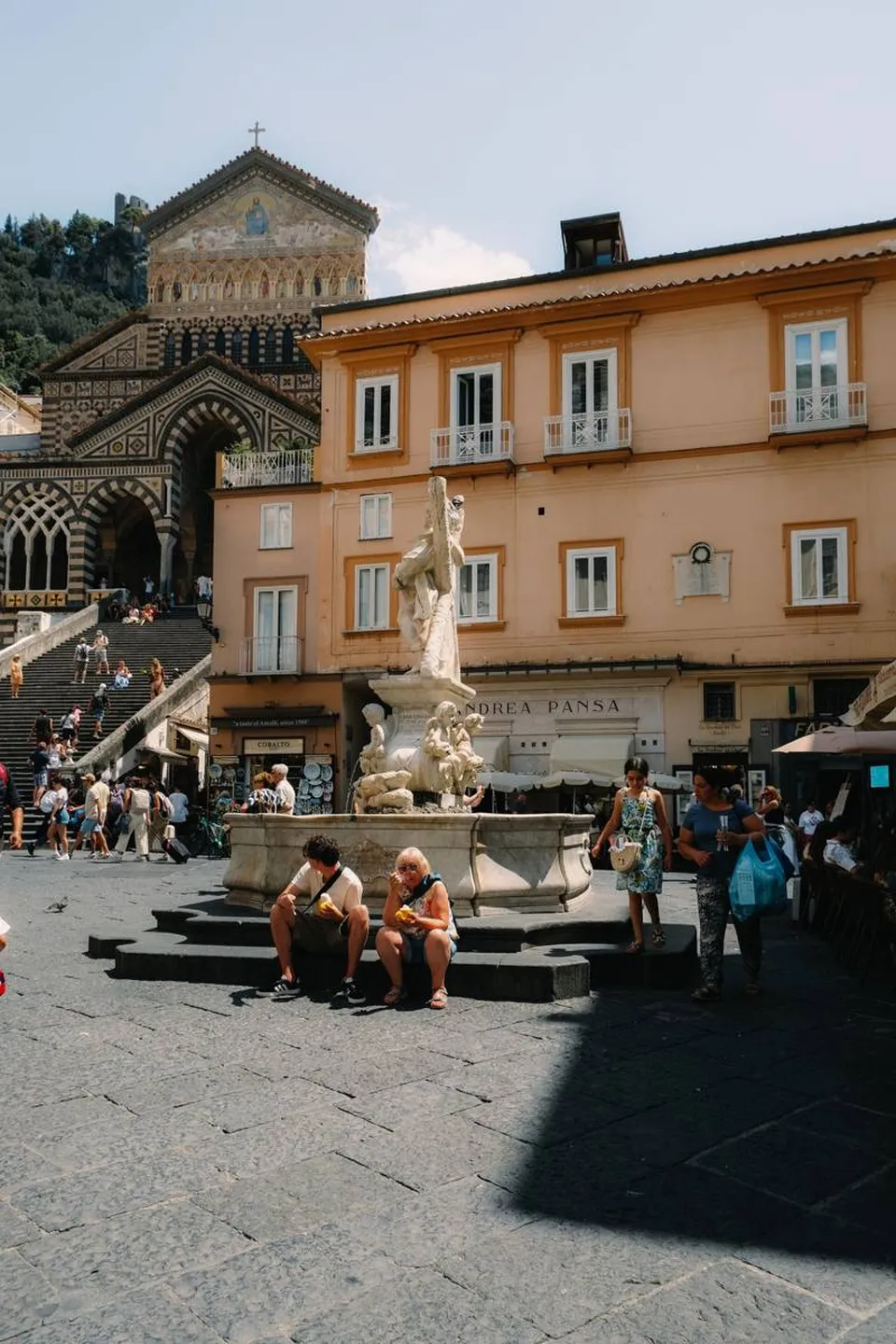
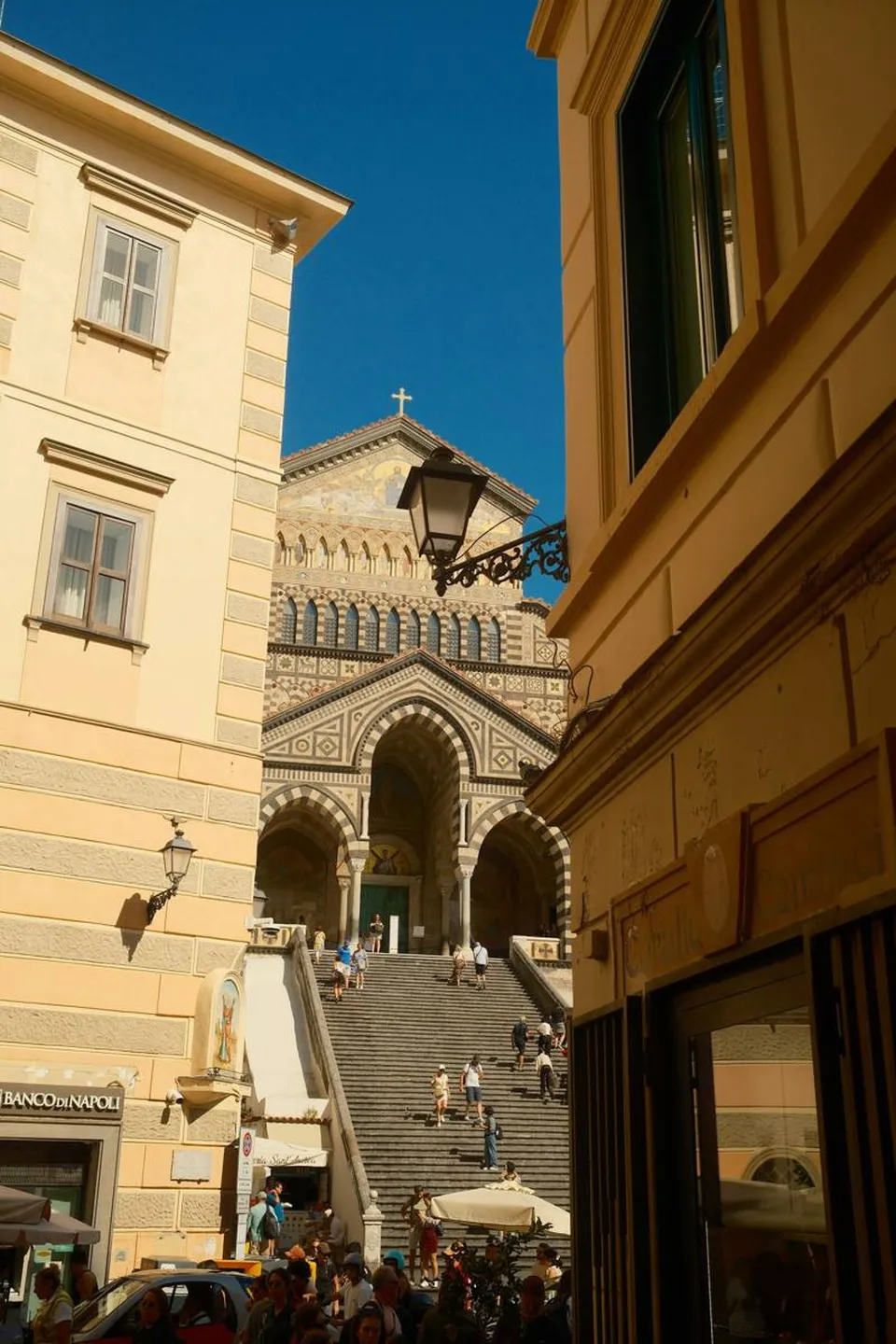
The cathedral dominates Piazza Duomo with its striped façade and monumental staircase. The current façade is a nineteenth-century reconstruction, built after the collapse of the original one, but the bronze doors come from Constantinople and date back to the 11th century.
The crypt holds the relics of Saint Andrew, the city's patron saint, which arrived in Amalfi at the beginning of the thirteenth century. Opening hours and visiting arrangements change with the seasons and with religious services: check them before you climb up.
2. The Cloister of Paradise
It is visited together with the Cathedral complex. Built in the 13th century as a cemetery for noble families, it is a small garden surrounded by interlaced arches in the Arab-Norman style, one of the most photographed views in Amalfi.
From the cloister you pass into the Basilica of the Crucifix, the oldest church of the complex, now a museum space.
3. Piazza Duomo and the Fontana de Cape 'e Ciucci
The square is the heart of city life: cafés, pastry shops and the Fountain of Sant'Andrea. A few steps further along the main street you come to the Fontana de Cape 'e Ciucci, with its miniature nativity scene set in the water, much loved by children.
4. The Paper Museum
For centuries Amalfi was a centre for the production of bambagina paper, handmade with water from the Canneto stream. The museum is housed in an old paper mill in the Valley of the Mills and displays machinery, vats and production techniques.
It is one of the most interesting visits, including for families. Opening hours and tickets are published on the museum's official website.
5. The Arsenals of the Republic
A short walk from the harbour are the great stone vaults where the galleys of the Maritime Republic were built. Today they host exhibition spaces dedicated to the city's maritime history: a place that helps explain why Amalfi was so important in the Middle Ages.
6. The Alleys and Stairways of the Historic Centre
Away from the main street you will discover covered passageways, stairways and small courtyards. It is the best way to escape the crowds in the middle of the day. Wear comfortable shoes: the climbs are steep and frequent.
7. Atrani, a Few Minutes' Walk Away
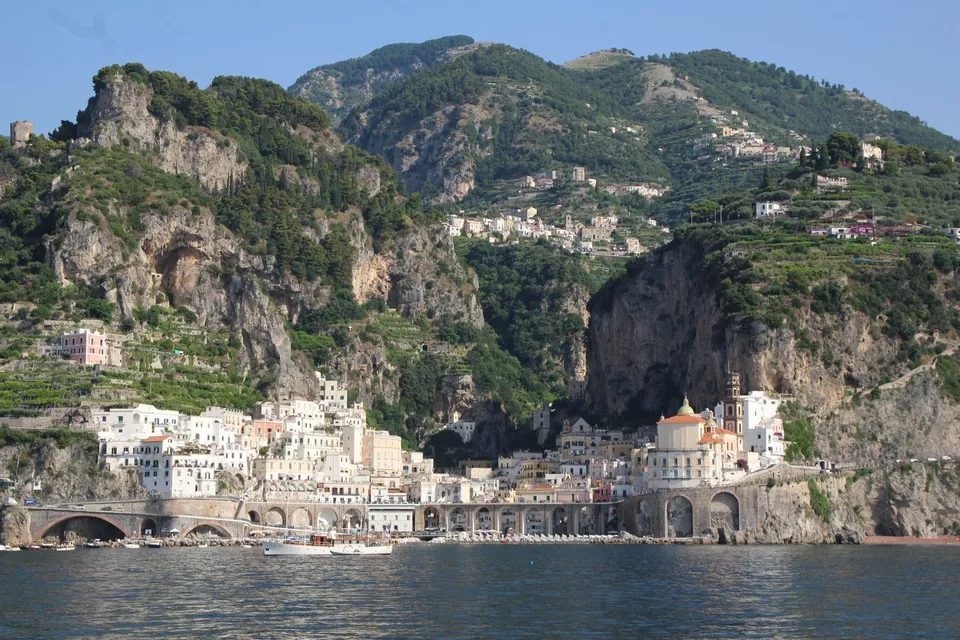
The neighbouring village can be reached on foot in a few minutes from the centre of Amalfi. The little square, the beach and the churches overlooking the sea offer a quieter atmosphere, perfect for an aperitif at sunset.
8. The Valle delle Ferriere
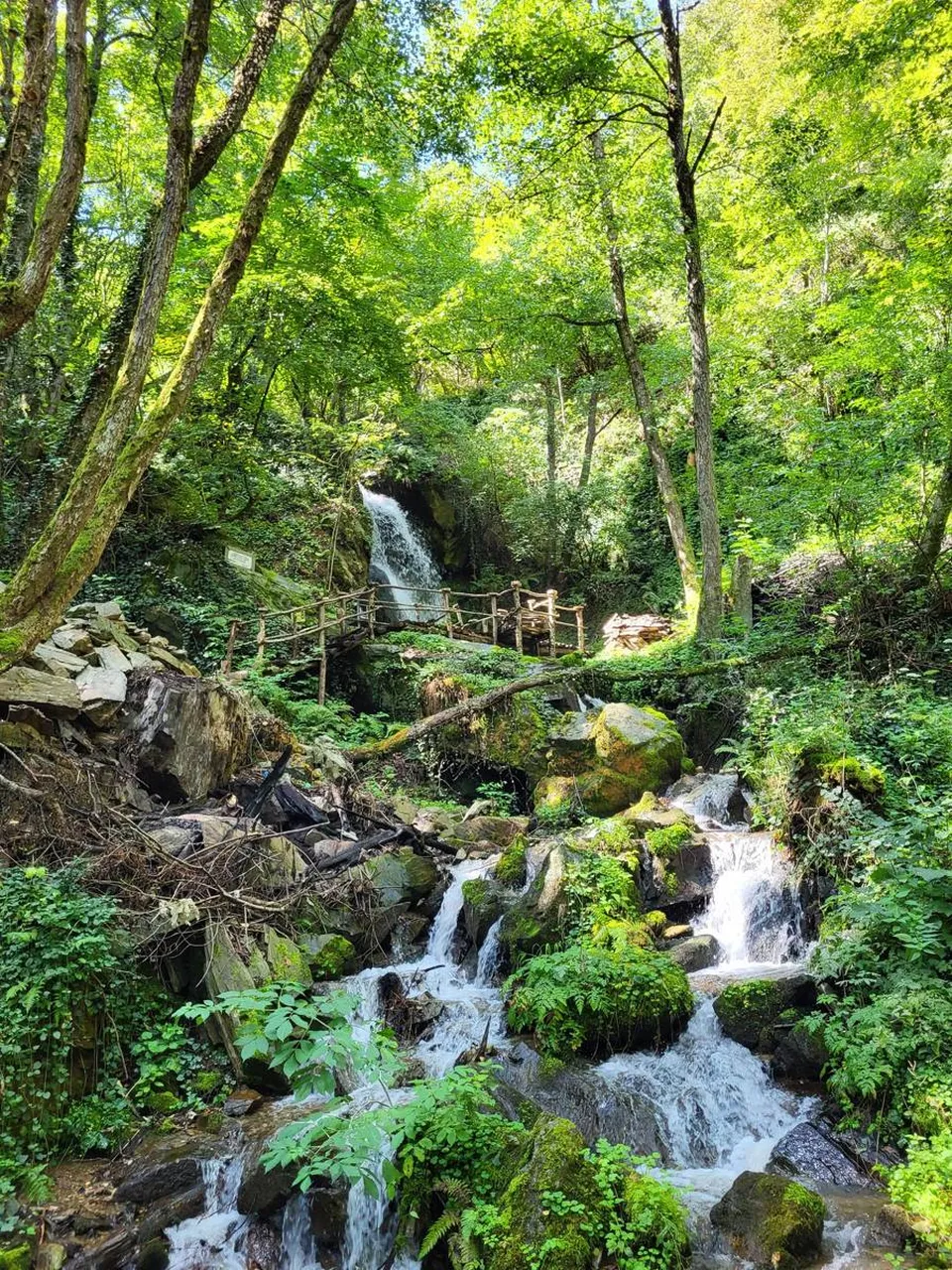
Behind the town opens a green valley with streams, waterfalls and the remains of the old ironworks. The trail is suited to those used to walking: bring water and find out in advance about trail conditions, as some parts of the reserve may be subject to access restrictions.
9. The Harbour and the Seafront
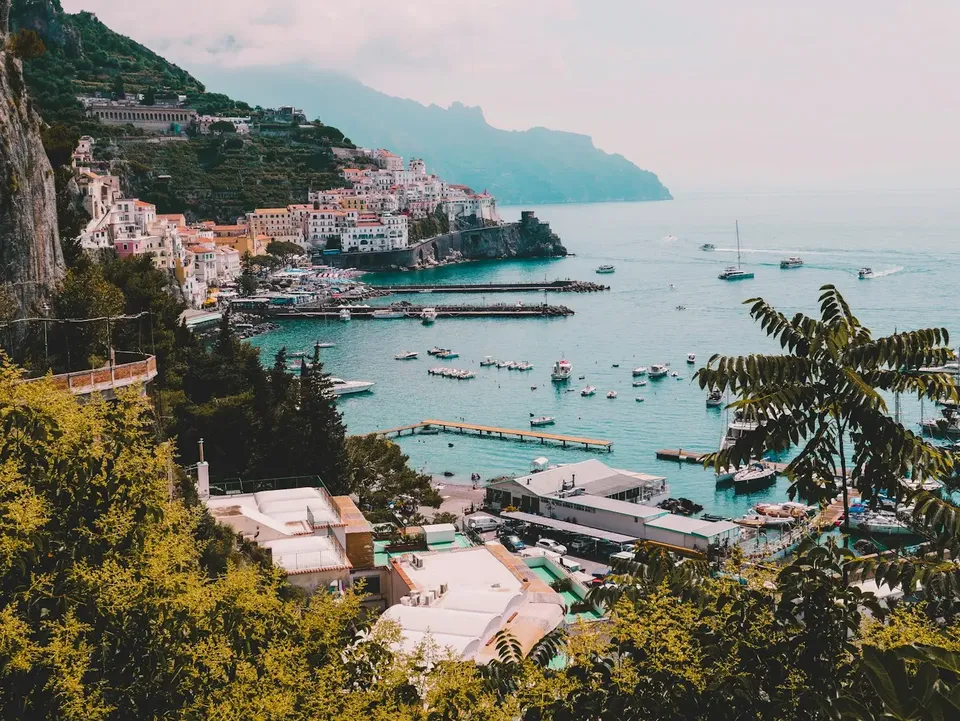
Ferries and boat excursions leave from the pier. From here you get the most classic view of Amalfi: the white houses climbing up the rock and the Cathedral bell tower. It is also the ideal starting point for a boat trip along the coast.
10. The Coast from the Scenic Road
The Strada Statale Amalfitana connects Amalfi to Positano on one side and to Maiori and Vietri on the other, with spectacular viewpoints. On a Vespa you can stop in the lay-bys and deal with traffic more nimbly: drive carefully, because the road is narrow and full of bends.
Frequently asked questions
How much time do you need to visit Amalfi?
One day is enough for the historic centre, the Cathedral and the Paper Museum. With two or three days you can add the Valle delle Ferriere, Ravello and a boat excursion.
Can you visit Amalfi Cathedral for free?
Entering the cathedral for prayer is different from visiting the museum route with the Cloister of Paradise, which normally requires a ticket. Check the current conditions on site.
Sources and useful links
Times, prices and services can change: always check with the official sources before you travel.
Updated: 2026-10-26