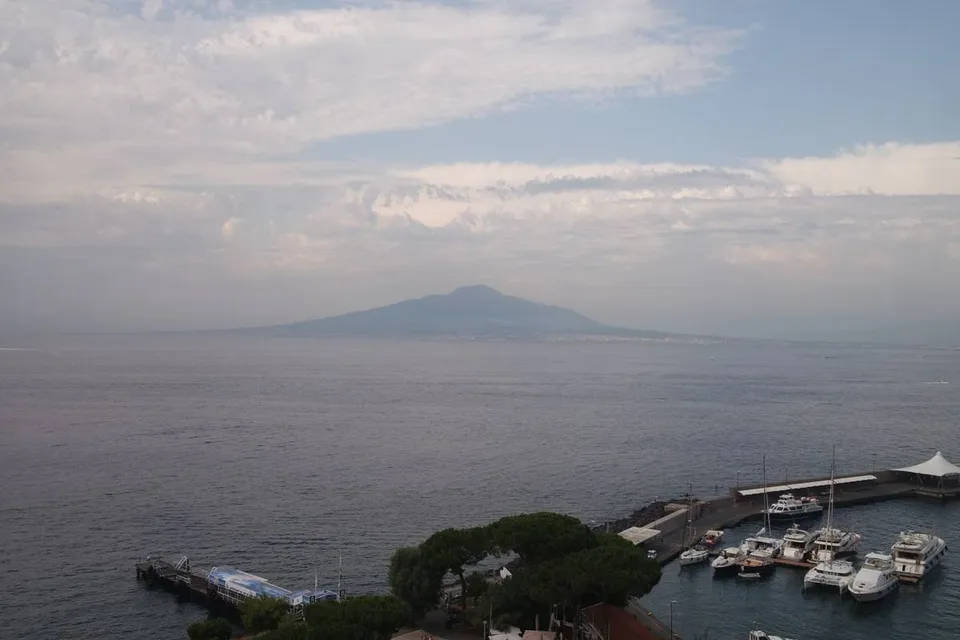
The lemon, the soul of Sorrento
The lemon is the hallmark of this stretch of coast. The Sorrento lemon, recognized with Protected Geographical Indication status, has a large fruit, a peel rich in essential oils and an intense aroma that can be sensed even before cutting it.
In town you encounter it everywhere: in the hidden gardens behind walls, in crates displayed outside shops, in decorations and naturally in the kitchen. Understanding the lemon means understanding the landscape of the Sorrento Peninsula itself.
Terraced gardens and pagliarelle
Traditional citrus groves are cultivated on terraces and supported by pergolas of wooden poles. In winter, to protect the fruit from the cold, the plants are covered with straw mats, the so-called pagliarelle: an ancient technique that gives the gardens an unmistakable appearance.
If you walk toward the Vallone dei Mulini, among the vegetation and the remains of the old mill, you can clearly grasp the relationship between the city and its green hinterland. Remember that many citrus groves are private property: observe from the paths and open roads, without entering without invitation.
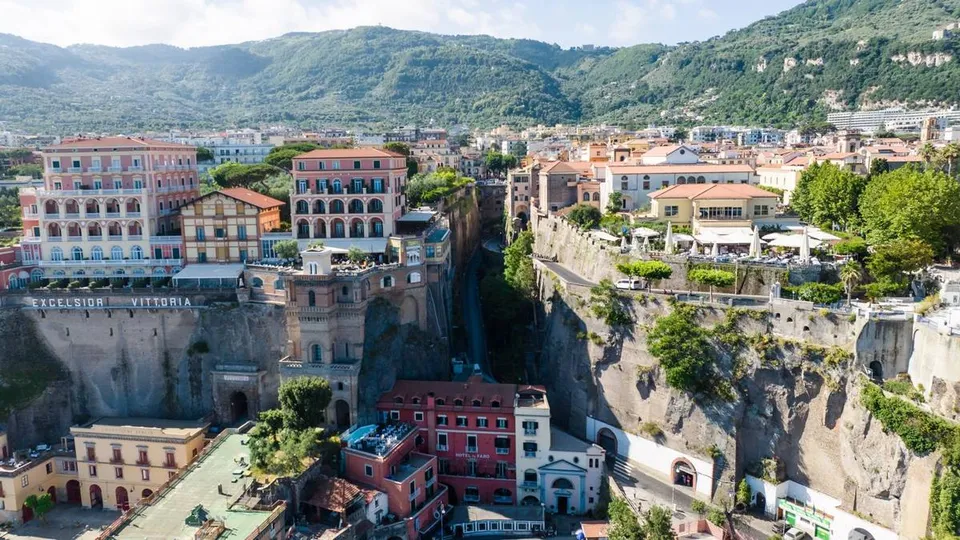
Limoncello: how it is made and how to enjoy it
Limoncello is Sorrento’s signature liqueur, linked to the tradition of local lemons. It is made by steeping only the peels in alcohol, then adding a syrup of water and sugar. The result is a deep yellow liqueur, sweet yet fresh.
It is traditionally served at the end of a meal, very cold, in small glasses kept in the freezer. To take it home, choose labels that clearly indicate the origin of the lemons and the producer, and ask how it was made. A good limoncello has a clean aroma of fresh peel, not artificial essence.
From the home table: gnocchi alla sorrentina
The most representative dish of the city’s cuisine is gnocchi alla sorrentina: potato gnocchi with tomato, basil and mozzarella or fiordilatte, baked au gratin. They arrive at the table stretchy and steaming, often in a terracotta pot.
If you want to taste them, look for a simple version, with fragrant tomato and soft gnocchi. Alongside this dish you will find other Campanian classics, such as pasta with garden produce and oven-baked sweets. On local menus you may also come across preparations in which lemon leaves wrap fresh cheeses, absorbing their aroma.
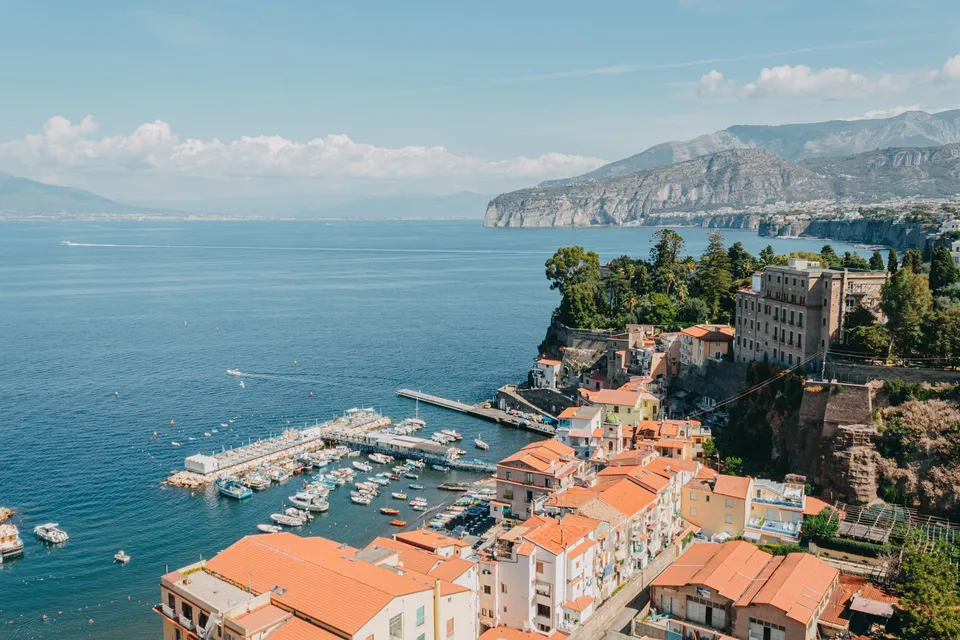
The sea on the plate
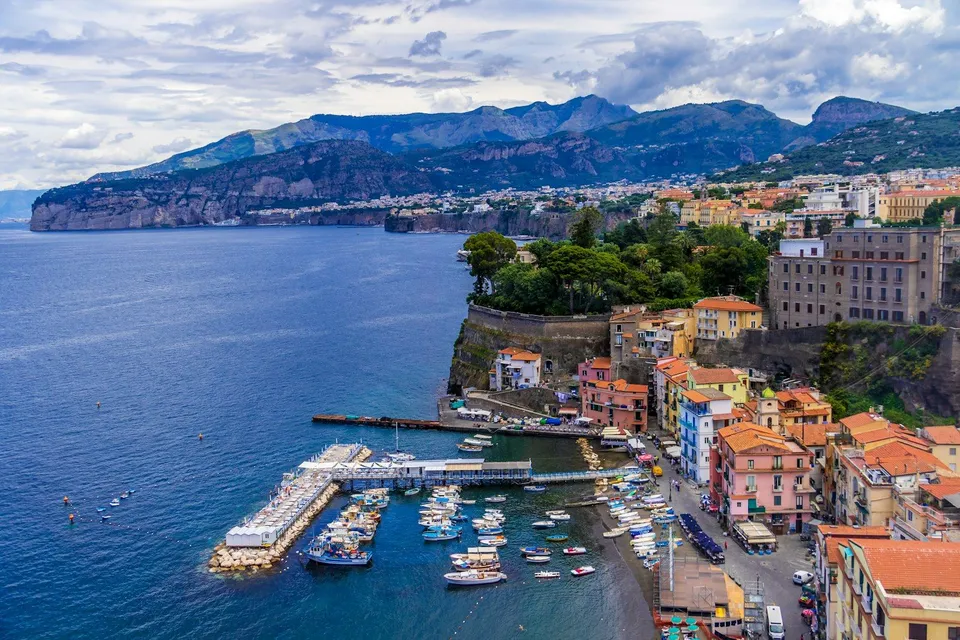
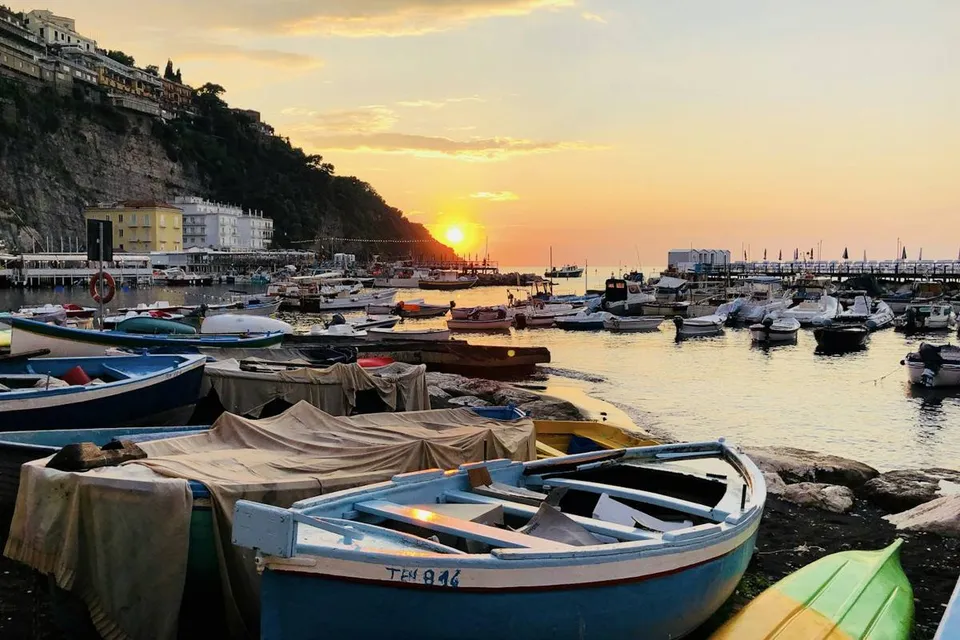
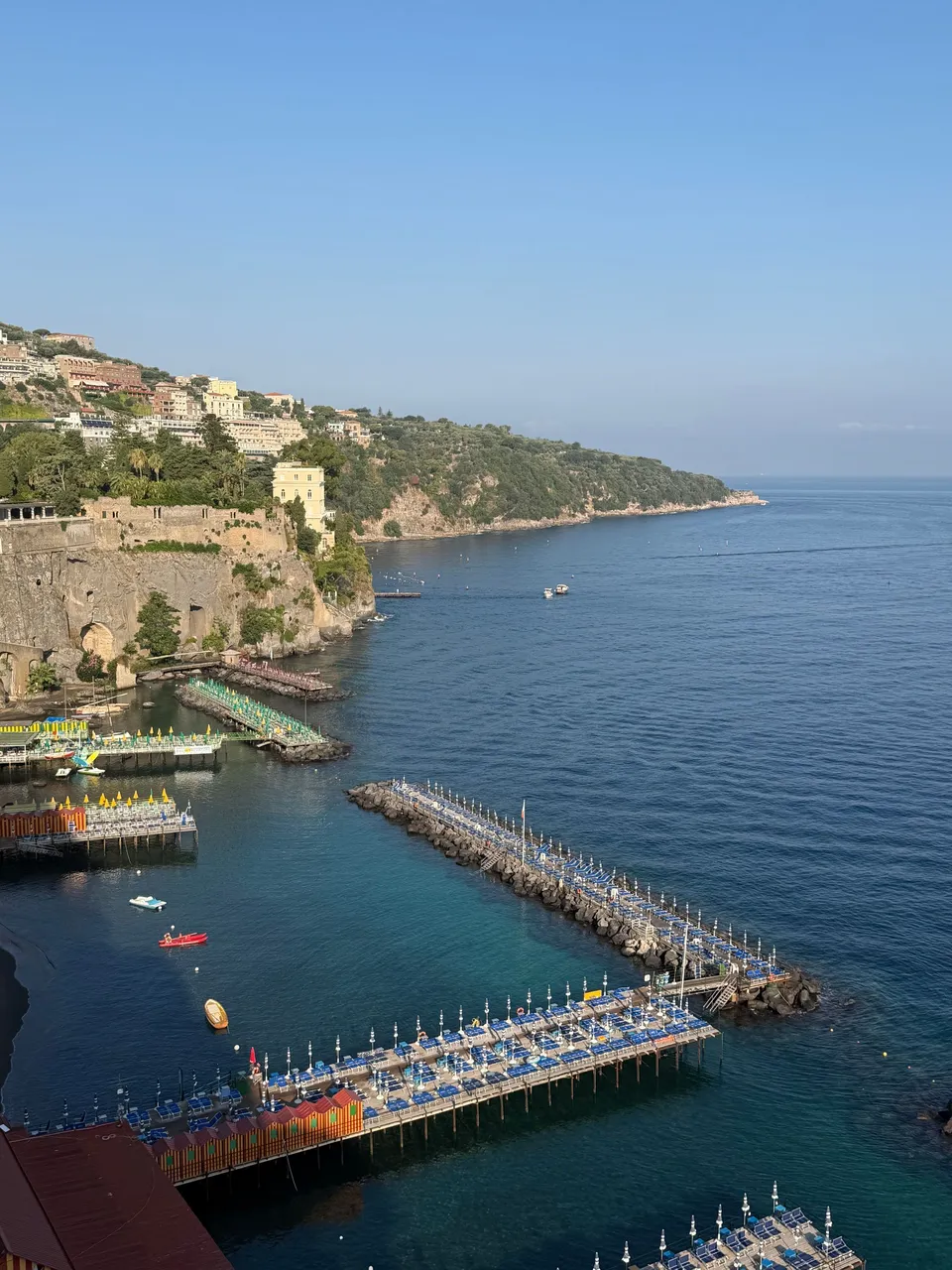
Sorrento overlooks the Gulf of Naples and seafood cuisine is part of its identity. In Marina Grande, an old fishing village, the atmosphere is that of a real little harbor, where boats and nets still tell the story of the trade.
What to look for
- The catch of the day, prepared simply: grilled, acqua pazza style or baked.
- First courses with seafood, for example with clams.
- Light fritters of small fish and calamari.
Always ask what the catch of the day is: it is the safest way to eat what the sea has truly offered at that moment.
Oil, dairy products and nocillo from the Lattari Mountains
Behind the city, the Lattari Mountains sustain a tradition of genuine products. Extra virgin oil from the Sorrento Peninsula is protected by a protected designation of origin and stands out for its fruity character. Fresh dairy products, such as mozzarella and fiordilatte, and aged cheeses from mountain pastures complete the picture.
Among local liqueurs, alongside limoncello, there is nocillo, made from green walnuts infused, with a dark color and a spicy taste. It is a lesser-known tasting for visitors and perfect for those looking for something different.
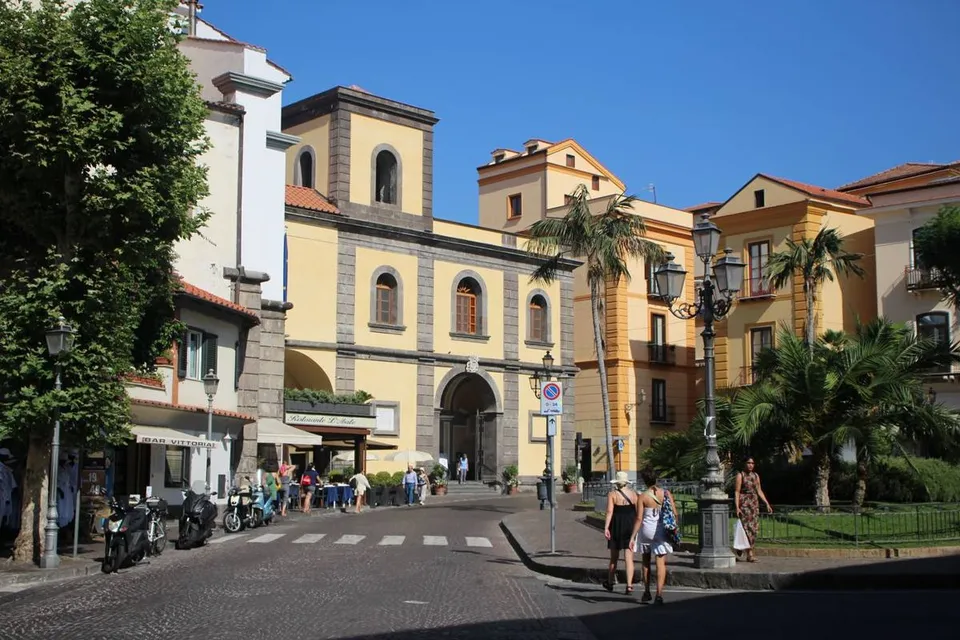
How to organize a day of tastings
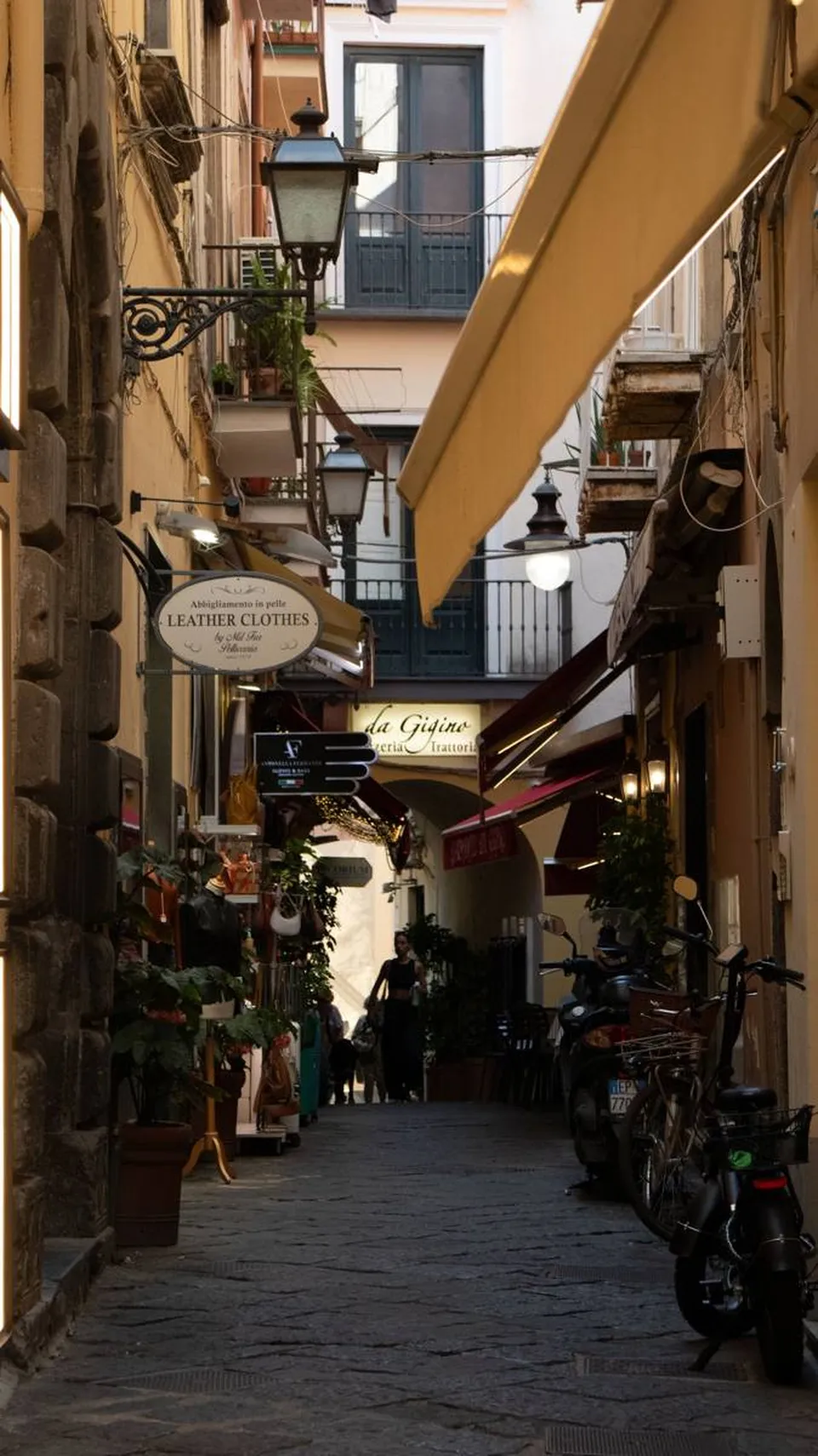
A simple itinerary can start in the morning from Piazza Tasso, with a coffee and a walk among the shops in the center, where lemons, liqueurs and baked goods are found. For lunch, choose a traditional dish, such as gnocchi, and reserve dinner for Marina Grande for a fish menu, perhaps after sunset over the gulf.
To visit producers, workshops and farms, inform yourself in advance: openings, visits and availability change with the season and must be checked directly with the producers or local tourist offices. Drink in moderation: limoncello is stronger than it seems.
Frequently asked questions
Is Sorrento limoncello made with the whole lemon?
No, the traditional recipe uses only the peel, left to infuse in alcohol, and then a syrup of water and sugar. The pulp is not used.
Which dish should I try in Sorrento?
Gnocchi alla sorrentina are the most representative dish: potato gnocchi with tomato, basil and mozzarella, baked au gratin. If you prefer seafood, choose the catch of the day.
Can you visit the lemon gardens?
Many citrus groves are private. For organized visits, check conditions and availability in advance with the tourist offices or producers, because openings vary according to the season.
Sources and useful links
Times, prices and services can change: always check with the official sources before you travel.
Updated: 2026-10-26