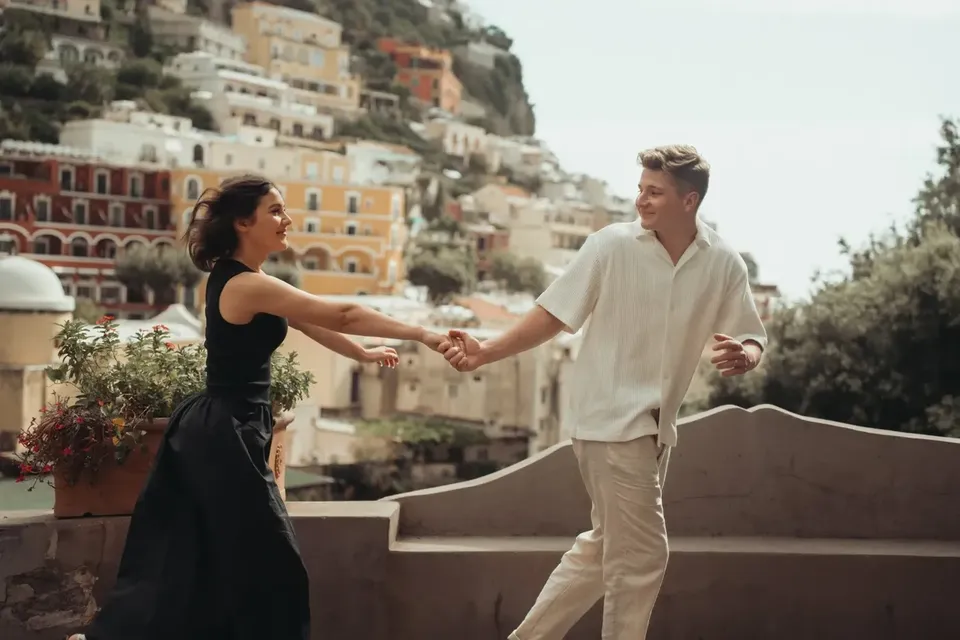
An elevated viewpoint
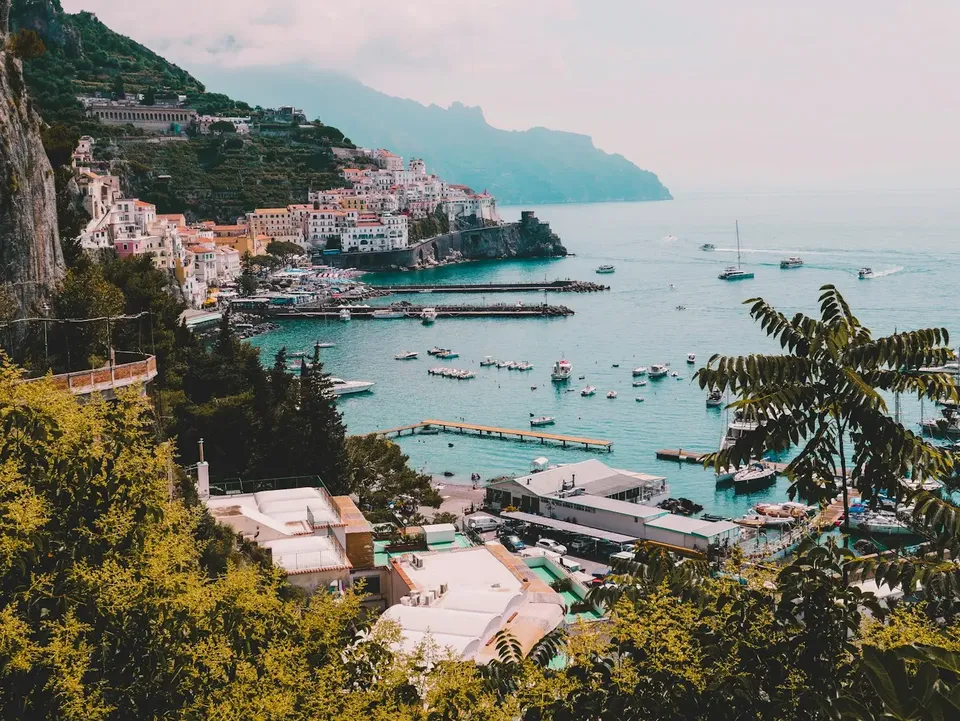
Most images of the Amalfi Coast are made at sea level or along the scenic road. Scala offers the opposite: a view from above that connects the village, the valley and the outline of the hills.
The town is traditionally considered the oldest on the coast, and that age is visible in the landscape: compact houses, hamlets scattered along the slope, fields held back by stone walls. For a photographer, that means many overlapping layers, ideal for building images with depth.
Looking toward Ravello
Scala stands opposite Ravello, and the valley between them is the most interesting subject. From the panoramic spots on the slope, you can frame Ravello on the opposite ridge, with vegetation in the foreground and the emptiness of the valley in the center.
A telephoto lens compresses the layers and brings the profile of the town across the way closer. A wide-angle lens, instead, restores the breadth of the valley and the relationship between the two villages. Try both: the same view changes character in a surprising way.
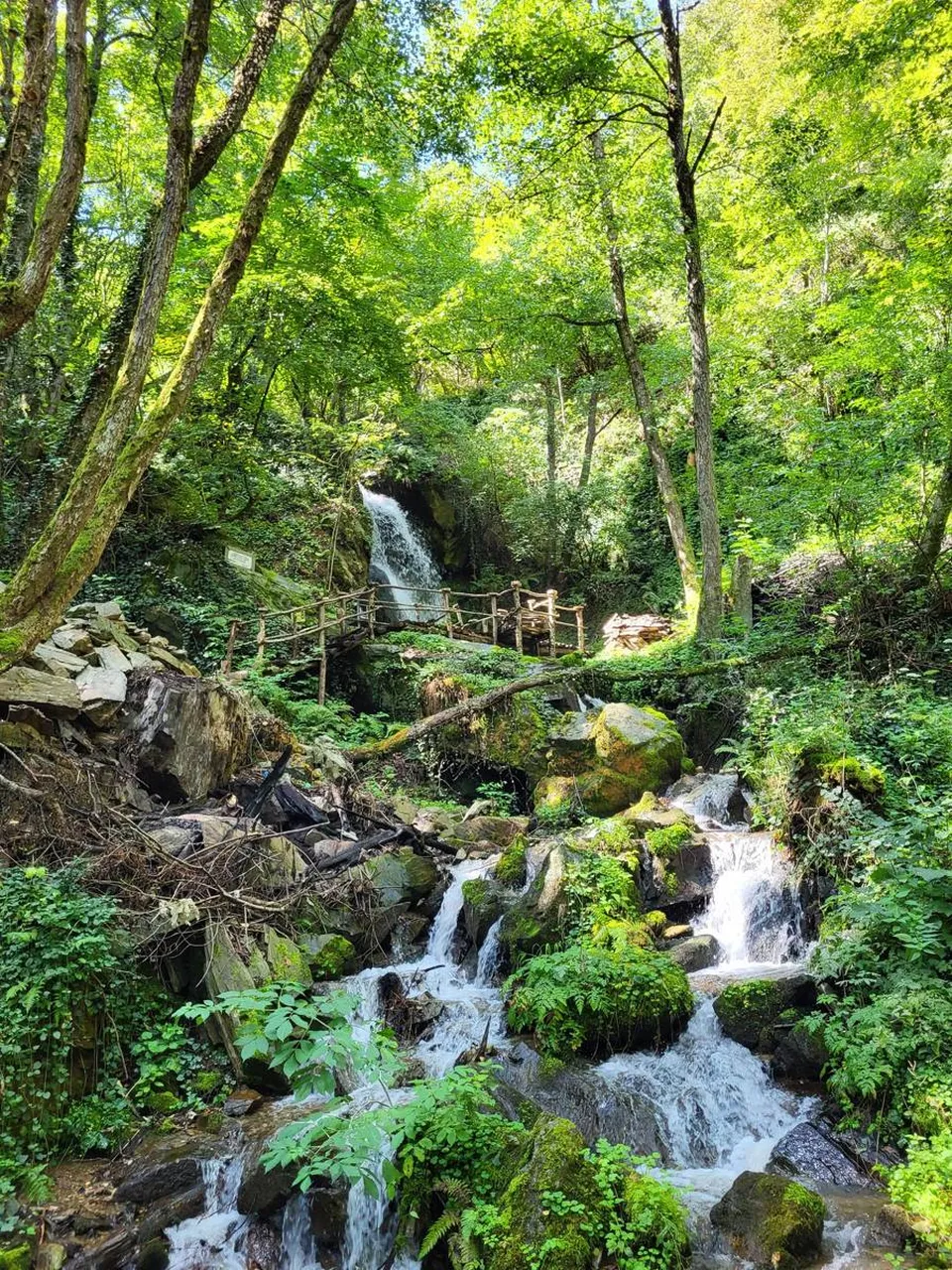
The sea, in the distance
From Scala, the sea is not a backdrop close at hand, but a presence in the distance, opening between the hills. This distance is an advantage: it lets you include the strip of coast, the slopes and the horizon in the frame, with a sense of breadth that is hard to achieve below.
On clear days the horizon is sharp; with a little haze, the mountain layers soften one behind another, a very photogenic effect if you expose carefully so as not to blow the highlights.
Terraces and chestnut woods
Scala’s character is also shaped by chestnut woods and terraces. These are less immediate subjects than the grand panoramas, but they yield the most personal photographs.
What to look for
- The lines of the dry-stone walls that mark the slope.
- The trunks and canopies of the chestnut trees, which in backlight create patterns of light and shadow.
- The paths and stairways that disappear into the greenery, useful as leading lines for the eye.
In autumn the chestnut foliage turns warm in tone, while in spring the woods take on a soft, luminous green.
Light: times and seasons
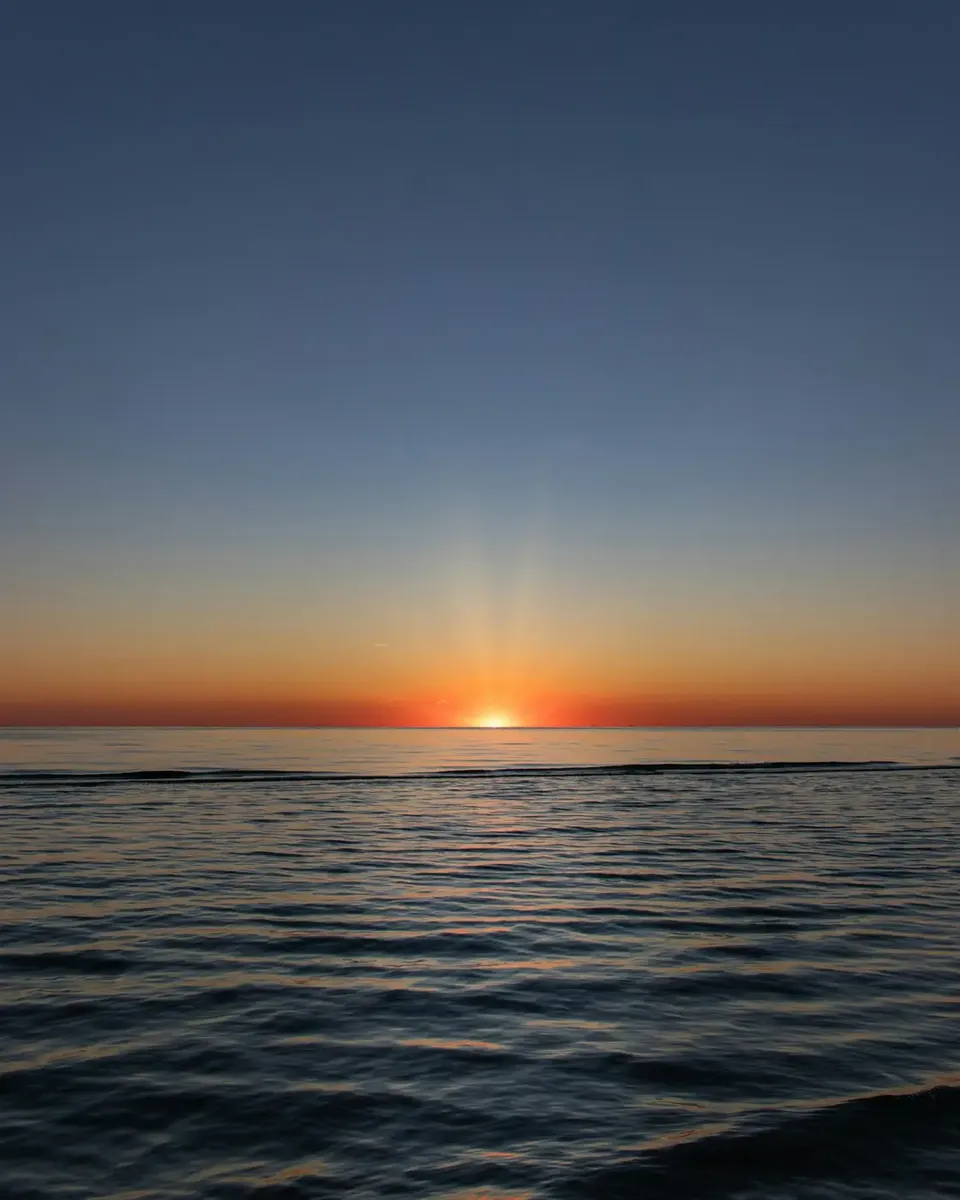
Because Ravello lies west of Scala, looking toward it usually means having the sun at your back in the first part of the day, with a well-lit landscape and clean colors. Toward evening the situation reverses and backlight can create suggestive silhouettes, though it requires more attention to exposure.
The hours near sunrise and sunset soften contrasts and sculpt the terraces. At midday in summer, the light is harsh: better to focus on details in the shade of the woods.
Photographing respectfully
Scala is a place of daily life, not a set. In the hamlets you will find houses, gardens and private terraces: photograph from public roads and viewpoints, without entering private property and by asking permission before portraying people.
The upper part of the Valle delle Ferriere, reachable from Scala’s territory, is a protected area with regulated access: if you want to bring your camera, check the current rules in advance. The same applies to drone use, which may be subject to legal and environmental restrictions.
In your bag and on your feet
The terrain is steep and the routes include stairs and uneven stretches, so shoes with a good sole are essential. For equipment, a versatile lens and a small telephoto zoom are enough for most scenes. A lightweight tripod is useful at sunrise and sunset, but it can be cumbersome on narrow paths.
Bring water and a light jacket: at altitude the weather can change. To get there from Amalfi there is a bus connection, but schedules and services should be checked on official transport sources.
Frequently asked questions
What is the best time of day to photograph Scala?
The hours near sunrise and sunset offer the softest light and bring out the terraces and woods. In general, in the morning the Ravello slope seen from Scala is well lit, while evening favors backlight.
Can you photograph the Valle delle Ferriere starting from Scala?
The upper part of the valley is reachable from Scala’s territory, but it is a protected area with regulated access. Before setting out, consult official sources to learn the rules and any limitations, including on the use of equipment such as drones.
Do you need special gear to photograph Scala’s views?
No. A wide-angle lens for valley views and a telephoto lens to compress the layers toward Ravello are enough. Much more important are suitable shoes for steep sections and a bit of time to wait for the right light.
Sources and useful links
Times, prices and services can change: always check with the official sources before you travel.
Updated: 2026-10-26