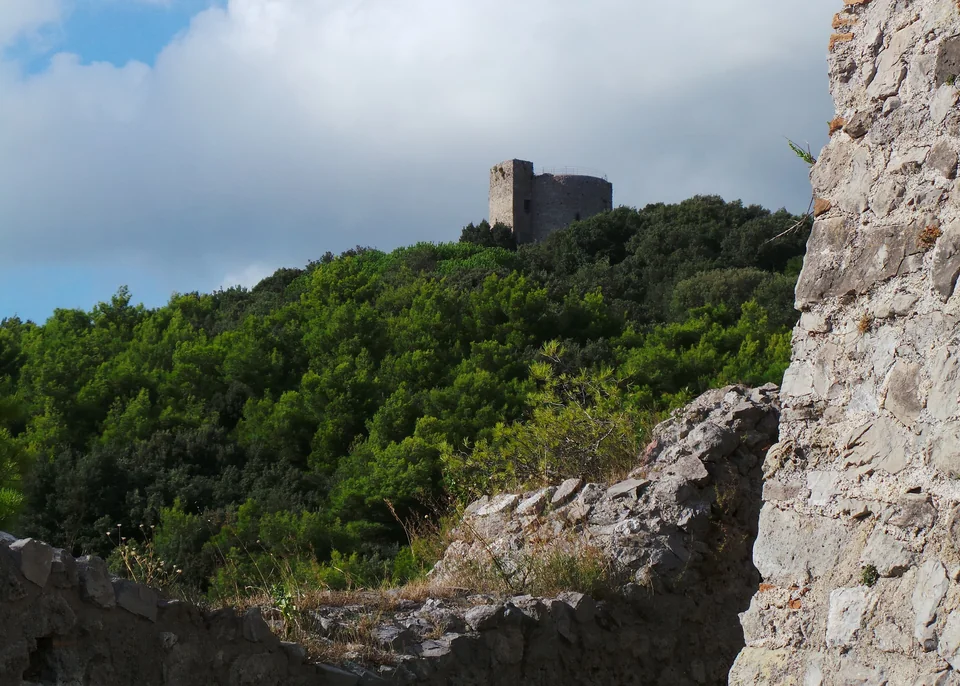
A city that tells its story through the seasons
Those who know Salerno only as the gateway to the Amalfi Coast see it in summer, amid boat departures and trains. But the city has a calendar of its own, marked by religious observances, medieval memories and civic rituals.
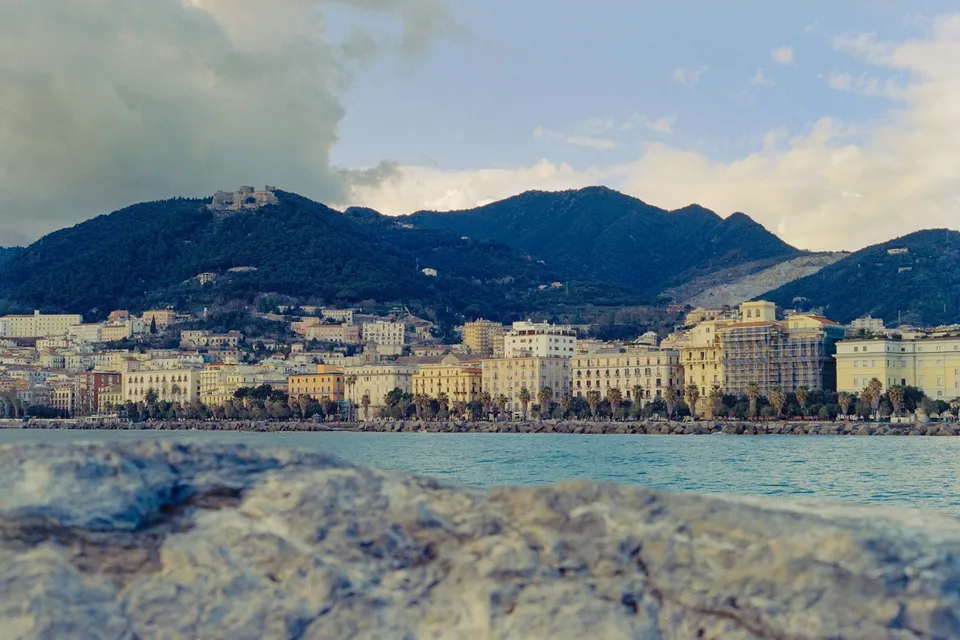
The two dates that best capture it fall almost at opposite ends of the year: the patron saint's feast in September and the artistic lights of winter. In between runs a constant thread: the relationship between the city, its sea and the hill that overlooks it.
Luci d'Artista: winter lights up
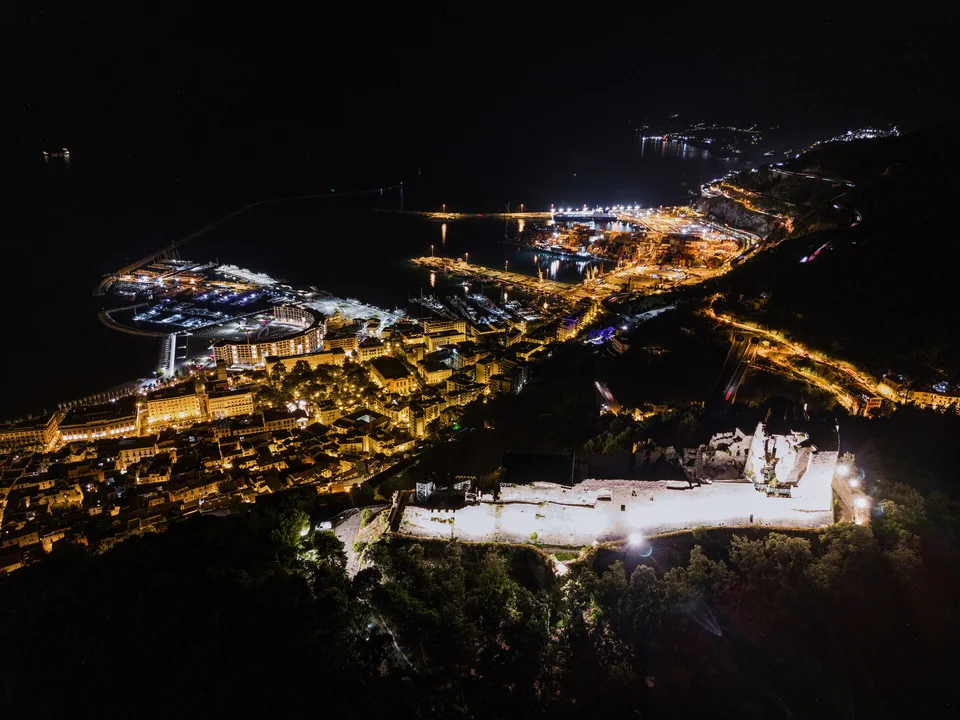
In the cold months Salerno dresses in light. The Luci d'Artista are light installations signed by contemporary artists, conceived as true artworks rather than simple Christmas decorations. Streets, squares and public spaces become their stage.
The beauty of it is that art steps outside its usual venues: you come across it while walking, looking up above a street or turning the corner of a garden. For many people in Salerno, the evening stroll among the lights has become a family ritual, to be enjoyed slowly and without a precise destination.
Dates, route and artworks change over time: before you leave, check the official channels of the Comune di Salerno.
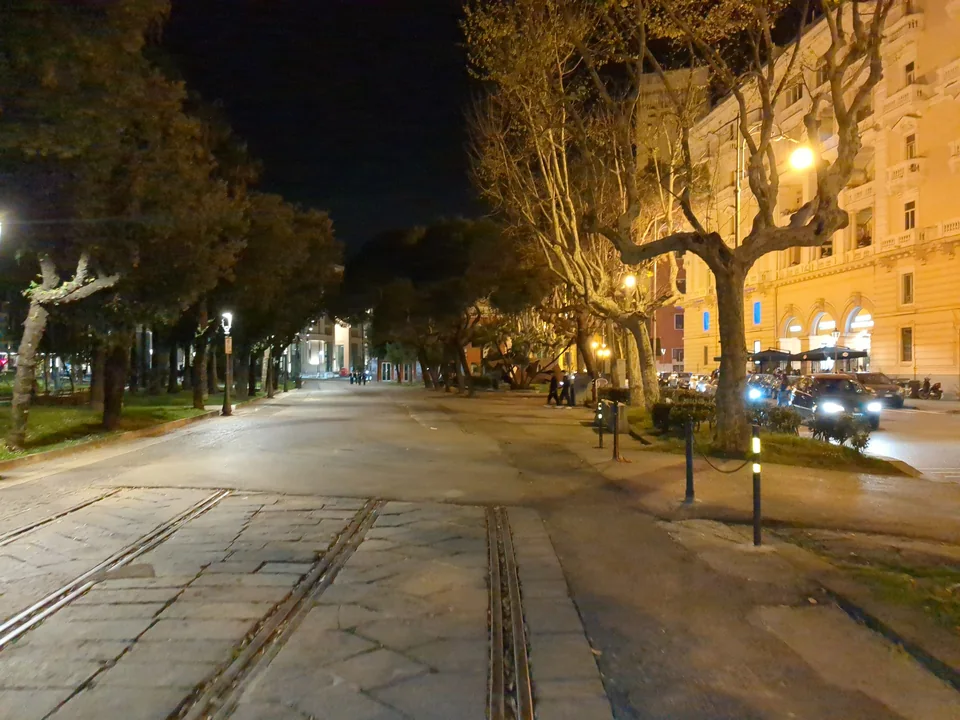
How to enjoy the walk among the lights
The best time is late dusk, when the sky turns blue and the installations stand out most strongly. Bring comfortable shoes and something warm: the sea wind makes itself felt in winter.
A route on foot
- Start from the historic centre, where the narrow streets form an intimate frame for the artworks.
- Head down towards the Lungomare Trieste, a wide space that lends itself to a slow walk.
- Treat yourself to a stop in a pastry shop or a café: it is part of the experience.
If you can, choose a weekday: the streets are less crowded and the artworks are easier to appreciate.
San Matteo: the patron saint and his feast
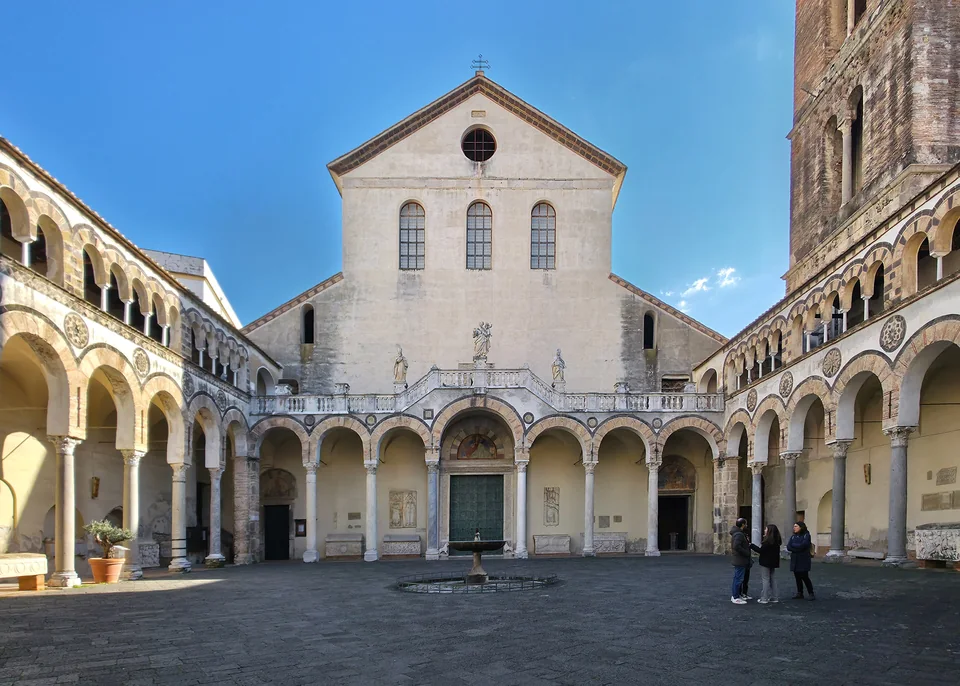
The devotional heart of Salerno is the apostle and evangelist Matthew, whose relics rest in the crypt of the Duomo, built in the 11th century. The patron saint's feast falls on 21 September and is the most deeply felt occasion for the community.
In those days the city gathers around the Duomo, while the statue of the saint travels through the historic centre in procession, accompanied by the faithful and townspeople. Those who visit Salerno at this time find a different atmosphere: more popular, more communal, less postcard-like.
The programme and route of the procession may vary from year to year, so it is best to check the official sources of the diocese and the Comune.
Medical memory: a tradition that heals
Among Salerno's most distinctive legacies is the Scuola Medica Salernitana, a medieval institution famous throughout Europe. Its spirit survives in an almost domestic way: in the attention to herbs, natural remedies, and the balance between diet and well-being.
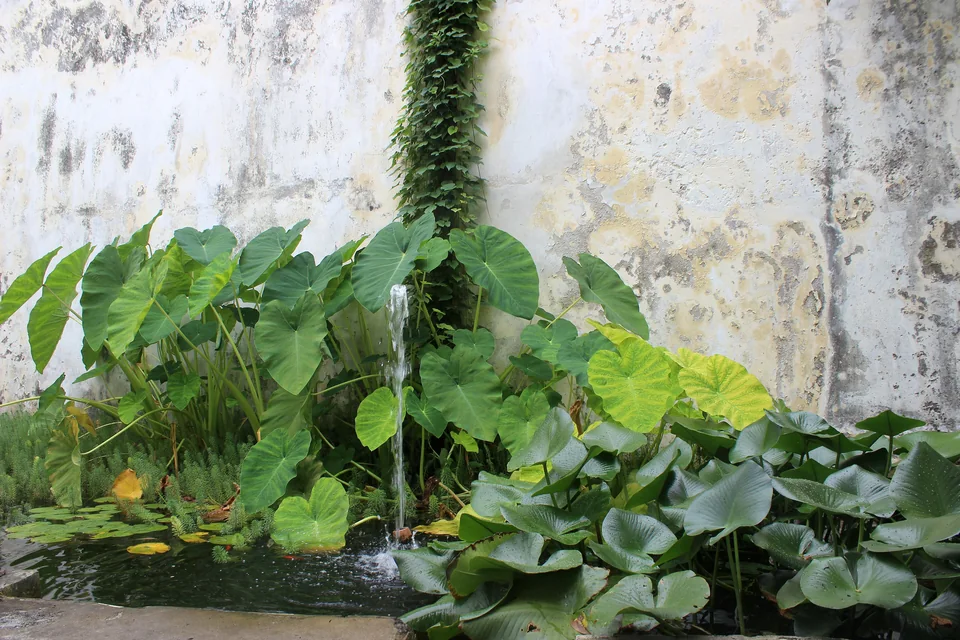
The Giardino della Minerva, a medieval botanical garden, is the place where this tradition can be read most clearly. Another article in our series already tells its story; here it is worth recalling how this culture of care has shaped the city's identity, well beyond the history books.
Flavours and gestures of the Salerno table
Traditions also pass through the kitchen. Salerno shares with the Coast a love for local products: the catch of the day, citrus fruits, seasonal vegetables and sweets linked to festivities. In winter, during the lights period, tables fill with the typical Christmas sweets of Campania.
A practical tip: don't look for the "showcase" dish, but let yourself be guided by the season and by the advice of those who live in the city. It is the surest way to taste something authentic.
When to go and how to plan
For the lights, winter is the right season; for the patron saint's feast, September. In both cases the railway station makes Salerno easy to reach, and the centre is easily explored on foot.
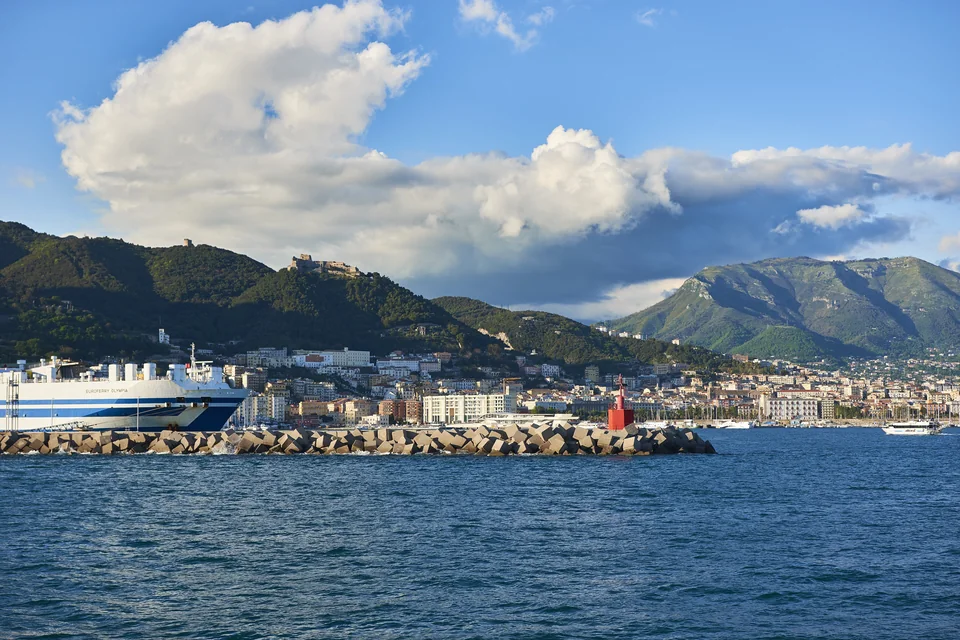
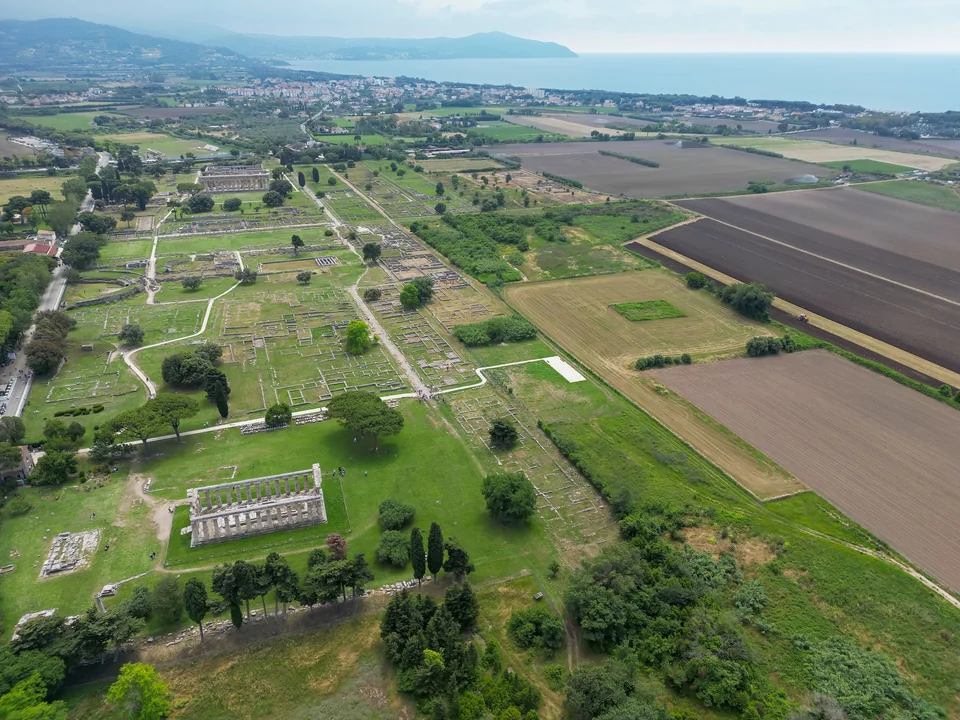
Ferries to Amalfi and Positano run in season from the port, but in the cold months sea connections may be reduced or suspended: always check schedules and conditions on the official websites of the operators and ticket offices. The same applies to any trips to Paestum, which should be planned unhurriedly.
Frequently asked questions
When do the Luci d'Artista take place in Salerno?
They are held in the winter season, generally around the Christmas period. Dates and route may change from one edition to the next, so check the official channels of the Comune di Salerno.
When is San Matteo celebrated in Salerno?
The patron saint's feast falls on 21 September. The programme of celebrations and the procession may vary: check the official sources of the diocese and the Comune.
Can you visit Salerno in winter, also for the Coast?
Yes, the city is enjoyable all year round. Keep in mind, however, that sea transport and some seasonal services may be reduced: always check up-to-date information before you leave.
Sources and useful links
Times, prices and services can change: always check with the official sources before you travel.
Updated: 2026-11-02