A six-hundred-metre drop
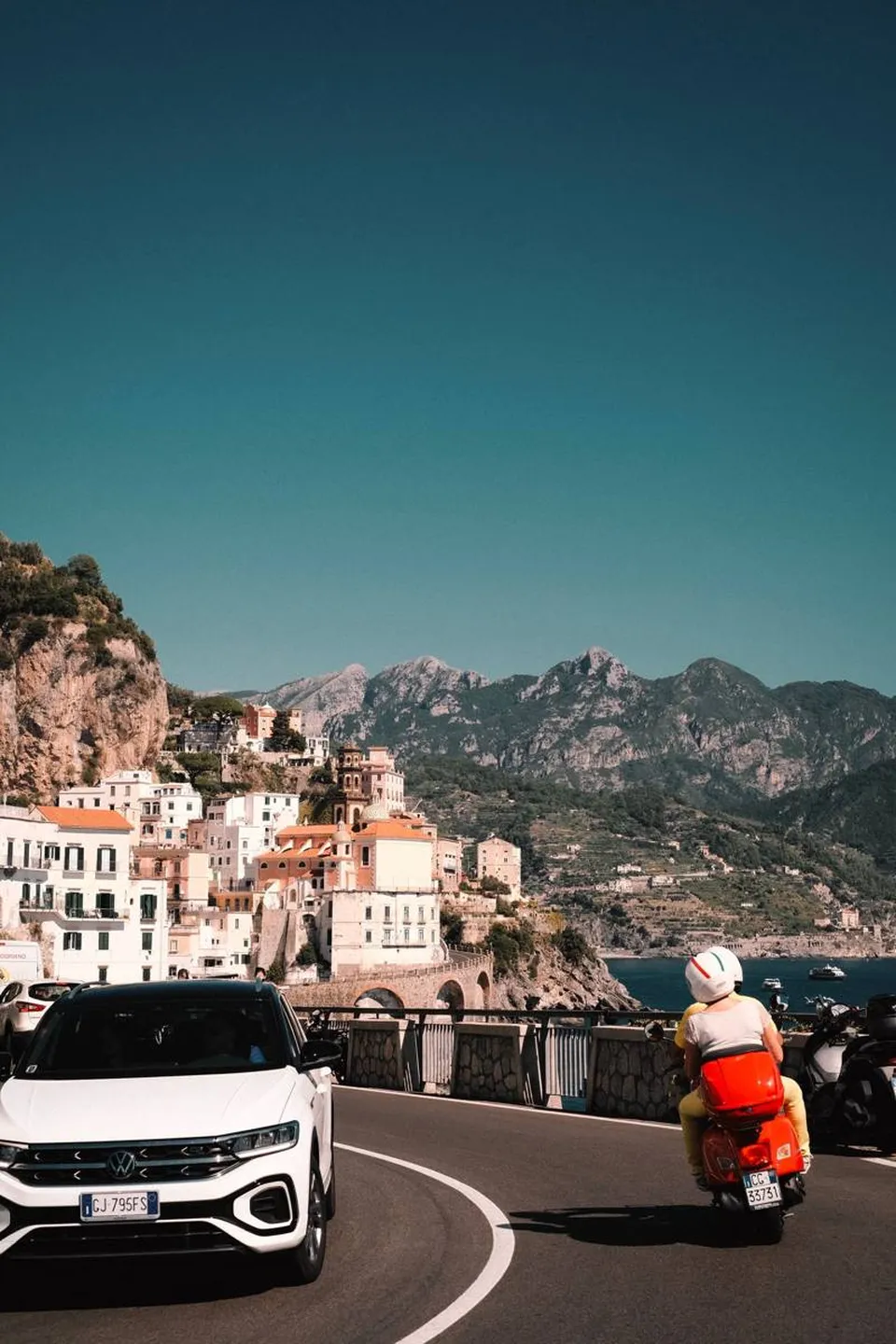
Agerola is a plateau of pastures, woods and scattered hamlets. Furore and Conca dei Marini, by contrast, look out over the sea below, along the Amalfi State Road. The change in elevation is striking and the landscape shifts with every bend: meadows give way to terraces, rock walls and lemon groves, and the air becomes milder.
For this reason, the two towns work well as an extension of a visit to Agerola. You can go down in the morning, enjoy the coast and head back up in the afternoon, or do the reverse.
Furore, the town that cannot be seen
Furore is known as the «town that isn’t there»: it has no true compact centre, but houses and clusters scattered along the slope, among steps, kitchen gardens and vineyards. Its charm lies precisely in this dispersion, which you discover on foot.
A distinctive feature is the wall art decorating the town’s walls and corners, the result of artistic initiatives that began in the last decades of the twentieth century. Furore is also linked to viticulture: the terraced vineyards are part of the landscape and its name appears among the subzones of the Costa d'Amalfi denomination.
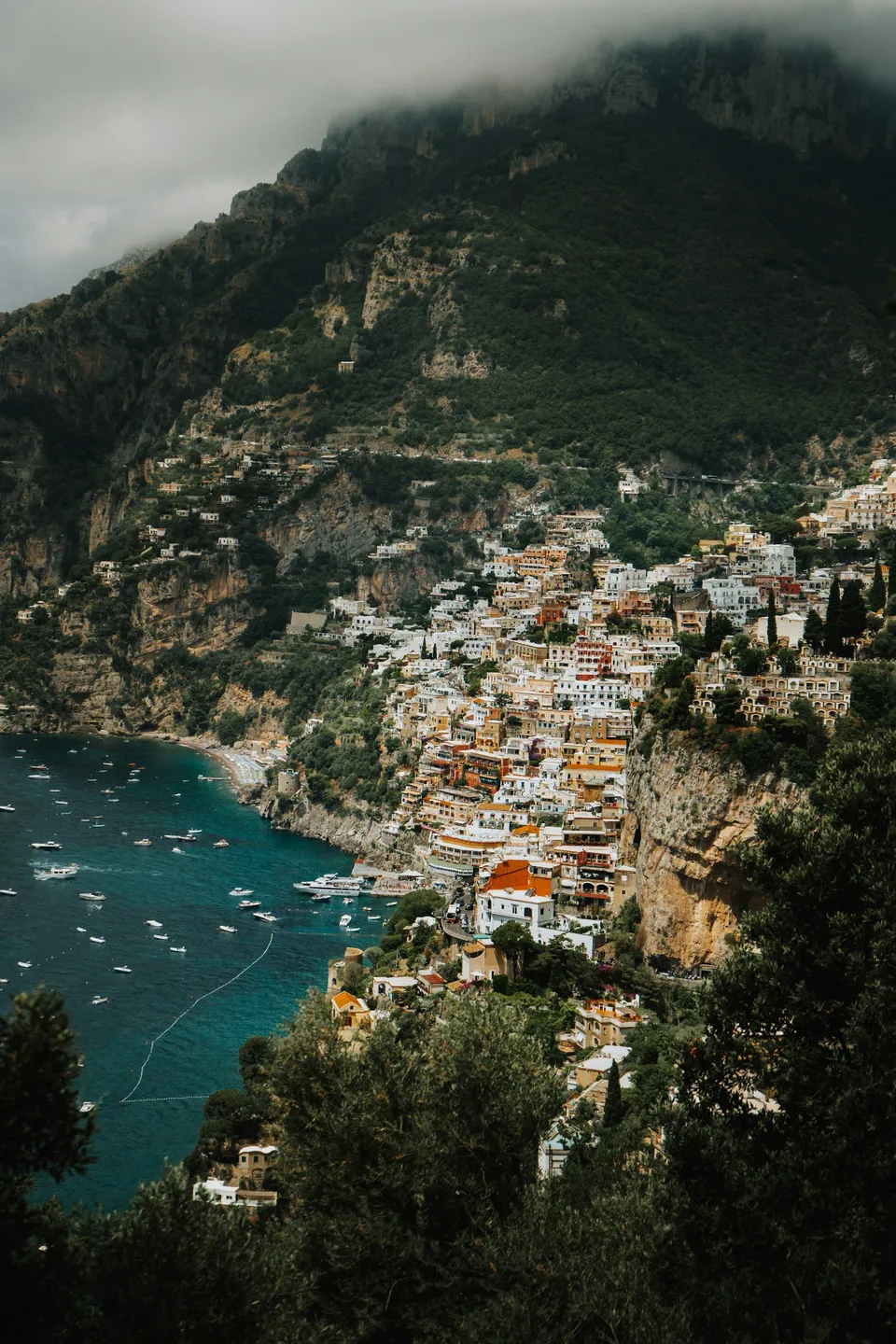
The Fiordo di Furore
This is the most photographed place in the area. A deep gorge, carved by the stream between two very high rock faces, opens onto the sea in a small inlet with a short pebble beach. Above, the bridge of the Amalfi State Road cuts across the sky.
At the bottom there are still traces of old activities linked to the stream’s water. You go down on foot by a staircase from the road; the climb back up requires a bit of breath and suitable shoes. Before you go, check access conditions and sea conditions on the Comune’s channels, because after rough seas the passage may be limited.
Conca dei Marini between tower and sfogliatella
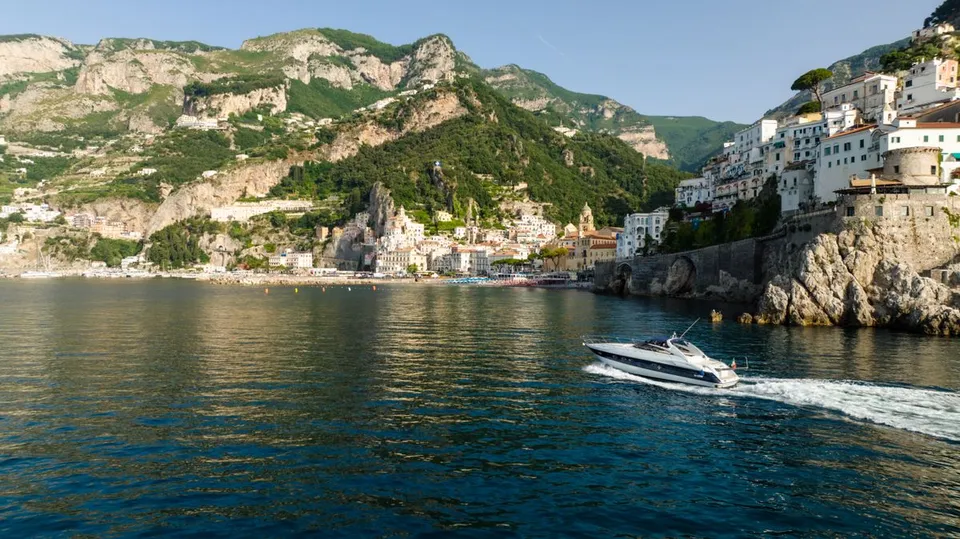
Just beyond Furore, Conca dei Marini has a compact, maritime character. Marina di Conca is a small bay dominated by a lookout tower, part of the defensive system built along the coast against sea incursions.
It is also the town linked to the birth of the sfogliatella: tradition traces it back to the monastery of Santa Rosa, and the pastry is now widespread far beyond the Amalfi Coast. Wandering through the alleys and feeling yourself away from the busiest flow of tourism is one of the pleasures of this village.
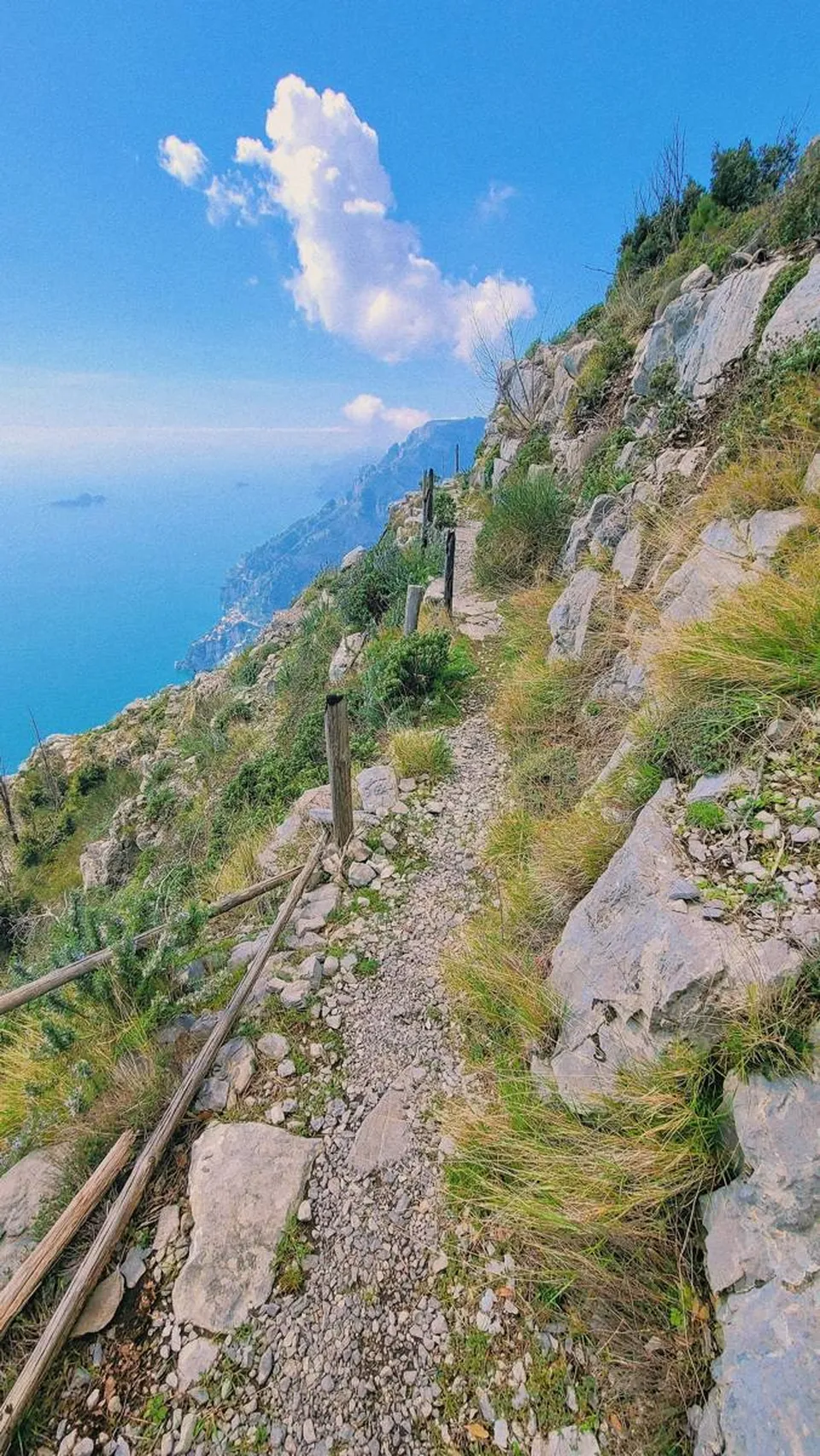
The Grotta dello Smeraldo
Along the coast of Conca opens the Grotta dello Smeraldo, a sea cave known for the green colour of the water, due to the light filtering in from below, and for the limestone formations reflected on the surface.
It is reached from the road, with an elevator that takes you down to sea level, or by sea with boats from Amalfi. Visits depend on weather and sea conditions and on the site’s management: always check openings and access methods on official sources.
How to go down from Agerola
The roads between the plateau and the coast are winding, so it is best not to be in a hurry. You have three main options:
- Bus: Agerola is connected with Amalfi and Castellammare di Stabia, and from the coast local buses serve Furore and Conca dei Marini. Check routes and frequencies on the operators’ websites, because they vary according to the season.
- On foot: there are ancient mule tracks and stairways connecting the plateau to the coast. Before setting out, consult updated maps and the trail directions from local authorities or the CAI.
- By car: possible, but parking on the coast is limited and the Amalfi State Road can be congested during peak periods.
When to go and what to bring
Spring and early autumn offer clear light, pleasant temperatures and less traffic. In summer the coast is warmer than the plateau, so Agerola becomes a good refuge for the central hours of the day.
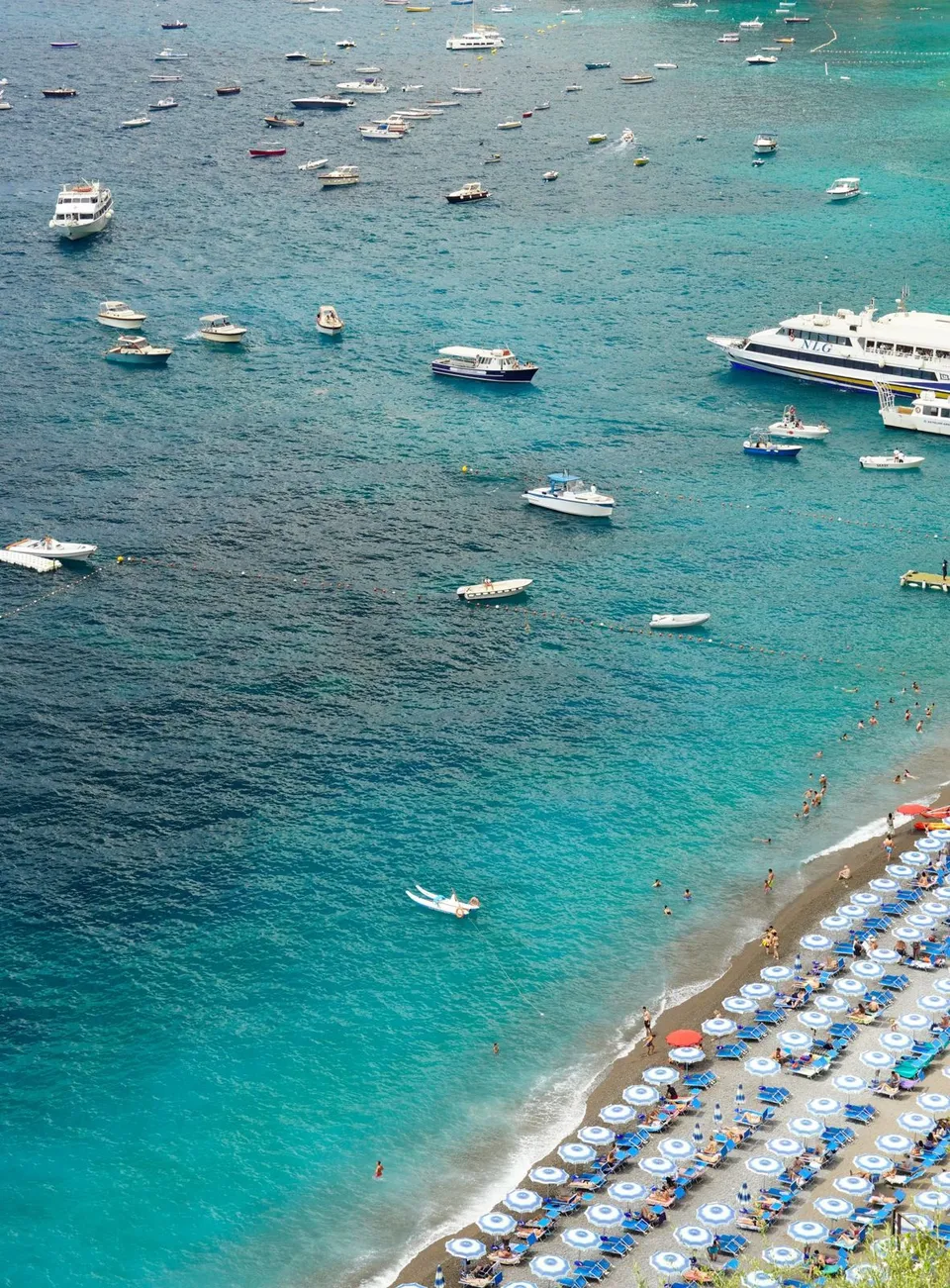
For a day between mountains and sea, bring shoes with good soles, water, a hat and a light change of clothes: with stairs and changes in elevation, you sweat quickly. If you plan to swim at the fjord, remember that the beach is small and pebbly.
Frequently asked questions
Can you walk down from Agerola to Furore?
Yes, there are ancient pedestrian links between the plateau and the coast, but the elevation change is significant. Before setting out, check updated maps and the state of the trails with official sources.
Is the Fiordo di Furore always accessible?
Not always: access and bathing depend on sea conditions and the state of the staircase. Check the information on the Comune’s channels before visiting.
How much time do you need to see Furore and Conca dei Marini?
A half-day is enough for an essential visit, while a full day lets you add the fjord, walks and the Grotta dello Smeraldo without rushing.
Sources and useful links
Times, prices and services can change: always check with the official sources before you travel.
Updated: 2026-10-26