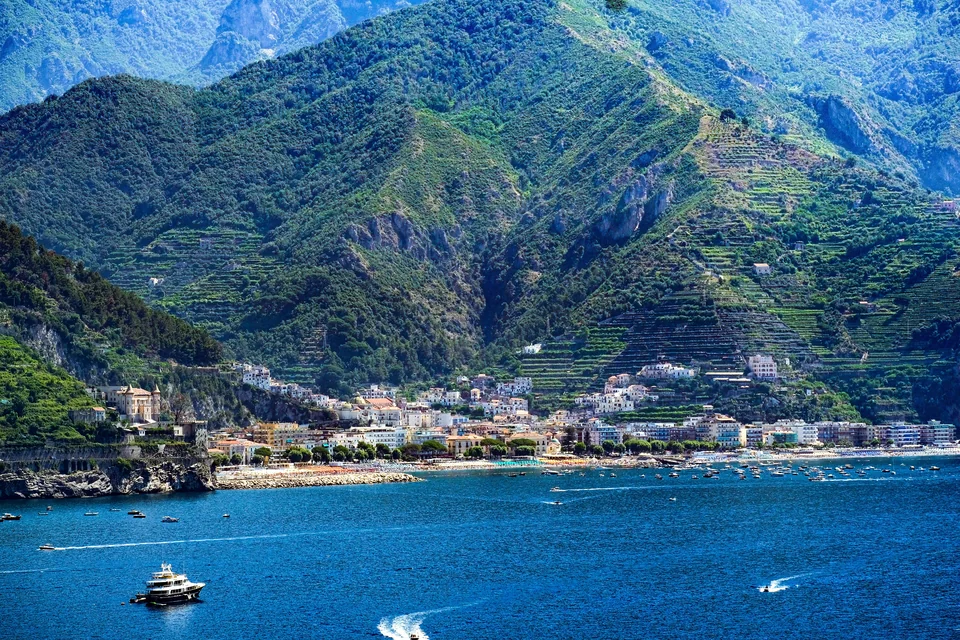
A Roman villa in the heart of town
Anyone expecting an isolated archaeological site, on a hilltop or out in the countryside, will be surprised. The Roman Villa of Minori stands in the town centre, woven into the fabric of the village. In just a few steps you move from today's everyday life to a residence built almost two thousand years ago.
It is precisely this closeness that makes it special. Visiting does not require a dedicated excursion, and it can easily be fitted into a stroll through the streets of the town.
What is a maritime villa?
The expression "maritime villa" refers to the residences the Romans built along the coast, designed for rest, social life and the pleasure of a view over the sea. They were stately homes, often carefully decorated, in which reception spaces mattered as much as service areas.
The Gulf of Salerno and the coasts of Campania were a favoured location for this type of residence. The one in Minori, datable to the 1st century AD, belongs to this tradition and is a concrete testimony to it on the Amalfi Coast.
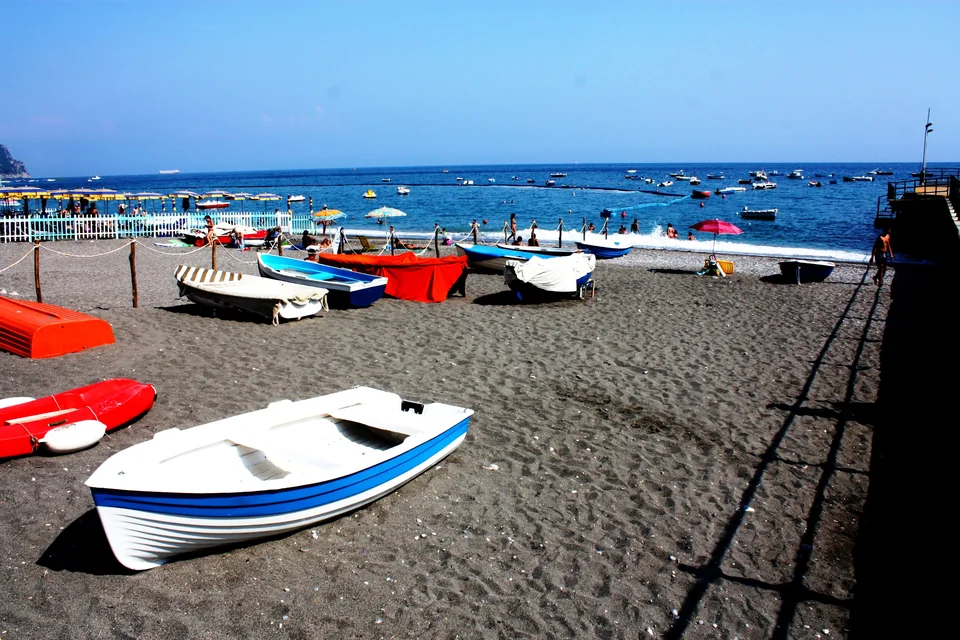
What remains today: structures and frescoes
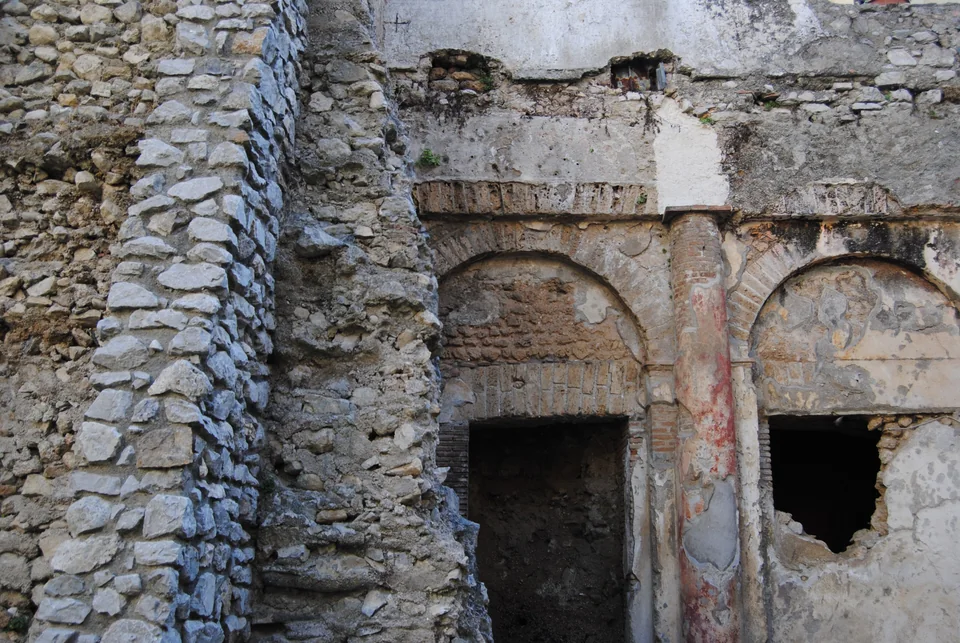
Of the building, walls and rooms are visible that allow you to grasp its layout. In villas of this type the spaces are normally arranged around an open central area, with living and reception rooms distinct from the service areas. As you walk among the remains, it is worth looking for exactly this logic: routes, thresholds, larger rooms and more intimate ones.
Among the most precious elements are the remains of frescoes. They are fragments, not intact decorations, but they are enough to convey the taste of those who lived in the villa. Colour on the walls was an essential part of Roman architecture and made interiors welcoming and prestigious.
The antiquarium: where objects tell the story
Next to the remains of the villa there is an antiquarium, a small museum that preserves materials from the site. It serves a valuable purpose: the ruins show the space, while the objects tell what happened inside it.
It is the right place to understand how an ancient residence is reconstructed from what has survived. Before heading out onto the site, it is worth giving it the time it needs and, if panels and captions are available, reading them calmly.
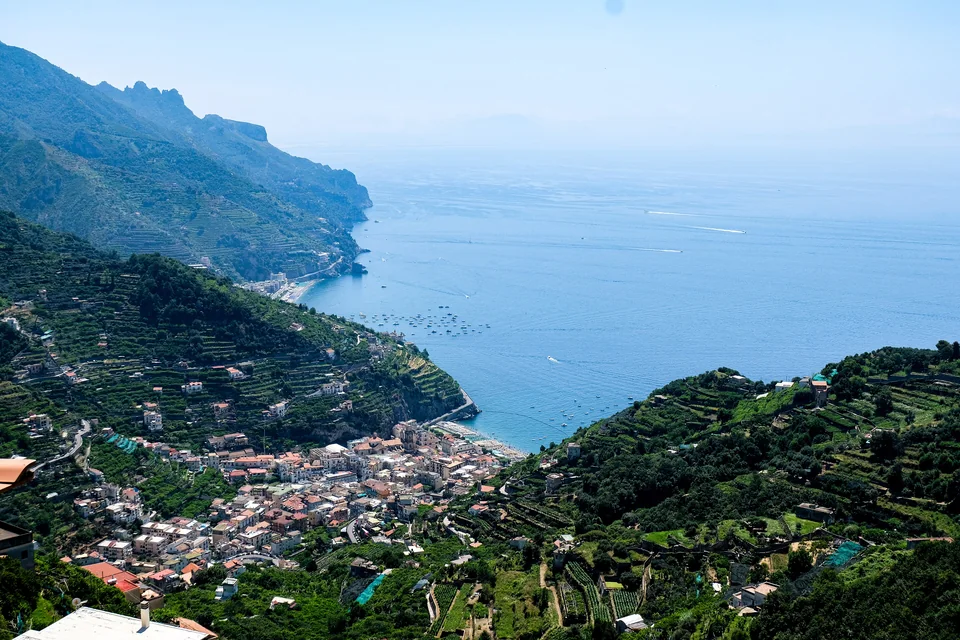
How to read the ruins during your visit
An archaeological site is appreciated more if you have a small method of observation. Here are a few useful tips:
Look for differences
Try to tell apart the more refined rooms, with traces of decoration, from the simpler ones. They often indicate different functions: reception, living, service.
Imagine the sea
The relationship between the villa and the coast was different from today's, because the landscape has changed over the centuries. Try to imagine the building open toward the water, like every maritime villa.
Look at the details
- the wall surfaces and building techniques
- the fragments of painted plaster
- the thresholds and passages between one room and another
Minori in Roman times
The villa is a reminder that this stretch of coast was frequented and inhabited as early as Roman times, long before the era in which Amalfi became a leading player in the Mediterranean. Minori, a small town between Amalfi and Maiori, thus preserves a memory older than its intimate appearance would suggest.
Seeing the villa as part of a longer history helps you read the town with greater depth, well beyond its shops and its alleys.
Before you go: useful checks
Opening days and times, access arrangements and the availability of the antiquarium may change over the year. Before organizing your visit, it is a good idea to consult official sources, such as the website of the Municipality of Minori or the bodies responsible for the protection and management of the site.
The best time is when you can walk without rushing: in the hottest hours the open-air remains are less pleasant to observe. Comfortable shoes and a bit of curiosity are all you need.
Frequently asked questions
What period is the Roman Villa of Minori from?
It is a Roman maritime villa from the 1st century AD, a stately residence built along the coast, of which wall structures and fragments of frescoes remain.
Where is the villa and what can you see?
It is in the town centre. Besides the remains of the building, with traces of frescoes, there is an antiquarium that preserves materials from the site.
How do I check the visiting hours?
Hours and access arrangements may vary, so it is best to consult official sources, such as the Municipality of Minori or the bodies responsible for the site, before planning your visit.
Sources and useful links
Times, prices and services can change: always check with the official sources before you travel.
Updated: 2026-11-02