A saint who arrived by sea
Tradition tells of a young martyr from Patti, in Sicily, whose relics are said to have been brought to the Amalfi Coast in the 9th century. As often happens with stories of devotion, the details intertwine with popular memory, but the core of the tale is firm and has been handed down for centuries.
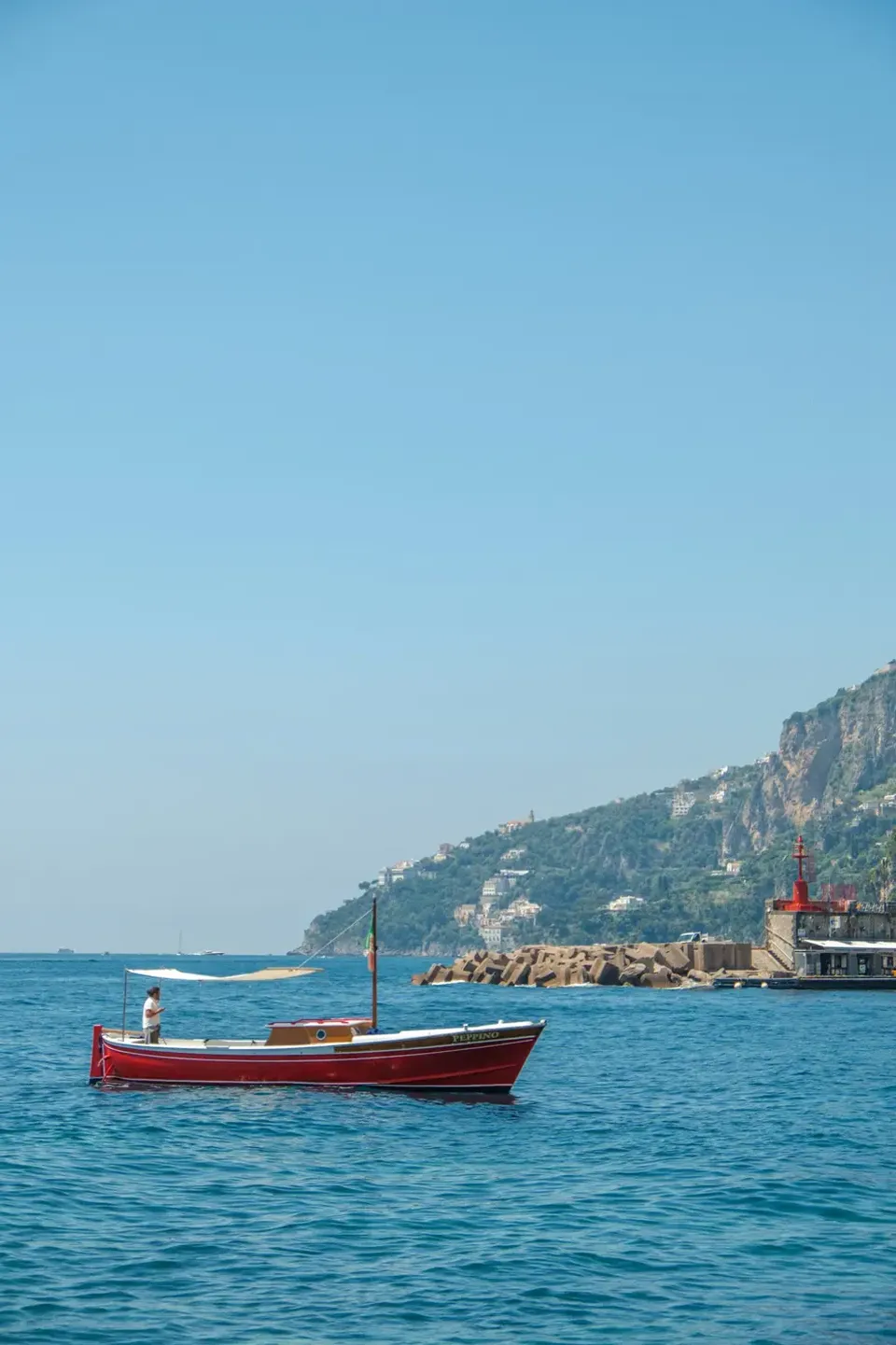
It is a bond that makes sense in a town born on the sea: Trofimena arrives by water and becomes the patron saint of those who have always received work, trade, and news from the sea.
The basilica in the heart of Minori
The Basilica of Santa Trofimena stands in the center of town and is the reference point for every solemn occasion. You can tell even just by looking at the square: the staircase in front of the church works as a natural backdrop, a meeting place, and a balcony over everyday life.
Once inside, it is worth slowing down. Rather than looking for a single masterpiece, it is better to let yourself be guided by the light, the marble, and the silence, which explain well the role of this building for the community.
The crypt and the relics
The spiritual heart of the basilica is the crypt, where the saint’s relics are kept. This is where devotion becomes more intimate, and where many people from Minori, even when far from town, return to linger whenever the opportunity arises.
If the visit is allowed, remember that this is an active place of worship: speak softly, dress modestly, and be attentive to any services in progress.
The patronal feast
The feast of Santa Trofimena falls in summer, at the beginning of July, and it is the moment when the town comes together. The focus is the religious dimension, with celebrations in the basilica and the procession that carries the image of the saint through the streets, but the whole community is involved: confraternities, families, children, and people who return for the occasion.
The schedule, times, and routes vary from year to year: before planning a trip around the feast, check the announcements from the parish and the municipality.
A devotion with deep roots
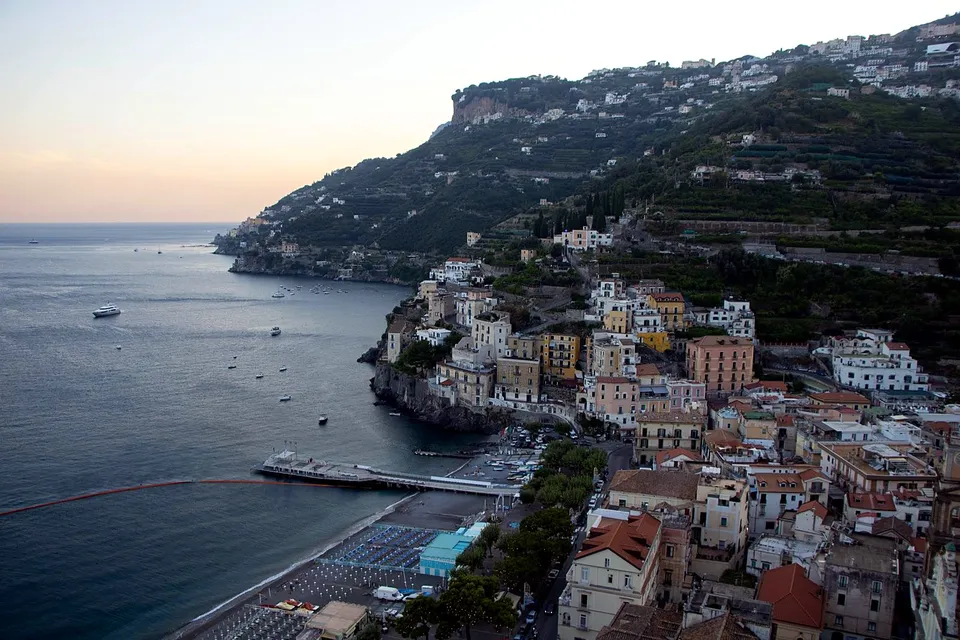
Minori was part of the Maritime Republic of Amalfi and in the past was the seat of a diocese. This past explains the presence of such an important basilica in a town so small: faith here was also a civic fact, a sign of identity.
A curious dialogue emerges with the seaside Roman Villa from the 1st century AD, just a short walk away: two distant eras, both witnesses to how this stretch of coast has been inhabited and lived in continuously.
Table and calendar: the town in celebration
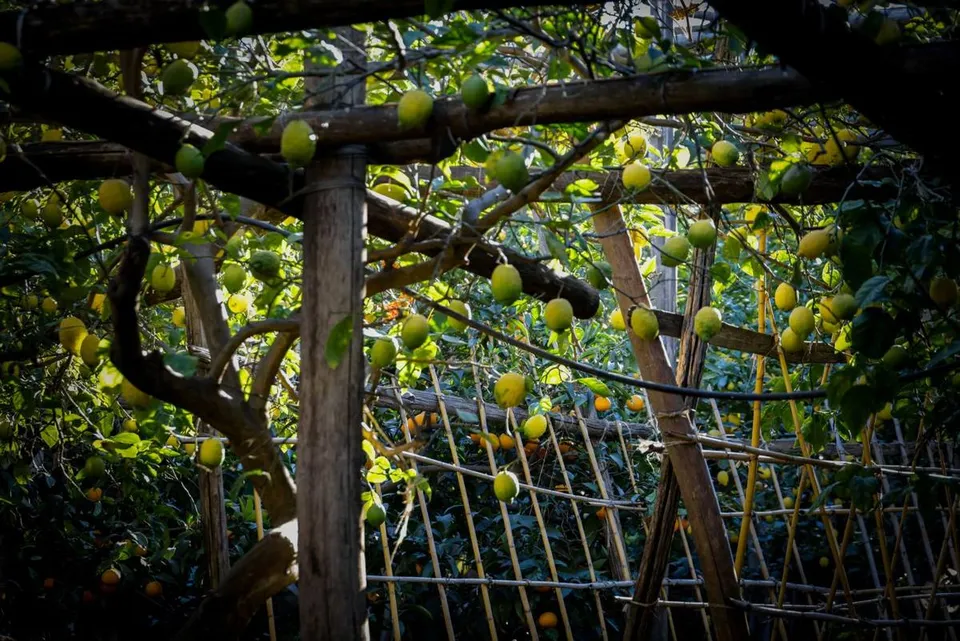
On feast days and commemorations, the table remains a shared language. Minori has a strong pastry-making tradition and a close connection to lemons, and 'ndunderi, ancient ricotta gnocchi, speak of home cooking prepared for important occasions.
Without turning the feast into a showcase, it is a good way to understand how the sacred and the everyday touch: devotion also passes through gestures, recipes, and the pleasure of being together.
How to experience the traditions respectfully
Approaching these traditions only requires a bit of discretion.
- Find out in advance about celebrations and basilica opening hours by checking the official parish and municipal sources.
- During services and the procession, stay at the edges and do not obstruct the passage.
- Always ask before photographing inside the church or crypt.
- Arrive on foot or by public transport: on feast days, roads may be closed to traffic. Check SITA buses and seasonal ferry services on official channels.
A slow walk between the square, the basilica, and the alleyways is often the best way to grasp the spirit of the town.
Frequently asked questions
Who is Santa Trofimena?
She is the patron saint of Minori. According to tradition, she was a young martyr from Patti, in Sicily, whose relics reached the Amalfi Coast in the 9th century and are now kept in the basilica dedicated to her.
When does the patronal feast take place?
It is held in summer, at the beginning of July. Dates, times, and the detailed program may change: it is best to consult the parish or the municipality of Minori.
Can the basilica be visited all year round?
As it is a place of worship, access depends on celebrations and local rules. Check opening hours through official sources and dress appropriately.
Sources and useful links
Times, prices and services can change: always check with the official sources before you travel.
Updated: 2026-10-26