An abbey far from the seafront
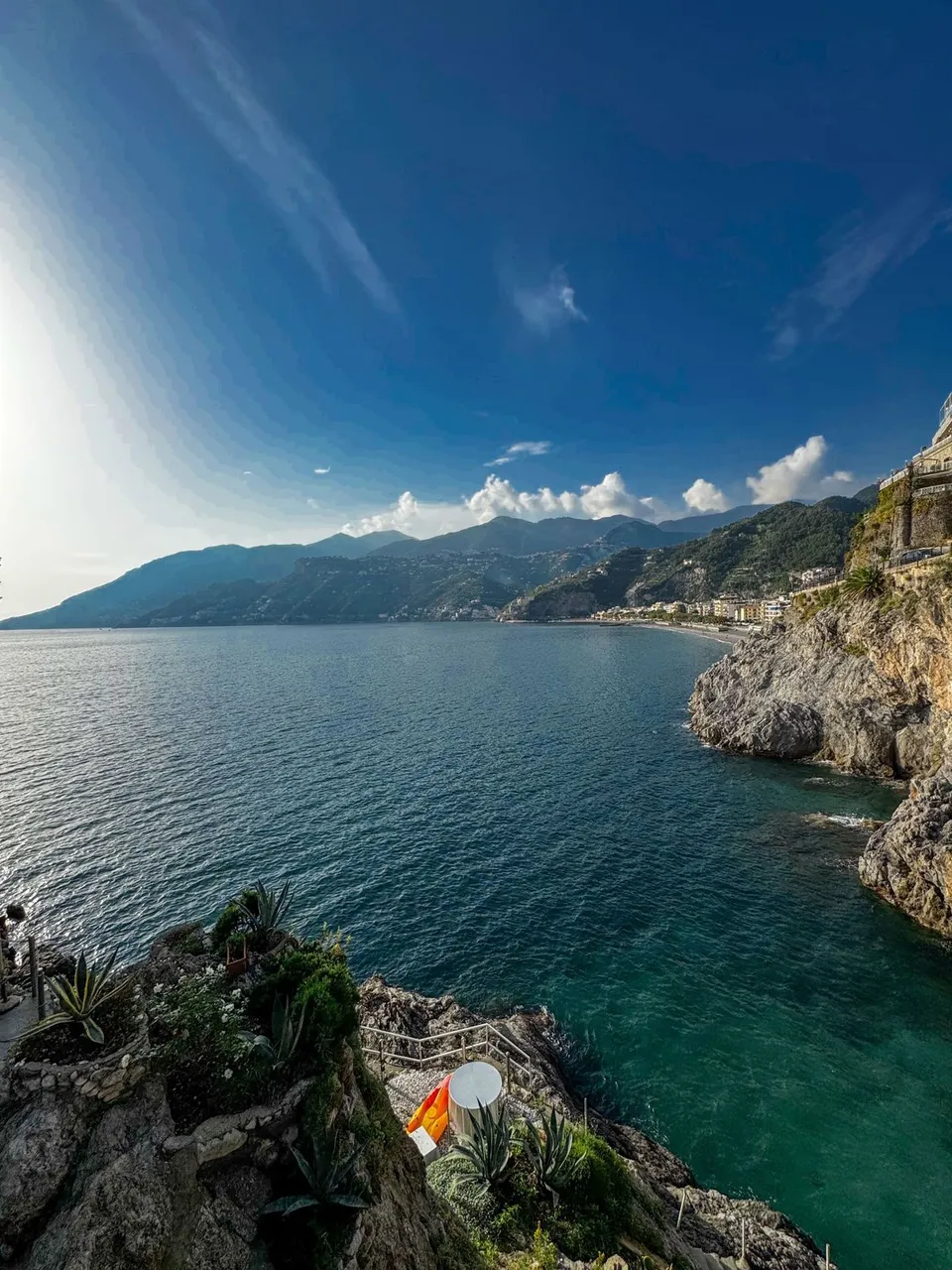
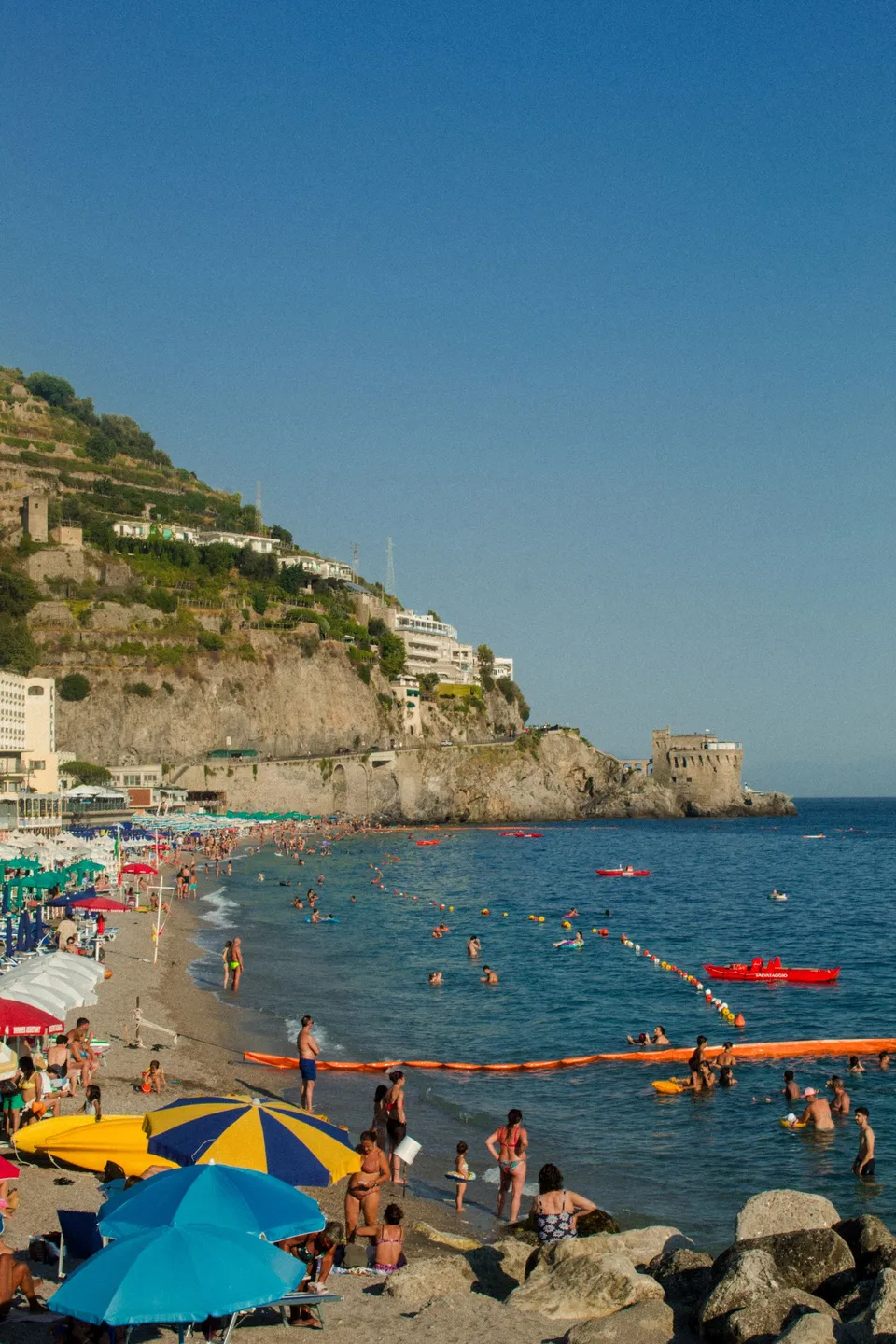
Those who know Maiori for its beach, the longest in the Coast, are often surprised by the change of scenery. Along the road that climbs toward Erchie, the noise of the center fades and the landscape becomes more enclosed, marked by terraces and vegetation.
This is where the abbey of Santa Maria de Olearia stands, a place of worship born far from the traffic of the coast. It gathers a long religious history of the area and preserves medieval frescoes, among the most precious artistic testimonies in the surroundings.
The name and monastic origins
Santa Maria de Olearia began as a monastic reality of Benedictine tradition, at a time, around the year 1000, when monasteries were at once centers of prayer, agricultural work, and culture. In a land of steep slopes, the community had to know how to make use of what the land offered.
Much has been discussed about the meaning of "Olearia." A widespread reading links it to oil and olive trees, but it is best to treat this as a hypothesis: it is a good example of how place names preserve clues without always revealing everything.
The frescoes: what to look for
The medieval frescoes are the main reason it is worth coming this far. They should not be sought with the eye of someone visiting a large museum: they are works tied to an intimate setting, where light, walls, and silence are part of the experience.
How to look at them
- Give yourself time: details emerge slowly, as the eye grows used to the dim light.
- Observe the relationship between the paintings and the space that houses them.
- Remember that they are fragile surfaces: no flash and no touching the walls.
Maiori, the "Reginna Maior"
To place the abbey in its context, one must look at the broader history of the town. The name Maiori comes from the ancient Latin name Reginna Maior, which distinguished it from nearby Minori, the Reginna Minor.
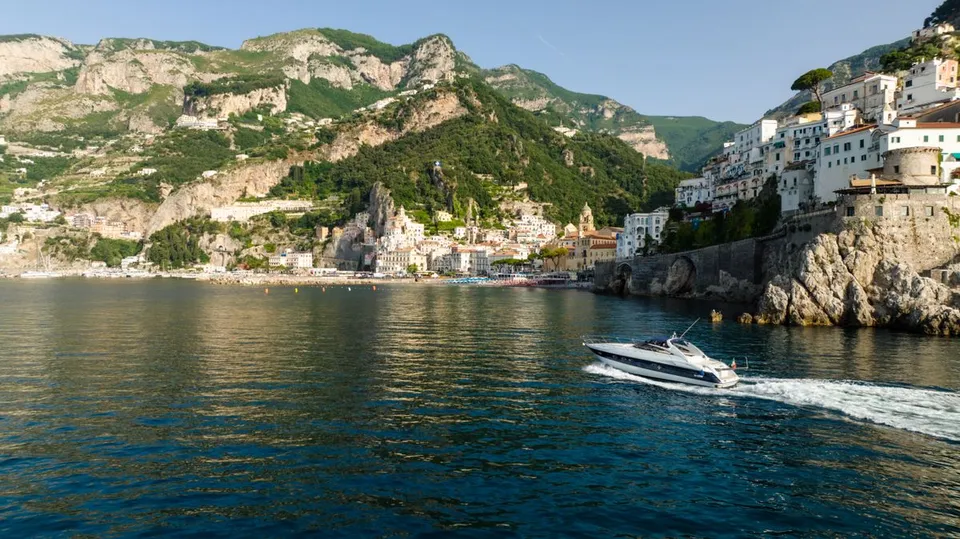
In medieval times Maiori was part of the orbit of the Republic of Amalfi, the maritime power that dominated this stretch of coast. Its territory, with a wider plain than other towns on the Coast, played an important role in the life of the duchy.
Defenses and outposts: the castle and the tower
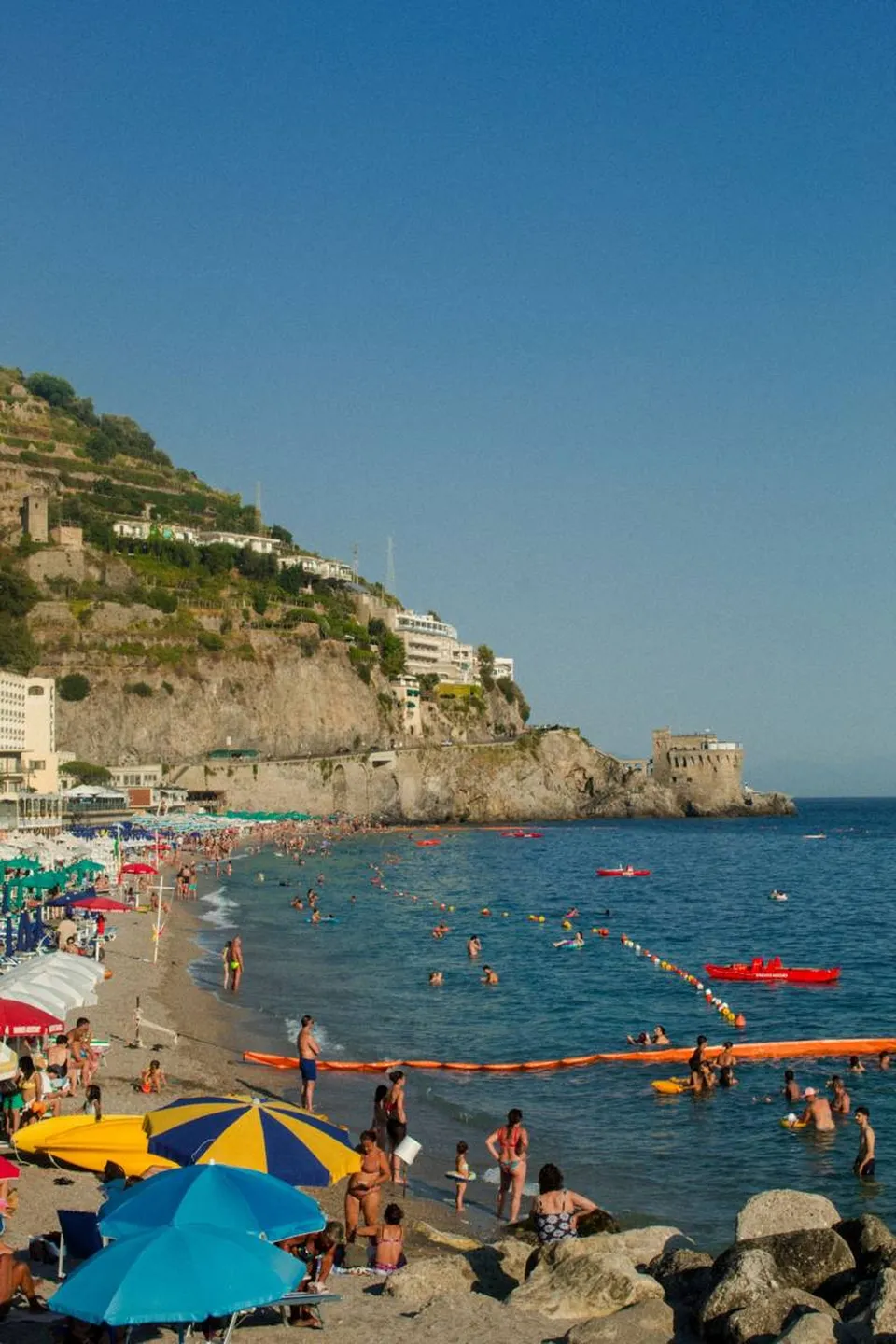
A wealthy coast was also a coast to be protected. On the hill stands the Castle of San Nicola de Thoro-Plano, whose commanding position tells the logic of territorial surveillance. On the shore, Torre Normanna completes this picture of outposts linked to control of the sea and landings.
Placing the abbey and the fortifications side by side helps capture two souls of historic Maiori: the spiritual one, secluded inland, and the watchful one, turned toward the marine horizon.
From the monastery to the Collegiate Church
Signs of devotion are also evident in town. The Collegiate Church of Santa Maria a Mare, in a raised position above the center, dominates the built-up area and has for centuries been a visual and communal reference point.
Between the abbey inland and the Collegiate Church overlooking the town, one can read a single history of faith and belonging, expressed in different ways: one in the seclusion of the countryside, the other in the heart of city life.
Visit with care
As this is a historic and delicate place, before leaving check official sources and local institutions for access conditions, any openings, and visiting arrangements, which may change during the year.
The road to Erchie is the natural continuation of the visit: choose comfortable shoes and modest clothing, and allow yourself an unhurried stop. It is a place best appreciated without haste.
Frequently asked questions
Where is the abbey of Santa Maria de Olearia located?
It is located in the territory of Maiori, along the road that leads toward the hamlet of Erchie. For access and visiting arrangements, it is advisable to check official sources.
What can be seen at Santa Maria de Olearia?
The abbey is best known for its medieval frescoes, which tell the religious and artistic history of the area around Maiori.
Where does the name Maiori come from?
It comes from the ancient Latin name Reginna Maior, used to distinguish it from nearby Minori, called Reginna Minor.
Sources and useful links
Times, prices and services can change: always check with the official sources before you travel.
Updated: 2026-10-26